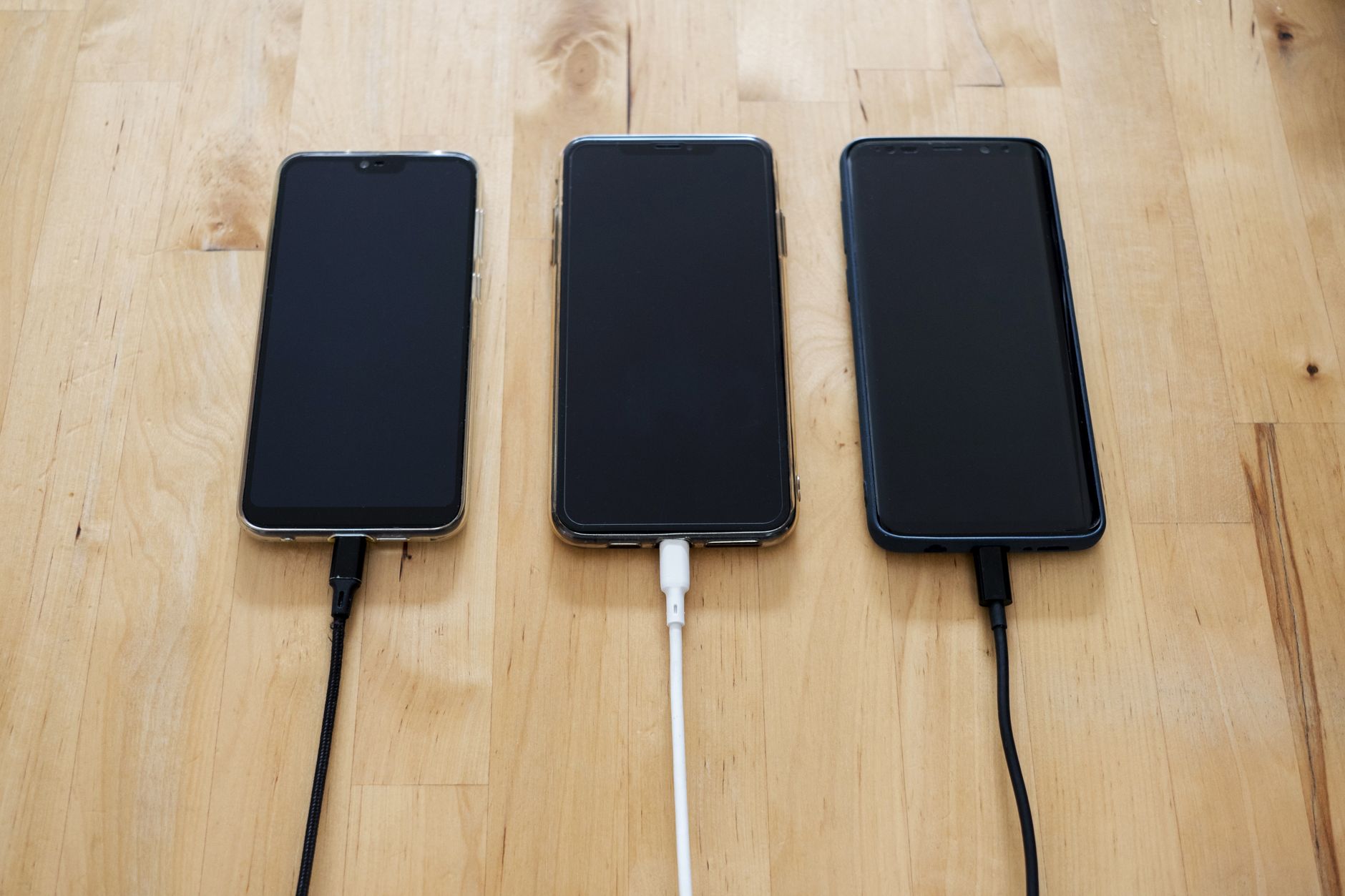
Somewhere in a drawer, you have four or five USB-C cables that look identical and behave completely differently. One charges your laptop at full speed. One tops out at 60W and you’ll never know why. One technically transfers data but only at USB 2.0 speeds - the same as a cable from 2001. None of them are labeled in any way that would tell you which is which.
This is still happening in 2026. After years of USB-C being positioned as the universal connector that would end the cable chaos, the chaos persists - it just moved inside the connector housing where you can’t see it.
The core problem is that USB-C is a physical standard, not a performance standard. The port shape and pin layout are defined, but the capabilities layered on top - USB4, Thunderbolt 4, 240W Extended Power Range charging via USB PD 3.1, DisplayPort Alt Mode - are all optional. A cable manufacturer can produce a USB-C cable that charges a phone at 5W and call it fully compliant, because by the letter of the spec, it is. The connector fits. That’s the whole legal obligation.
Apple, to its credit, started printing the wattage rating directly on its cables. That single intervention - a small number on a white cable - is one of the most consumer-friendly things the company has done in hardware accessories. It doesn’t solve everything, but it solves the most common failure mode: buying a replacement and getting something slower without realizing it.
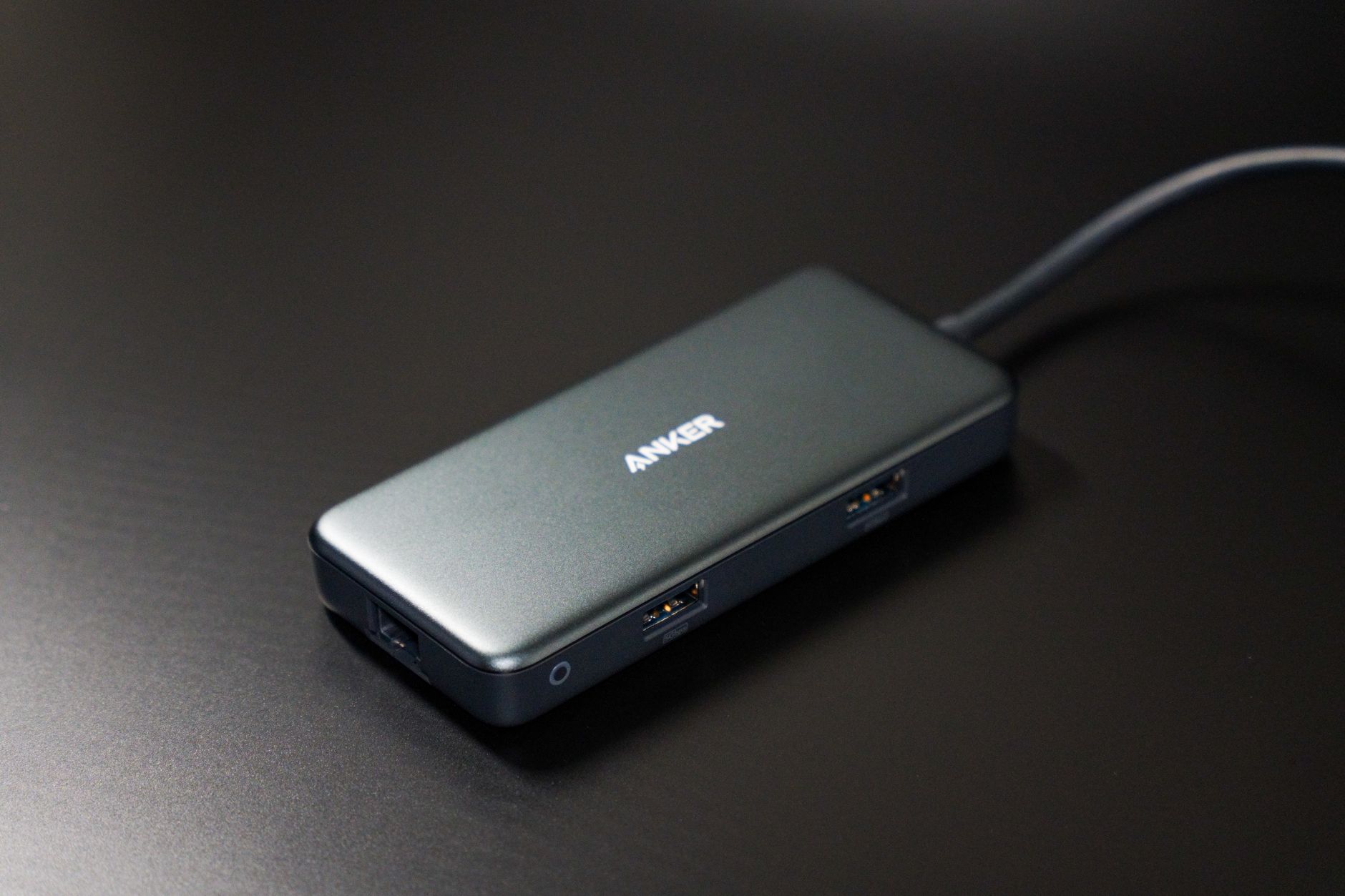
Everyone else is mostly still guessing. Anker, Belkin, and others publish specs on their product pages, but the information rarely makes it onto the cable itself, and once a cable ends up in a pile, provenance is lost.
The real cost isn’t measured in charging minutes. Laptops throttled because they’re drawing less power than they’re rated for. Docking stations that drop video output because the cable can’t sustain the bandwidth. External SSDs running slower than spinning disks because someone grabbed the wrong cable.
A cable certification mark - something the USB Implementers Forum has been iterating toward with its Certified USB logos - exists, but retail enforcement is weak and counterfeit-marked cables are real. Until the label is on every cable, in plain text, the drawer stays a lottery.