
Apple’s Force Touch trackpad arrived in 2015. It had no moving parts, used haptic feedback to simulate a click, and covered more surface area than anything shipping on a Windows machine at the time. Eleven years later, Windows laptops - including flagship models from Dell, Lenovo, and HP - are still shipping trackpads that feel like they came with a budget machine from 2019.
This isn’t a universal condemnation. The trackpad on the Dell XPS 13 has improved. Microsoft’s own Surface devices have always had above-average trackpads. But spend a week on a MacBook and then return to almost any Windows laptop under $1,500, and the difference is immediate and unpleasant. The surface texture feels cheaper. Palm rejection misfires. Scrolling has that faint stuttering quality that makes you reach for a mouse.
The hardware explanation only goes so far. Windows OEMs source trackpad components from different suppliers, and precision touchpad drivers - Microsoft’s own standard - theoretically close the gap. In practice, OEM customisation layers undo a lot of that work. Asus, for example, has shipped laptops where the bundled trackpad software actively conflicts with Windows precision touchpad settings, requiring manual registry edits to resolve. That’s not a hardware limitation. That’s a software decision someone made.
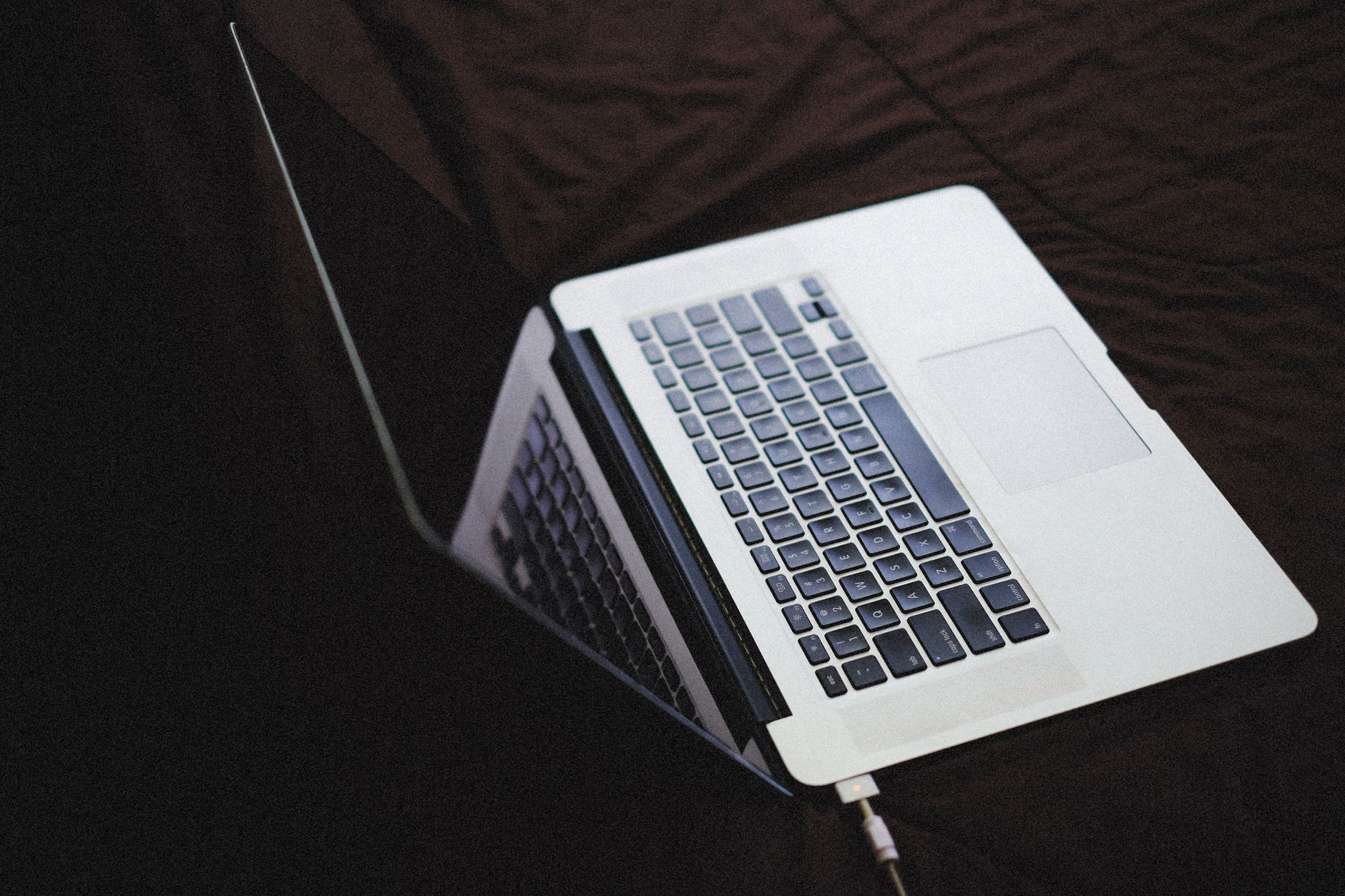
What makes this stranger is that the trackpad is the most physically intimate part of any laptop. You touch it constantly, more than the keyboard on many machines. It’s the interface between your hands and everything else. And yet it’s treated as a spec-sheet checkbox - listed in millimeters, never tested under the kind of extended use that reveals whether palm rejection actually works during a two-hour writing session.
There’s also the size problem. Windows ultrabooks routinely ship with trackpads that are noticeably smaller than the equivalent MacBook footprint, even when the chassis has room to spare. The reasoning, as far as anyone has publicly explained, seems to be manufacturing cost and component standardisation. Neither of those reasons matter to the person using the machine every day.
The hardware exists to do this better. The will to prioritise it, consistently, across a product line, apparently doesn’t.