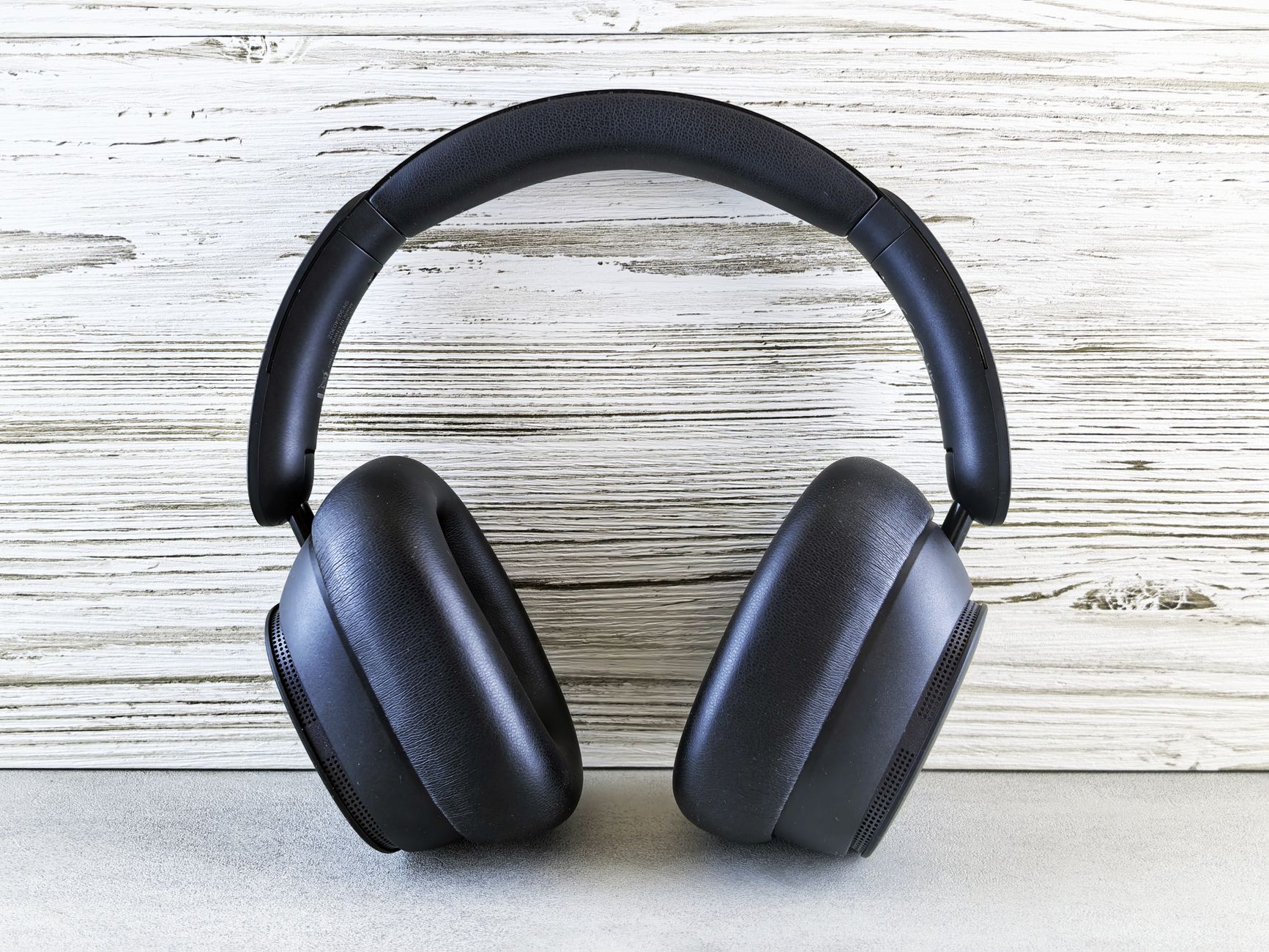
Sony released the WH-1000XM6 in May 2025, and since then, the over-ear ANC headphone category has felt strangely settled. Not stagnant - settled. The kind of settled where you stop looking at alternatives not because you’re lazy, but because the math genuinely stops working in their favour.
The XM6 tightened the headband geometry compared to the XM5, addressed the folding mechanism that frustrated a lot of long-term owners, and pushed noise cancellation performance further with a new processor and eight microphones handling feedback and feedforward simultaneously. Real-world low-frequency suppression - plane engines, HVAC, subway rumble - is measurably better than the XM5. That’s not a marginal improvement when you’re trying to focus on a six-hour flight.
Bose Still Exists, But the Argument Keeps Getting Harder
Bose’s QuietComfort Ultra has better noise cancellation in some frequency ranges, particularly in the low-mids, and its spatial audio implementation is genuinely different - not just a Sony feature renamed. For a certain kind of listener, the QC Ultra is still the right call. But it costs more, its build quality has never felt as solid under sustained daily use, and the companion app ecosystem is noticeably thinner. The QC Ultra earns respect. It doesn’t command the category.

Apple’s AirPods Max remain a genuinely strange product in 2026. They sound exceptional when you’re inside the Apple ecosystem, Adaptive Audio is still the most thoughtful transparency mode implementation on the market, and the aluminium cups have aged well. But USB-C arrived late, the case situation is still an embarrassment, and at their price they compete in a bracket where the XM6 isn’t even the challenger - it’s the baseline.
The Part That’s Hard to Argue With
Thirty hours of battery life with ANC on. Multipoint connection that actually switches reliably. Speak-to-Chat that doesn’t trigger on ambient noise the way earlier versions did. These aren’t headline features anymore - they’re table stakes that Sony has consistently executed better than competitors who are still treating them as selling points.
What the XM6 doesn’t do is offer anything sonically surprising. The tuning is refined and widely likeable, which is another way of saying it won’t offend anyone and won’t thrill dedicated listeners who want a more pronounced character. Whether that matters depends entirely on what you’re asking headphones to do for eight hours a day.
For most people using over-ear headphones on commutes, flights, and open offices, the XM6 has quietly become the one to beat - and nobody seems to be getting close to beating it.