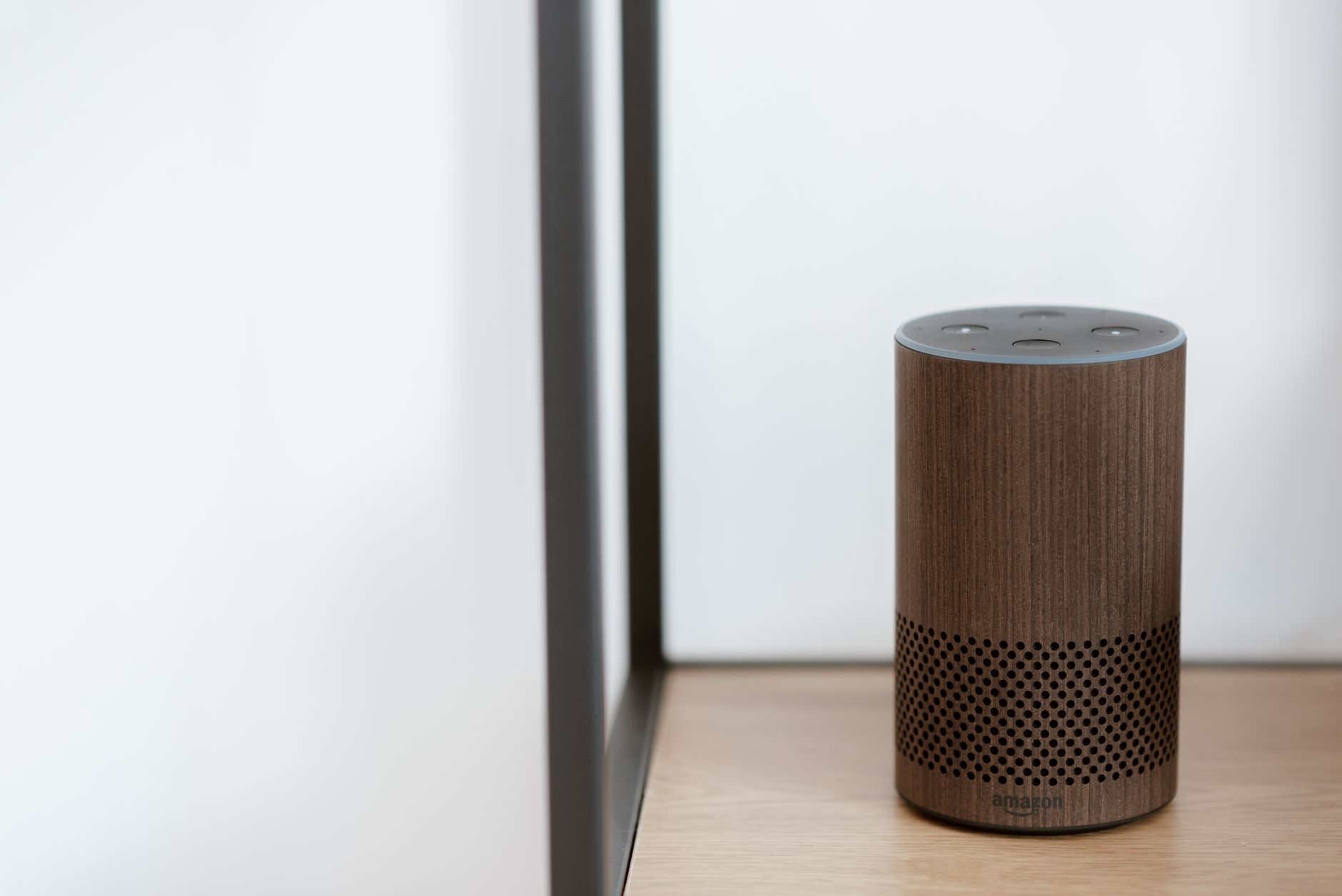
The Amazon Echo Hub launched without much fanfare, and that low-key arrival tells you something. Amazon knows the phrase ‘smart home hub’ carries the weight of a decade of broken promises - the wired-in controllers that required proprietary bridges, the apps that stopped receiving updates, the Z-Wave dongles that collected dust. So instead of calling it a hub, Amazon called it a ‘control panel.’ Apple calls its equivalent a ‘home hub.’ Google just says ‘home.’ Everyone is tiptoeing around the same object.
But the object is real, and it’s genuinely more useful than its predecessors. The Echo Hub is an 8-inch touchscreen mounted to a wall, running a stripped-down interface designed entirely around controlling other things rather than being a thing itself. No speaker. No camera. It exists to be looked at and tapped, and in that specificity it works better than any Echo with a screen before it.
What changed isn’t the hardware concept - wall-mounted touchscreens for home control have existed since at least the mid-2000s in commercial buildings. What changed is Matter. The smart home protocol, finalized in late 2022 and now actually shipping on mainstream devices, means a light switch from one manufacturer and a thermostat from another can be controlled from the same interface without a manufacturer-specific bridge in between. That’s not a small thing. The old frustration wasn’t that people didn’t want centralized control - it was that achieving it required an almost hobbyist level of commitment.
The Problem That Remains
None of these hubs are platform-neutral. The Echo Hub runs Alexa. Google’s Nest Hub runs Google Home. Apple’s HomePod acts as a hub only if you’re inside the Apple ecosystem. Matter improves device compatibility at the protocol level, but the control layer is still owned by whoever sold you the screen. You’re not buying a neutral hub; you’re buying a company’s interface to your house.
For most people that’s probably fine - they’ve already picked a voice assistant and stuck with it. But it means the dream of a truly open, manufacturer-agnostic home control panel is still theoretical.
The Echo Hub costs $179. It does the thing it’s supposed to do. Mounted next to a light switch, it makes a house feel slightly more like a house that was designed rather than accumulated. That’s a low bar, but smart home hardware has been clearing lower ones for years.