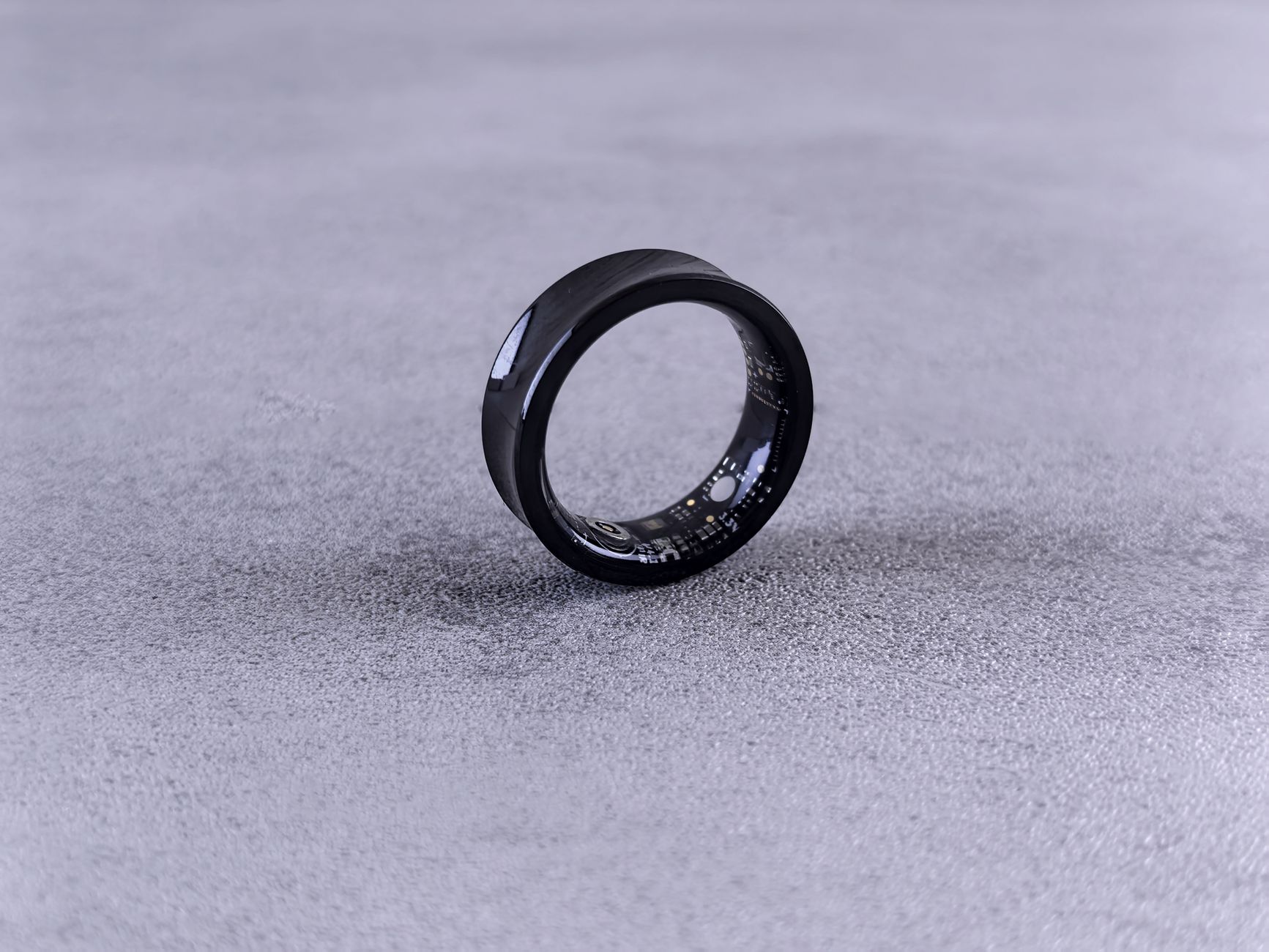
Samsung’s Galaxy Ring is genuinely well-built. The titanium finish is excellent, the sizing kit that ships before your actual ring is a smart logistical move, and battery life - around six to seven days in real use - is better than most people expect. The hardware team clearly delivered. The product team, less so.
The core problem is that the Galaxy Ring only makes full sense if you already own a recent Samsung phone and actively use Samsung Health. Outside that ecosystem, it’s a $400 sleep and activity tracker competing against Oura, which has a more developed health platform, and against Apple Watch and Fitbit, which do more things in a more visible way. The ring occupies a strange middle position: premium price, passive form factor, ecosystem dependency.
For people who find a watch uncomfortable at night, the ring does solve a real friction point. Wearing something on your wrist while sleeping bothers plenty of people, and the ring gets around that without asking you to charge it daily. That’s a legitimate selling point, not marketing filler.
But “Comfortable to Sleep In” Isn’t a Product Category
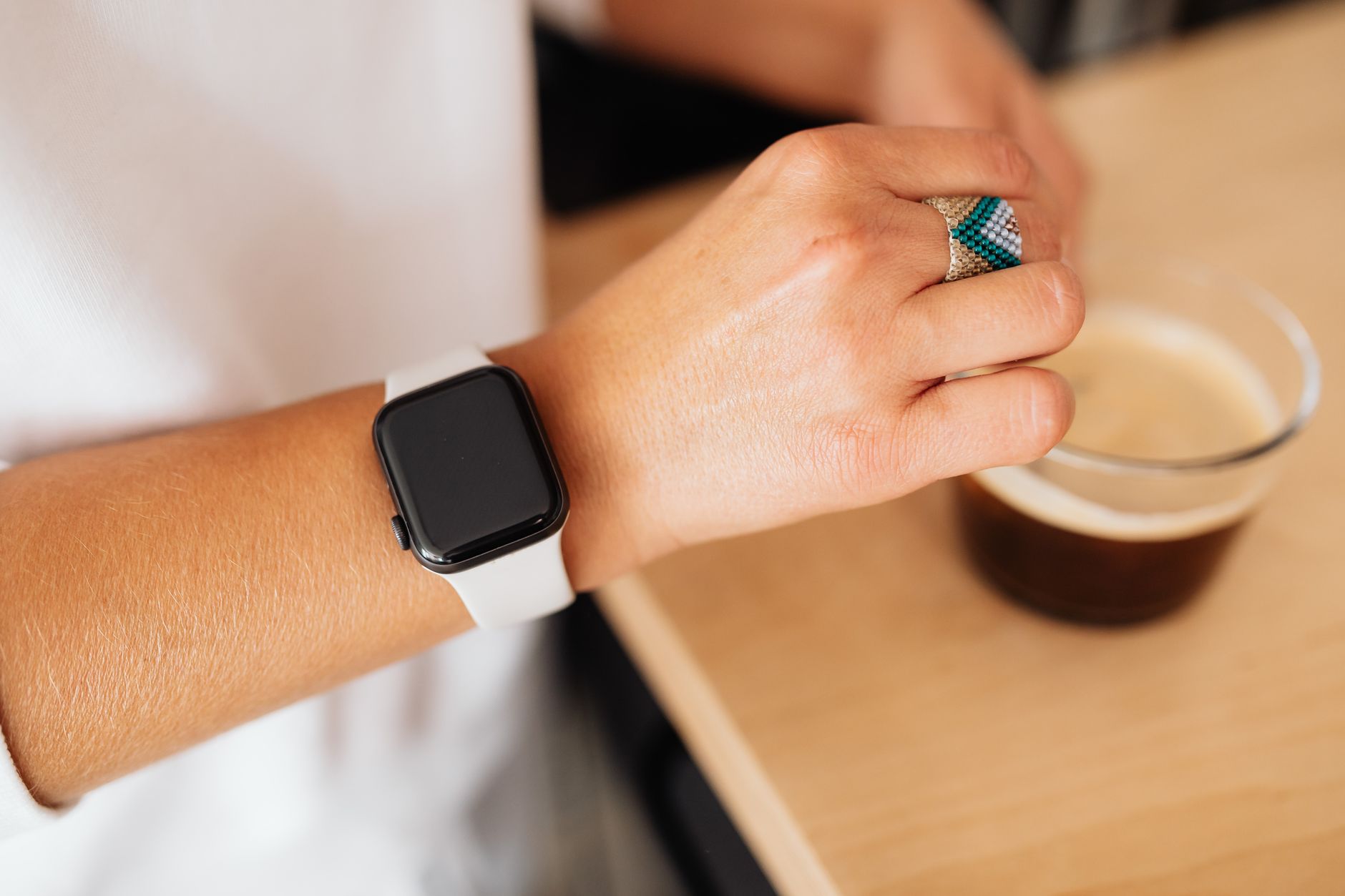
Oura built an actual health insights layer over years of iteration. The Galaxy Ring’s Health app integration is functional but thin - sleep stages, readiness scores, activity data - and the insights often feel like things you could guess yourself. The score tells you that you slept badly after three drinks on a Friday, which, yes.
Samsung has the data pipeline to do more with this hardware. It has millions of Health app users, a biosensor engineering team, and now a growing catalog of ring wearers generating overnight biometric data. Whether that potential ever gets properly developed through software updates is the actual question, and it’s not one Samsung has answered clearly.
The ring is already on its second generation in some markets, with incremental sensor improvements. That cadence suggests Samsung sees a long-term product line here. What it hasn’t done is articulate - through software, not press releases - what that line is actually building toward.
Right now the Galaxy Ring is a comfortable, expensive tracker for devoted Samsung Health users. That’s a narrower pitch than a $400 device probably needs.