Fitbit’s collapse into Google obscurity didn’t happen because the hardware was bad. It happened because the software stopped meaning anything. Step counts and sleep scores with no clinical weight behind them, buried under a subscription wall that added nothing useful. Oura looked at that failure and built something different - a ring that speaks the language of actual health research rather than gamified wellness.
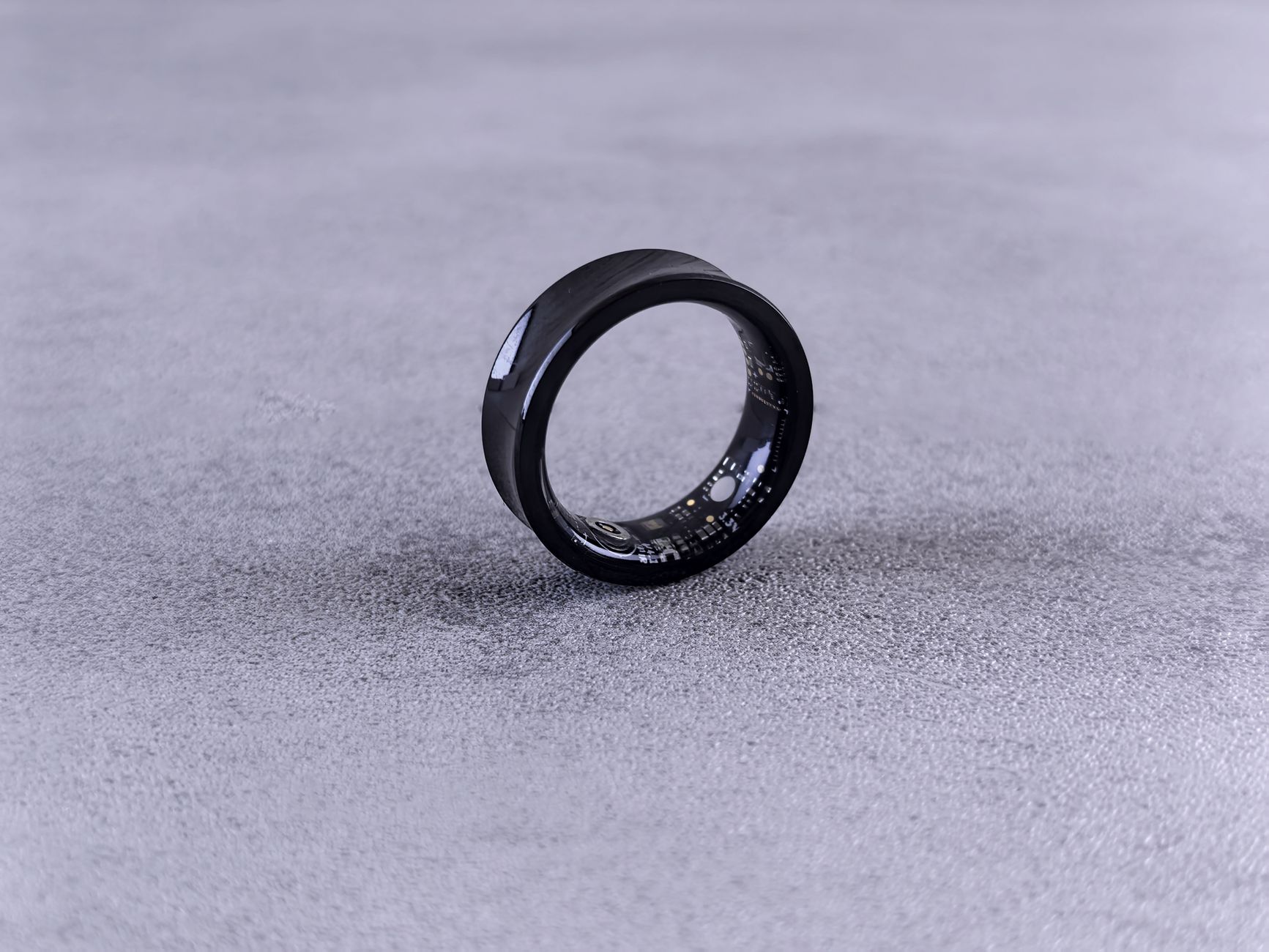
The Oura Ring 4, released in late 2024, is not a dramatic redesign. The titanium shell is thinner, the sensor array underneath the band is more consistent at picking up peripheral pulse signals, and Oura finally fixed the charging cradle’s tendency to lose contact. None of that is the point.
What changed meaningfully is that Oura’s readiness score - the number that tells you whether your body is prepared to train hard or needs recovery - has become genuinely hard to argue with. That sounds like a subjective claim until you spend a few weeks ignoring it and noticing the correlation. Low readiness days when you push through a heavy workout tend to feel exactly as bad as Oura predicted they would. The metric draws on resting heart rate, heart rate variability, body temperature deviation, and sleep architecture, not just duration. That combination is why sports medicine practitioners started recommending it - not because Oura has FDA clearance for anything specific, but because the inputs are the same ones researchers actually use.
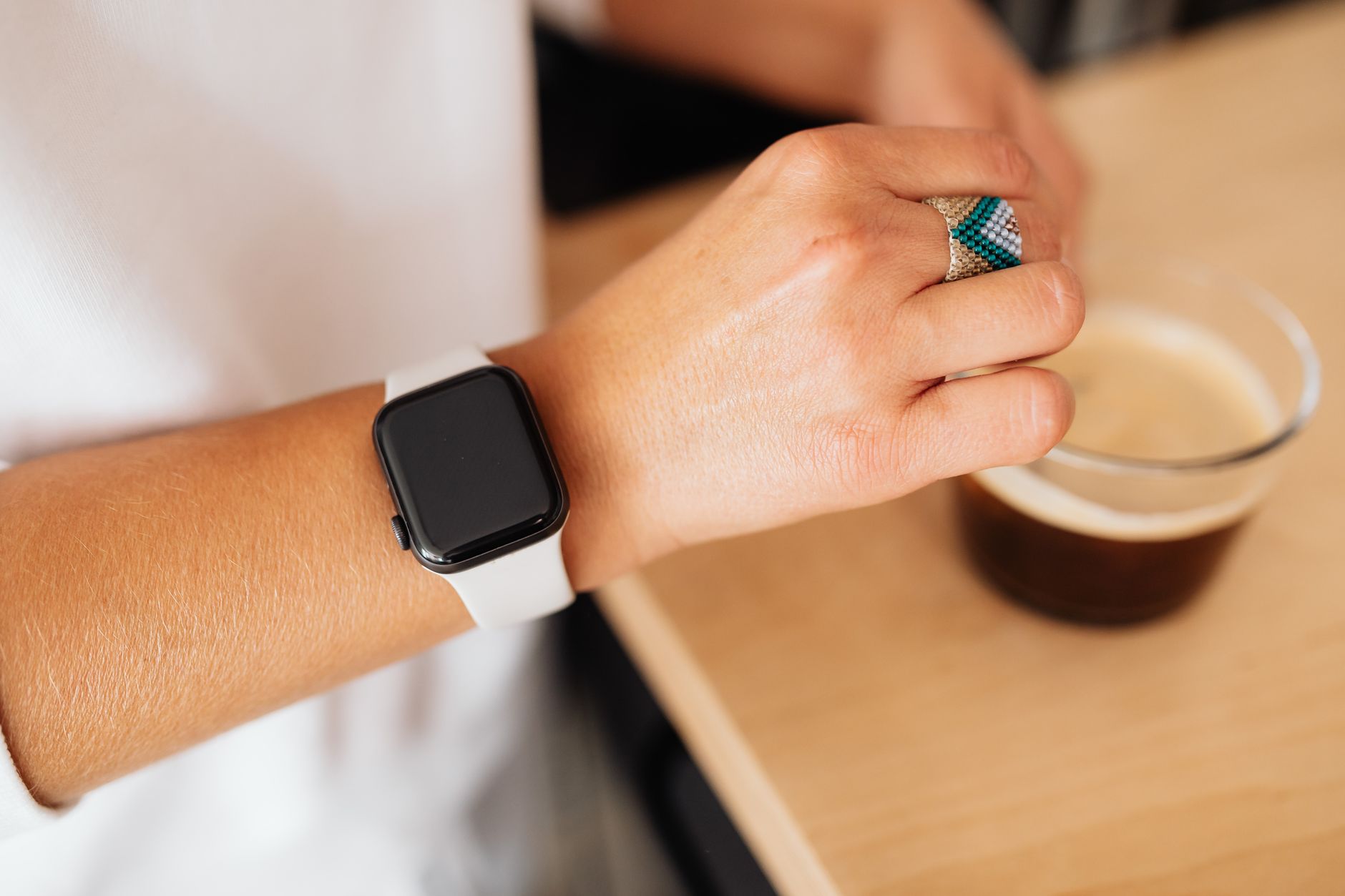
The form factor still wins the category by default. Nobody wearing a ring is self-conscious about it the way an Apple Watch or Galaxy Watch flags you as someone who cares about being seen caring about fitness. It disappears. Battery life runs four to six days in typical use, which removes the daily anxiety that kills wearable habits faster than anything else.
The subscription, at $5.99 a month, is the one thing that still feels like a tax on data you’ve already generated. Without it, the app shows almost nothing. That’s a legitimate complaint and Oura knows it - they haven’t changed it.
Still, the Samsung Galaxy Ring launched last year into this same space and still doesn’t have a coherent answer to what it’s for beyond ecosystem lock-in. The Oura Ring 4 does. For people who actually want to understand recovery rather than count steps, nothing else is close.