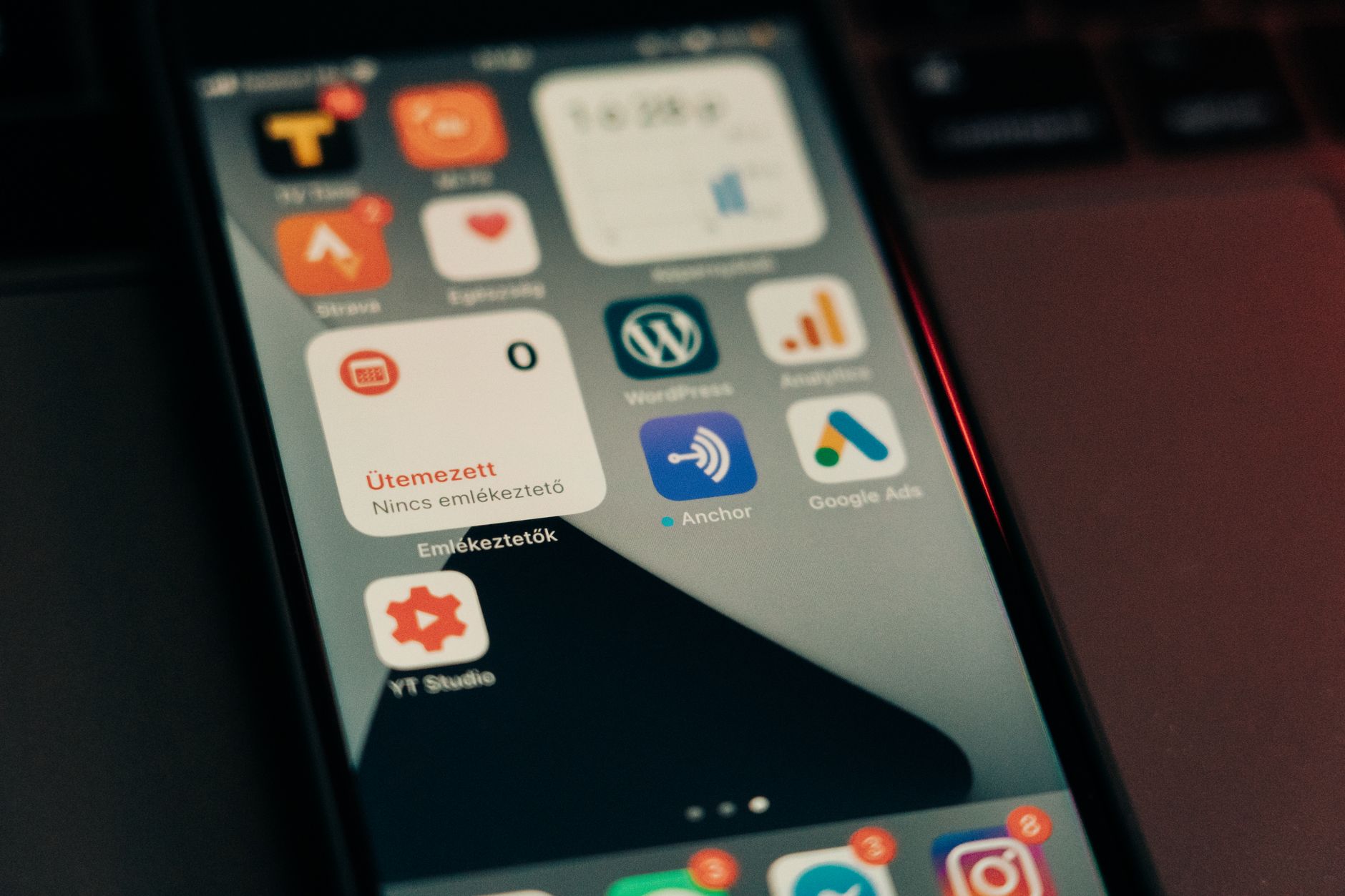
Somewhere between 2018 and now, the notification stopped being a pointer to an app and became the app itself. You don’t open Instagram to see that someone liked your photo - the like arrives on your lock screen, gets acknowledged with a thumb, and disappears. The app sits unvisited for days. This isn’t how notifications were designed to work, and it has some genuinely strange implications for how software gets built.
The Interface Nobody Designed
Notification systems were built as a secondary surface. The idea was that something important happened inside an application, and the operating system surfaced a brief alert to pull you back in. Apple’s original iOS notification architecture was so rudimentary that apps couldn’t even send them in the background without significant workarounds - the assumption was always that users would be in the app when things happened.
That assumption no longer holds. Messaging apps, email clients, food delivery trackers, ride-share apps - huge percentages of user interactions with these products now happen entirely through notification surfaces. You reply to a message through the notification shade. You track your delivery from the lock screen widget. You dismiss a calendar alert without ever opening Calendar.
The result is that developers are increasingly designing for a surface they don’t fully control. iOS and Android both mediate what notifications can do, how they look, and when they appear. The platform’s notification API has become the actual product for a large class of apps.
What This Breaks
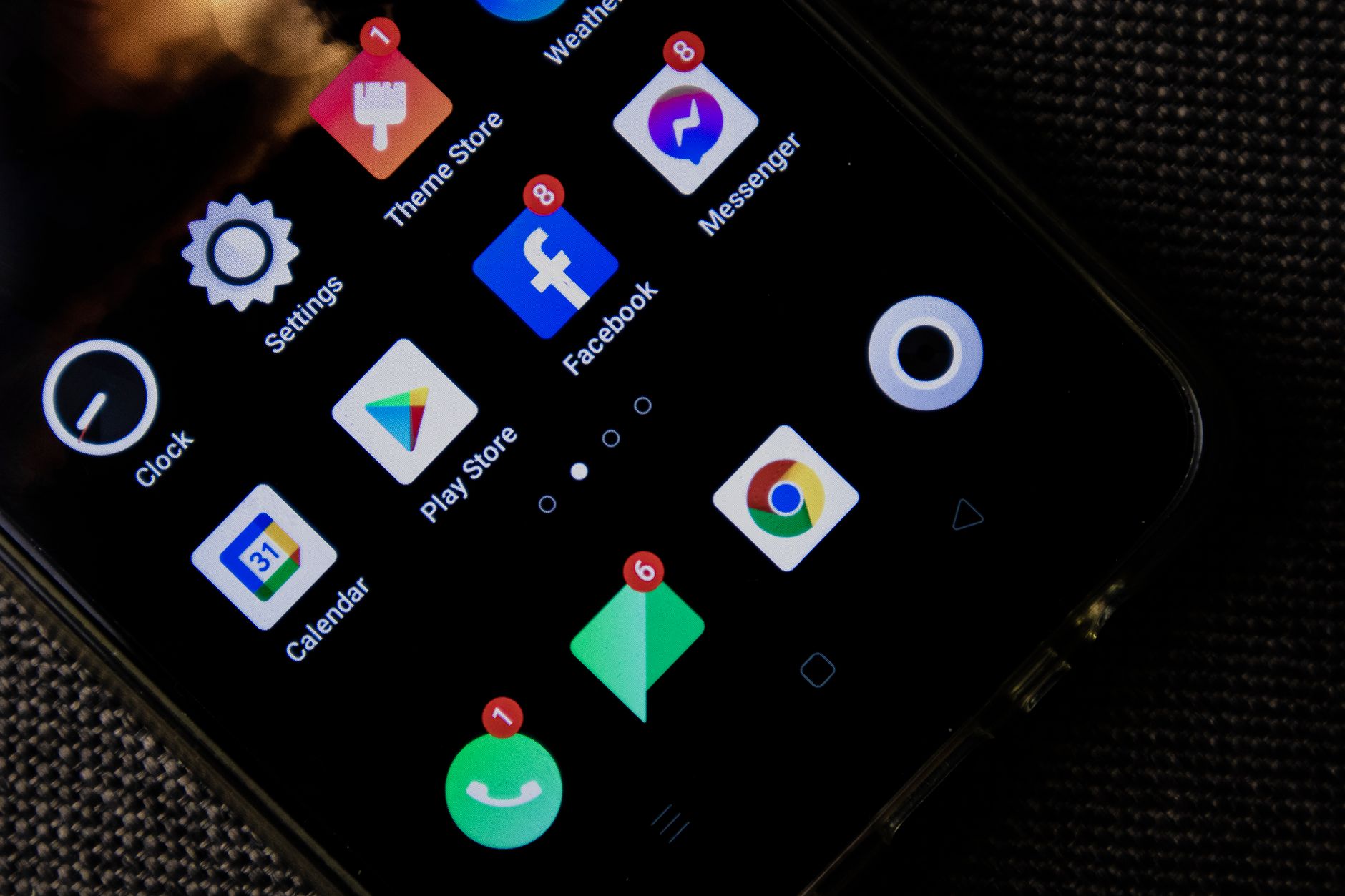
Monetisation models built around in-app engagement are quietly in trouble. If users spend less time inside apps and more time processing notifications, time-in-app metrics - a standard proxy for engagement - start to misrepresent what’s actually happening. An app can be deeply integrated into someone’s daily life while registering minimal session data.
This also creates a weird design incentive: developers now have a reason to make notifications more complete and actionable, which accelerates the trend of users never opening the app. It’s a feedback loop that chips away at the entire concept of an app as a destination.
The Platform Owners Know
Apple and Google have both expanded notification capabilities substantially over the last several versions of their operating systems - Live Activities, notification action buttons, interactive widgets that blur the line between notification and mini-app. They’re clearly aware that the lock screen and notification shade are prime real estate, possibly more valuable than any individual app’s home screen icon.
Where that leads is genuinely unclear. Whether notifications eventually absorb enough functionality that lightweight apps become the norm, or whether something else emerges to recapture users’ attention inside a dedicated screen - neither platform has shown its hand yet.