
Amazon spent years insisting that Kindle buyers didn’t want color. Then the Colorsoft arrived, and the more interesting question became: who is this actually for?
The answer isn’t “everyone who reads books.” Most novels don’t benefit from a color screen - black text on a warm white background is fine, and the Paperwhite handles that better per dollar. The Colorsoft makes sense for a specific type of reader: someone who annotates graphic novels, follows illustrated non-fiction, or uses their Kindle for cookbooks and travel guides where the photography actually matters.
For that person, the Colorsoft delivers something tablets can’t quite match. The color e-ink panel - based on Kaleido 3 technology - sits comfortably outdoors in direct sunlight where an iPad becomes nearly unusable. The battery life isn’t even comparable; the Colorsoft runs for weeks between charges rather than hours. And unlike a backlit tablet at 11pm, it doesn’t feel like staring into a light source.
The color reproduction is where expectations need calibrating. Saturation is noticeably muted compared to LCD or OLED - this isn’t a device for evaluating photography. But for illustrated reference material, charts, or comic panels, the color is sufficient. Enough to carry meaning, not enough to impress anyone at a spec-sheet level.
The Weight Problem
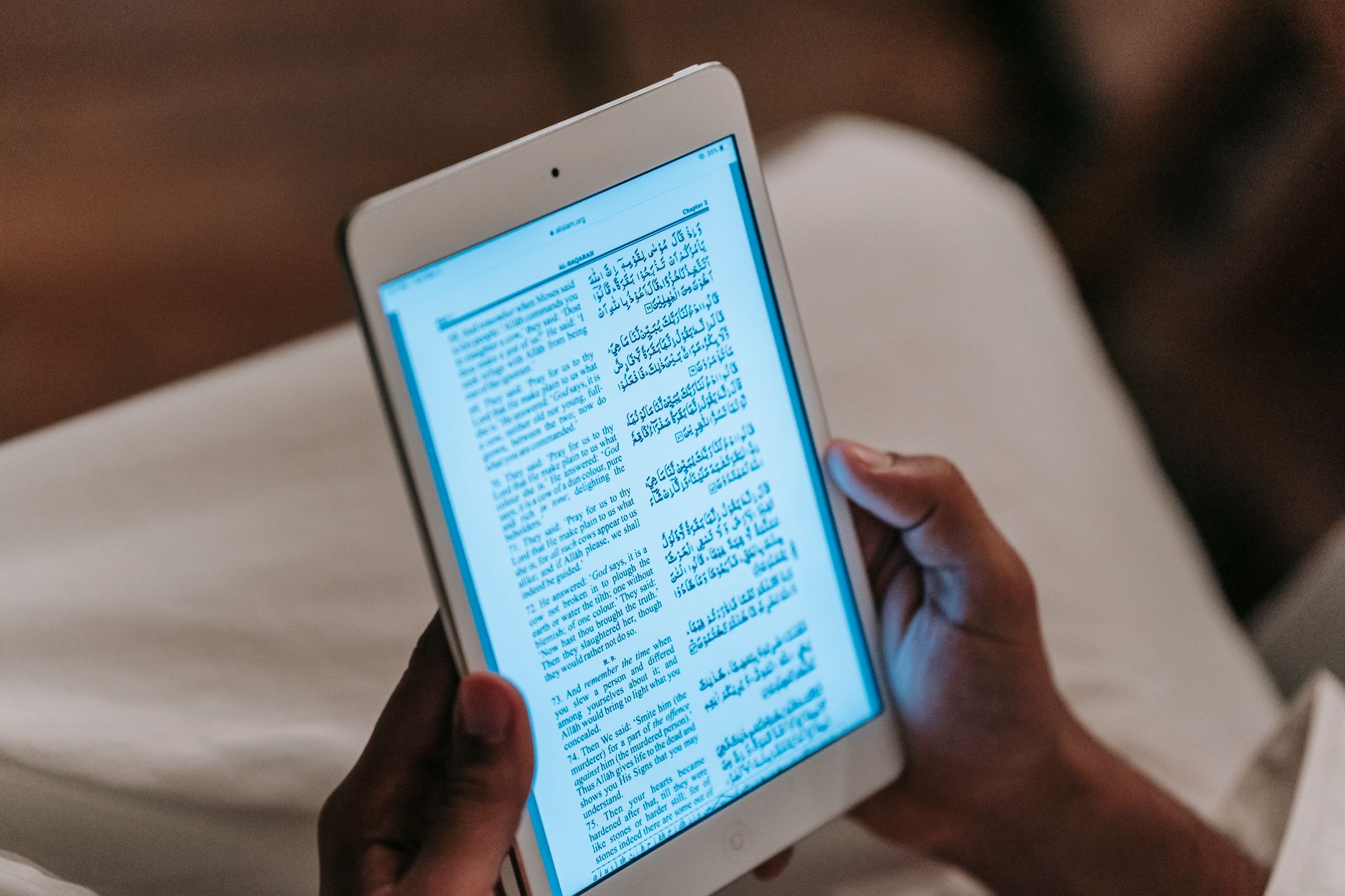
At 248 grams, it’s heavier than the standard Kindle and heavier than the Paperwhite. One-handed reading sessions get uncomfortable faster than they should. This is the most legitimate daily-use complaint, and Amazon hasn’t solved it.
Pricing Is the Real Friction
The Colorsoft launched at $279.99 - considerably more than the Paperwhite’s $159.99 entry point. That’s a hard sell when the color advantage only materializes for a subset of what people actually read on Kindles. Most Kindle libraries skew toward prose-heavy fiction and non-fiction, where the color screen contributes nothing.
But this is a device that shouldn’t be evaluated against the Paperwhite. It’s more accurately compared to a small tablet with a purpose: long reading sessions in variable light conditions, with content that happens to benefit from color. Framed that way, the price is annoying but defensible.
Amazon built a real product for a real use case and priced it in a way that ensures most people will talk themselves out of it. Which is somewhat on-brand.