
Apple has spent the better part of a decade adding features to the iPad that make it look like a laptop - external keyboard support, mouse input, Stage Manager, Final Cut Pro, Logic Pro - while carefully avoiding the one thing that would make it actually work like one: a file system you can reason about and third-party apps that aren’t sandboxed into near-uselessness for professional workflows.
The M4 iPad Pro is the most obvious example of this tension becoming absurd. It ships with a chip that outperforms most MacBook Airs. You can attach an Apple Magic Keyboard with a trackpad, connect a 4K external display, and run a full spreadsheet or video editing session. On paper, it’s a portable workstation. In practice, you’ll hit a wall the moment you try to do something that involves moving files between apps in a non-Apple-approved way, or running software that simply doesn’t exist on iPadOS - not because it couldn’t be ported, but because developers have no reason to do it.
The Magic Keyboard Made This Worse, Not Better
Here’s what’s strange about actually using the M4 iPad Pro with the Magic Keyboard for a week: the hardware combination is genuinely excellent. The keyboard feel is better than plenty of mid-range laptop keyboards. The trackpad is responsive. The hinge is solid. Apple has clearly put real engineering effort into making this thing feel like a coherent device.
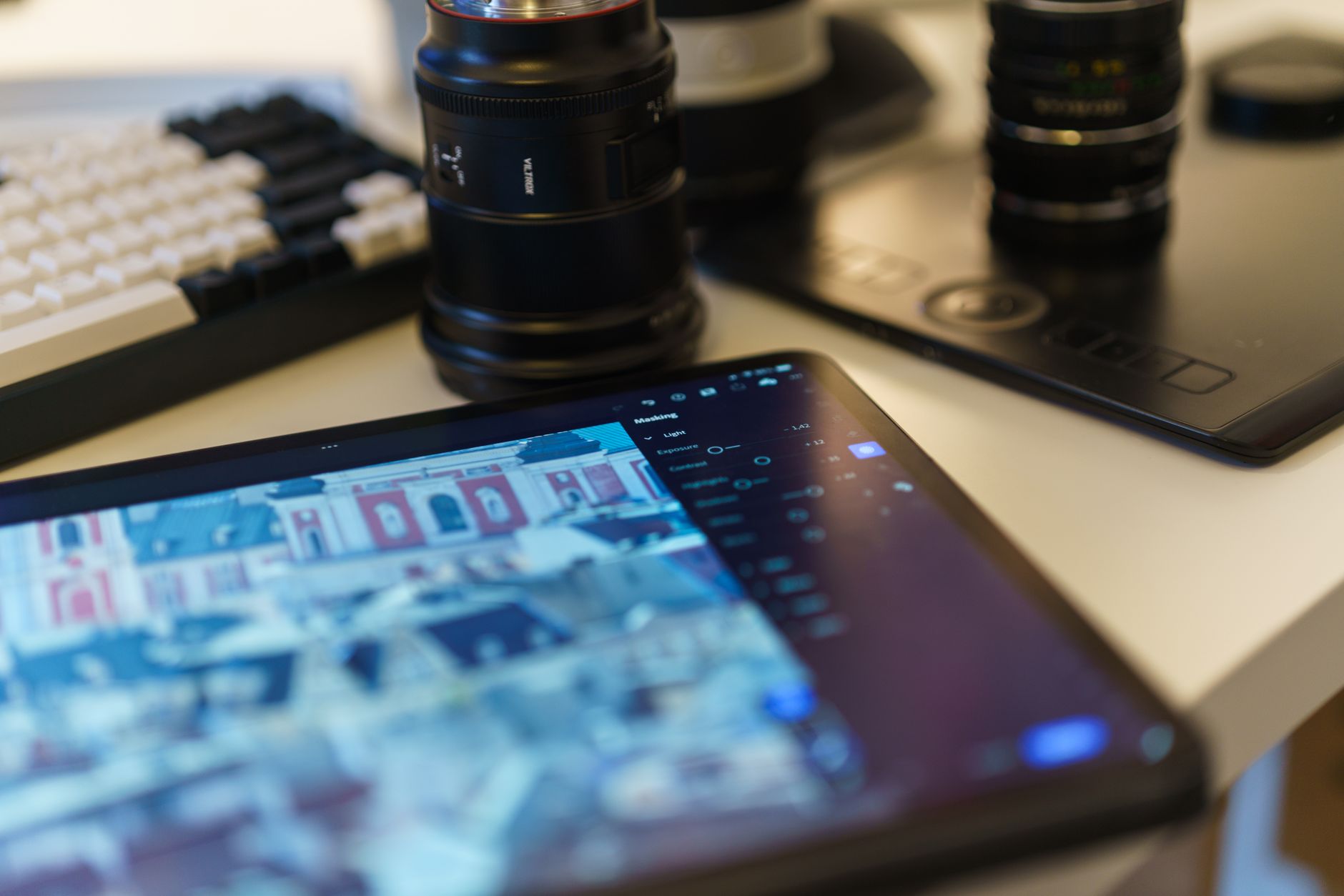
But the software keeps reminding you it isn’t one. You’ll go to drag a file from a browser download into a project folder in a creative app and find yourself navigating a set of permissions dialogs that exist because iPadOS was never really designed for this. Stage Manager - Apple’s attempt at windowed multitasking - still behaves unpredictably when you plug in an external display and try to arrange more than two windows.
The Price Makes the Ambiguity Sting
A fully configured M4 iPad Pro with the Magic Keyboard and Apple Pencil Pro crosses £1,800 in the UK. At that number, you’re not buying a content consumption device with some productivity features bolted on. You’re making a serious hardware investment.
And Apple keeps selling it as both things simultaneously - creative pro tool in the keynote, casual browsing device in the lifestyle ads - because committing to one would mean either rethinking iPadOS at a fundamental level or admitting the MacBook is the answer they already built.
What’s unclear is whether Apple actually has a plan to resolve this, or whether the iPad Pro is simply where the company parks its best silicon while it figures that out.