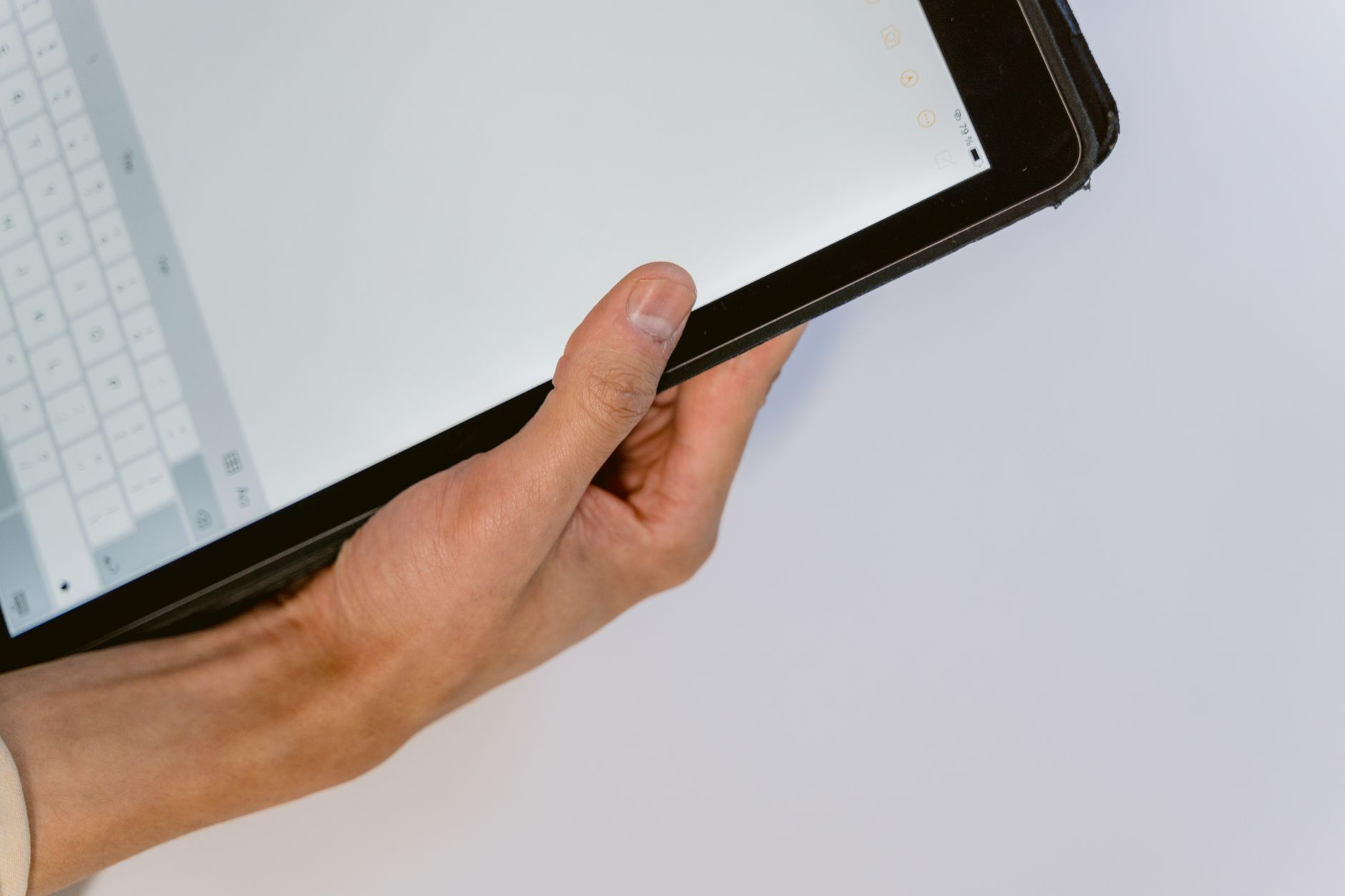
There’s a version of this where Apple quietly discontinues the iPad mini and replaces it with an AI-powered accessory that does less and costs more. The mini barely gets stage time at keynotes. It ships on a longer cycle than any other iPad. And yet every time one lands in someone’s hands - genuinely, physically in someone’s hands - the reaction is the same: oh, right, this.
The iPad mini 7, released in late 2024, didn’t change much from its predecessor. A15 Bionic chip (not the latest), Apple Pencil Pro support, Wi-Fi 6E, and that 8.3-inch Liquid Retina display that makes everything else feel either too small or too large. There’s no ProMotion. No OLED. No camera system that photographers care about. Apple didn’t try very hard, and somehow that’s fine, because the mini’s appeal has never been about specs.
It’s about the form factor doing something no other Apple device does. It fits in a jacket pocket. Not a bag - a pocket. It can be held in one hand for long periods without fatigue, which matters if you read on it, annotate documents on it, or use it as a secondary screen at a cramped desk. It is, functionally, the large phone Apple never made for people who don’t actually want a large phone.
What nobody says out loud

The mini gets dismissed because it doesn’t fit a clean use case narrative. It’s not a productivity machine like the 13-inch Pro. It’s not a family tablet like the standard iPad. It doesn’t photograph well on a desk for YouTube thumbnails. So coverage is thin, and buyers self-select - usually people who tried other tablets and found them too unwieldy to actually carry.
That’s a smaller market. Apple knows this. But smaller markets can still be loyal ones.
The Pencil Pro thing
Adding Pencil Pro support was meaningful. Squeeze, barrel roll, hover - these aren’t gimmicks on a device you’re holding in portrait mode, sketching notes or marking up a contract. The mini becomes a genuinely useful tool for that workflow in a way the larger iPads aren’t unless you’re sitting at a table.
Whether Apple keeps investing in this size category or lets it drift into two-year neglect cycles again is an open question. The hardware argument for the mini has never been stronger. The business argument, apparently, remains unpersuasive.