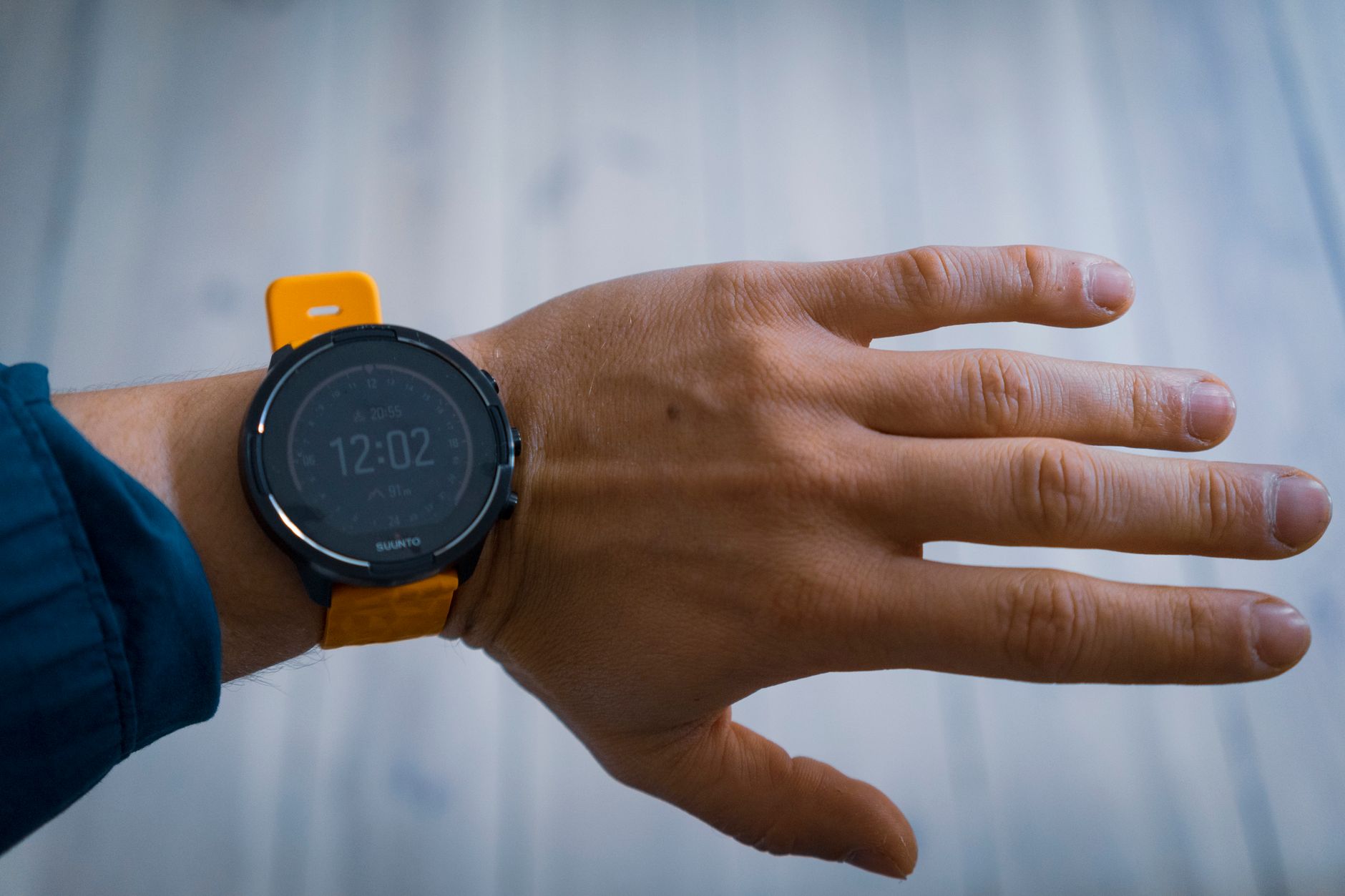
Every flagship smartwatch released in the last three years has shipped with roughly the same implicit contract: you will charge this every night, or every other night if you’re careful. Apple, Samsung, and Google have all signed that contract without apology. The Garmin Instinct 3 hasn’t.
Garmin’s solar-assisted version of the Instinct 3 claims up to 70 days of battery life in smartwatch mode under typical solar conditions. That number is aspirational and depends heavily on sun exposure, but even users in low-light climates consistently report three to four weeks between charges. That’s not a spec sheet curiosity - it changes how you actually relate to the device.
The psychological shift is real. After about two weeks wearing the Instinct 3, you stop thinking about battery percentage. The watch moves from “device I manage” to “thing on my wrist.” That sounds trivial until you’ve missed a workout metric or a sleep tracking window because you forgot to charge the Apple Watch before bed. The Instinct 3 is quietly eliminating an entire category of low-grade friction that most wearable reviewers have simply normalized.
What You’re Trading
The screen is memory-in-pixel, not AMOLED. It’s readable in direct sunlight and nearly invisible indoors in low light without the backlight on. If you want to glance at your watch in a dim restaurant and see rich color and crisp text, this isn’t it. The interface is also built around five physical buttons, not touch. Learning the navigation takes about two days; after that it’s faster than swiping.
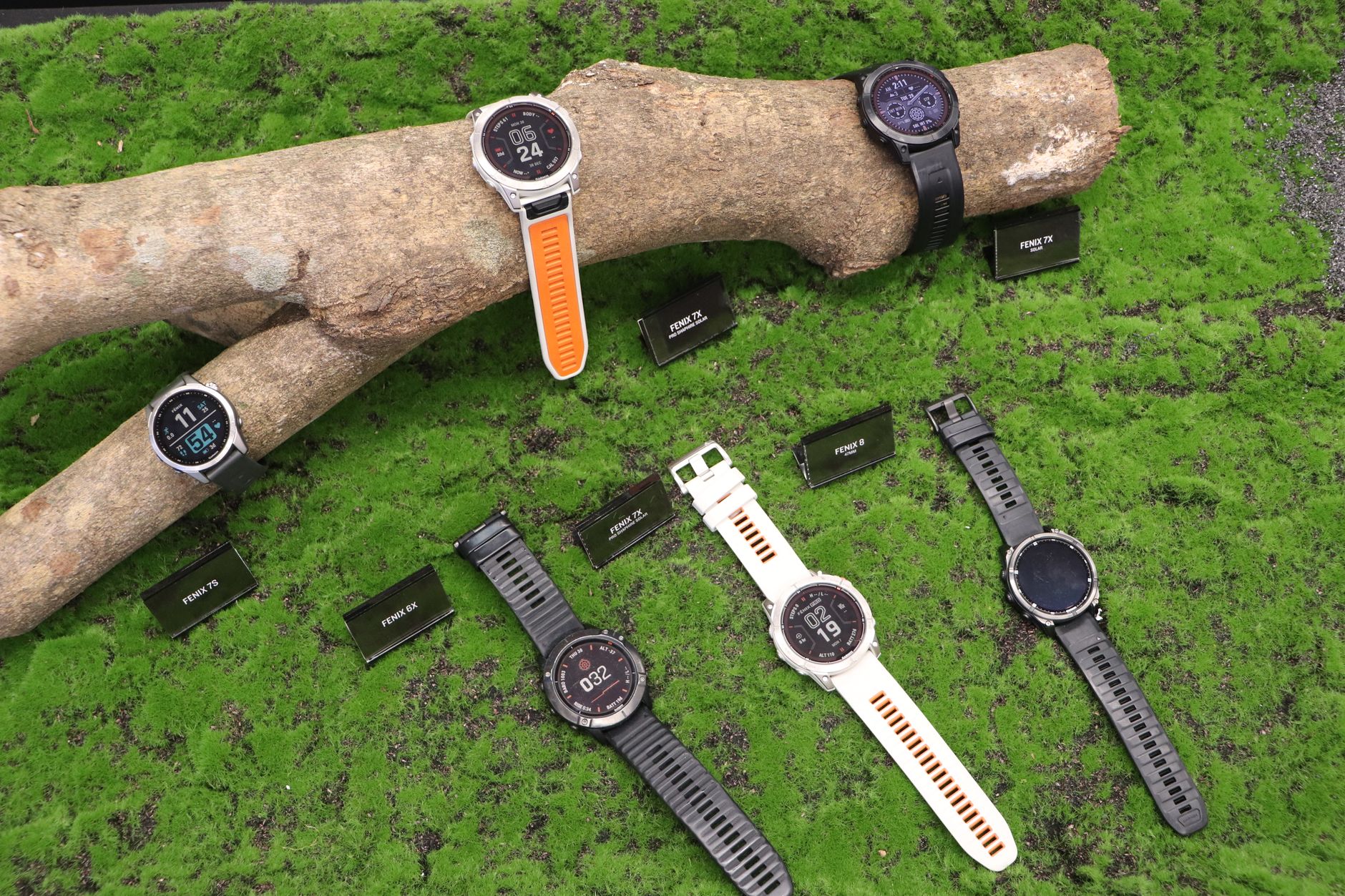
There’s no LTE option. No onboard maps with routing prompts. The smart features - notifications, music controls, Garmin Pay - work, but they feel secondary to the sensor suite and the endurance positioning.
The Comparison That Actually Matters
The Apple Watch Ultra 2 costs significantly more and lasts around 60 hours with heavy GPS use. The Instinct 3 Solar at its price point isn’t competing on brand prestige or software richness. It’s competing on the premise that a wearable you never have to think about charging is worth more than one with a better app store.
For trail runners, travelers, and anyone who’s ever arrived at a trailhead with a dead GPS watch, the Instinct 3’s value proposition is self-evident. For the majority of smartwatch buyers who use their device to check Slack notifications and track steps, it’s probably overkill in the most literal sense - more watch than the use case demands.
But the watch industry has spent a decade chasing the thinnest profile and the sharpest display while treating battery life as a fixed, acceptable limitation. The Instinct 3 is the clearest argument that this was a choice, not an engineering constraint.