
Samsung’s Galaxy Watch Ultra shipped as a serious piece of hardware - titanium case, 60-hour battery life in power-saving mode, a D-buckle band that actually feels like it belongs on a watch worth several hundred dollars. The problem isn’t what’s in the box. It’s everything Samsung wants to sell you after you’ve opened it.
First-party bands for the Galaxy Watch Ultra sit between $49 and $79 depending on material. That’s not unusual for the premium smartwatch segment on its own - Apple charges similar prices for Sport Band replacements. But the Watch Ultra uses a proprietary lug system that Samsung has been slow to license openly, which means the third-party market is still thin compared to what you’d find for a Galaxy Watch 7 or an Apple Watch Series 10. You’re largely stuck buying from Samsung or from a small pool of aftermarket sellers whose quality is genuinely inconsistent.
This matters more for the Watch Ultra than for other watches because the product is explicitly marketed toward people who swap bands frequently - athletes, outdoor users, people switching between workout and office contexts. Samsung’s own marketing leans into this. The hardware supports the use case. The accessory ecosystem actively undercuts it.
The Band Situation in Practice
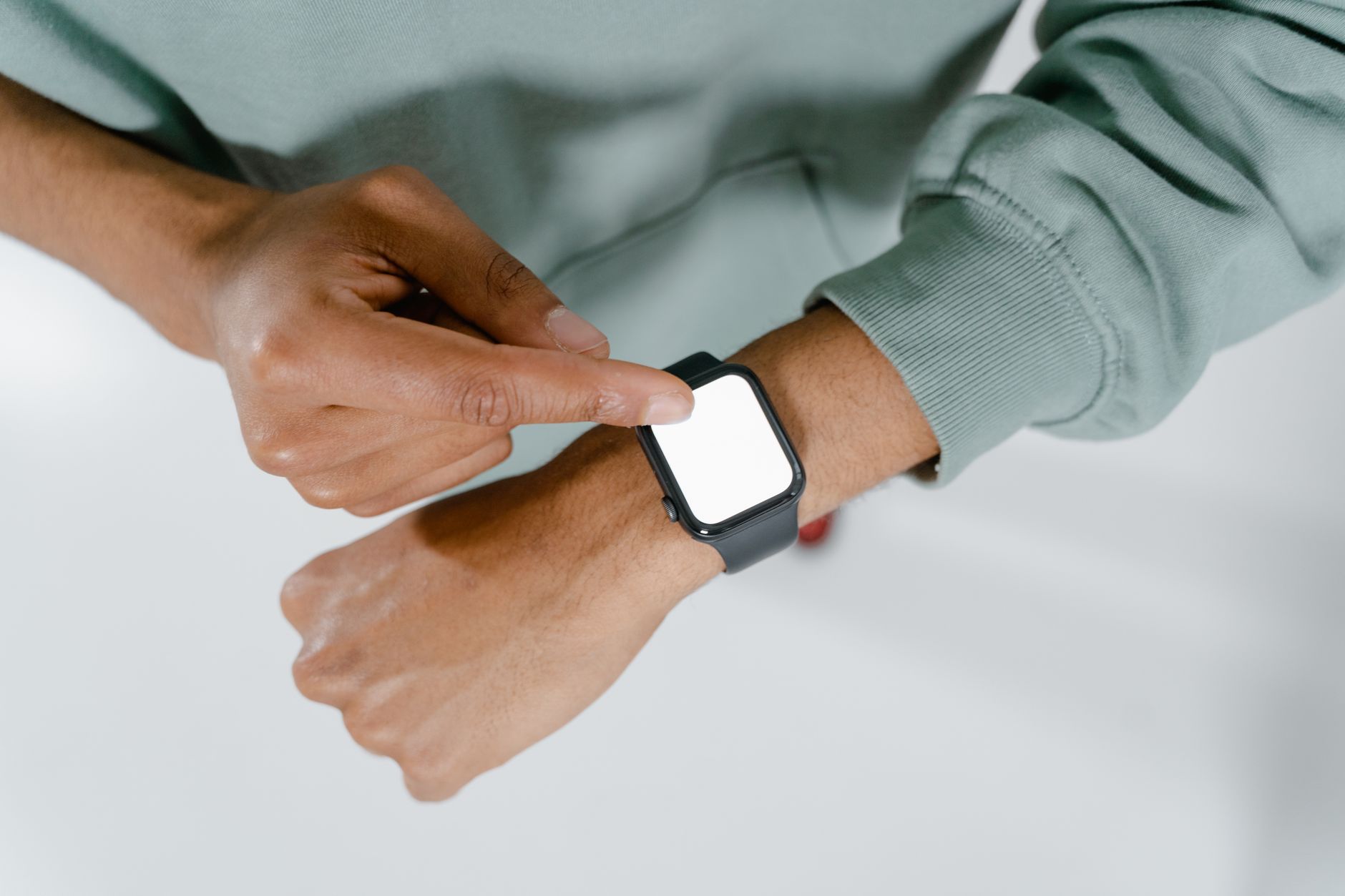
After using the Watch Ultra for several weeks across different contexts, swapping between the included D-buckle and a separate silicone band, the lug mechanism itself is fine - the connection is solid and quick to change. The issue isn’t mechanical. It’s that buying a second band feels like paying a premium tax on a device you already paid a premium to own.
Third-party options have improved since the watch launched, but sizing and finish inconsistency remains common in user reports across forums and review sections. The savings over first-party bands often don’t materialize once you account for returns.
Who This Actually Affects
If you buy the Watch Ultra, wear the included band, and never think about it again, this complaint isn’t for you. But for anyone drawn to the Watch Ultra specifically because they want hardware flexible enough to shift between contexts - the target customer, in other words - the accessory pricing is a quiet but real friction point that Samsung has chosen not to solve.
Good hardware with a closed accessory moat is a product decision, not an oversight. Samsung knows exactly what it’s doing here.