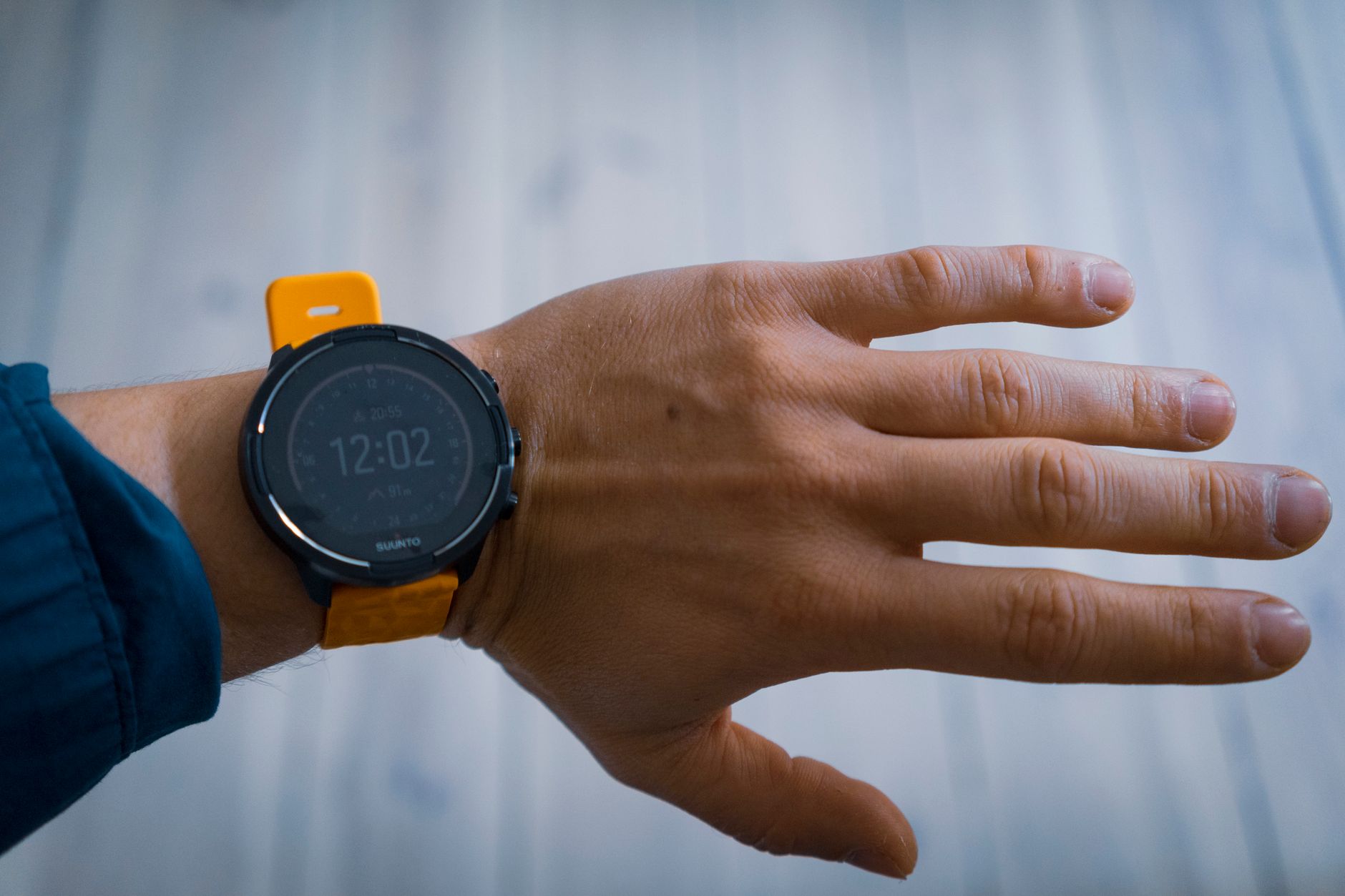
Samsung’s Galaxy Watch Ultra arrived with military-grade durability certification, a titanium case, and a 10ATM water resistance rating. It reads blood oxygen, tracks ECG, monitors sleep stages, and offers multi-band GPS for route accuracy that budget watches can’t match. The hardware spec sheet is genuinely impressive, and on the wrist, it carries the dense, purposeful weight of something built to survive actual use.
The problem is who Samsung thinks is buying it.
Spec Sheet for an Athlete, Marketing for an Aspirant
The Galaxy Watch Ultra launched at $649 - squarely above the Apple Watch Ultra 2’s standard configuration at the time. That positions it in a category where buyers are typically triathletes, mountaineers, open-water swimmers, or people who genuinely need sub-meter GPS accuracy and multi-day battery life in hostile conditions. Garmin has owned this space for years with the Fenix and Epix lines, and those users have strong opinions about what a serious sport watch delivers.
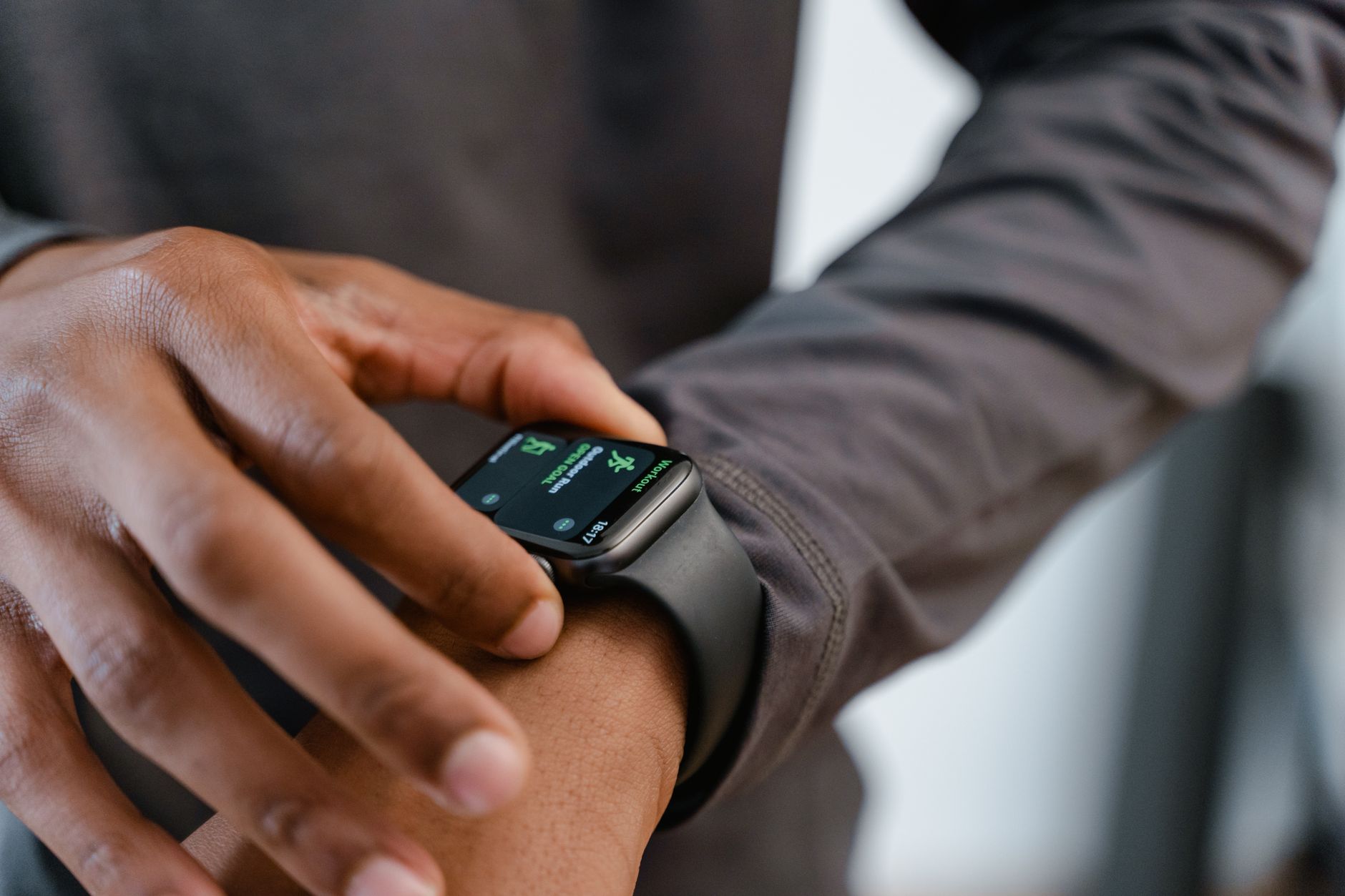
Samsung’s watch does not quite meet that bar. Battery life lands around 48 hours with GPS active in real-world use, which is respectable for a Wear OS device but short for anything resembling expedition-level activity. Garmin’s Fenix 8 Solar can stretch well beyond that. And while Samsung Health has improved meaningfully, the training load analysis and recovery metrics still feel like rough approximations compared to what Garmin’s Body Battery and Firstbeat Analytics deliver after years of refinement.
It’s Actually a Great Watch for Someone Else
Here’s the twist: stripped of its extreme-athlete framing, the Galaxy Watch Ultra is probably the best Android smartwatch for someone who leads a moderately active life and wants hardware that won’t feel fragile. The display is excellent in direct sunlight. The haptics are precise. The titanium case resists scratches in a way the standard Galaxy Watch 7’s aluminum does not. If you run a few times a week, hike occasionally, and want a watch that pairs deeply with a Samsung phone without looking like a fitness tracker, this is the one.
That’s just not who Samsung is advertising it to, and the mismatch creates a quiet identity problem the watch never fully resolves. Whether Samsung can close that gap with software - better training tools, more nuanced recovery data - before the next generation arrives is an open question. Garmin has a decade of head start and shows no sign of slowing down.