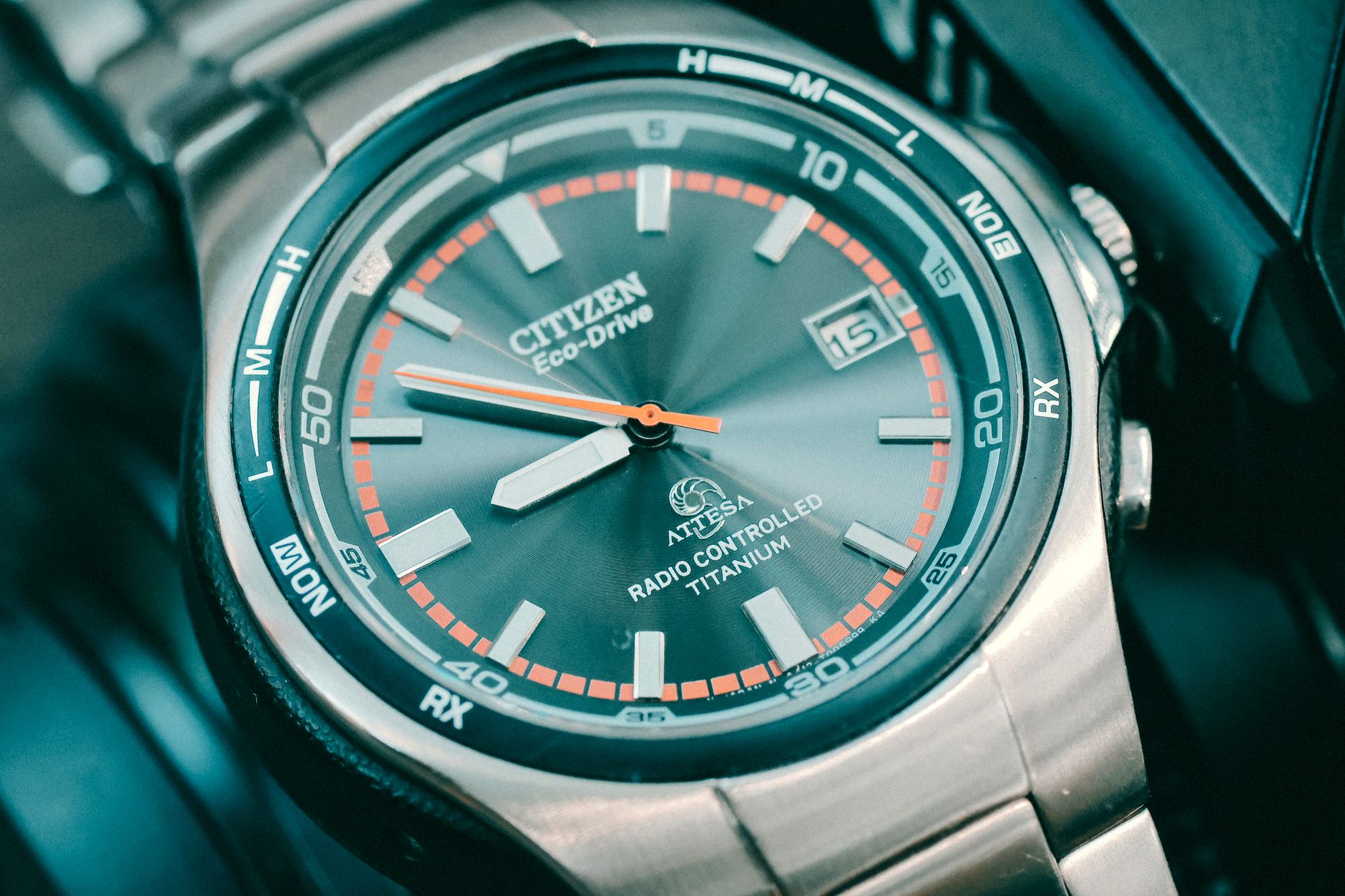
Samsung has spent the better part of a decade making smartwatches that feel like they’re auditioning for the role of Apple Watch alternative. The Galaxy Watch Ultra, at least in terms of hardware, stops doing that. It’s thick, it’s titanium, it has a physical button layout that actually makes sense under exertion, and it doesn’t look embarrassed to be worn by someone who goes outside.
The 47mm case sits high on the wrist the way a tool watch should - not flush and apologetic. The protruding crown guard is a genuine design decision, not a styling flourish, and it works. Drop it, bang it against a door frame, wear it through a trail run in the rain: the construction communicates that it was built for this rather than merely rated for it. After weeks of daily use, the titanium shows no meaningful scratching. The sapphire crystal stays clear. These are not small things when you’re paying premium money for a wearable.
The display is also genuinely excellent - bright enough to read in direct afternoon sun without hunting for the raise-to-wake gesture like you’re playing a guessing game.
Where It Falls Apart
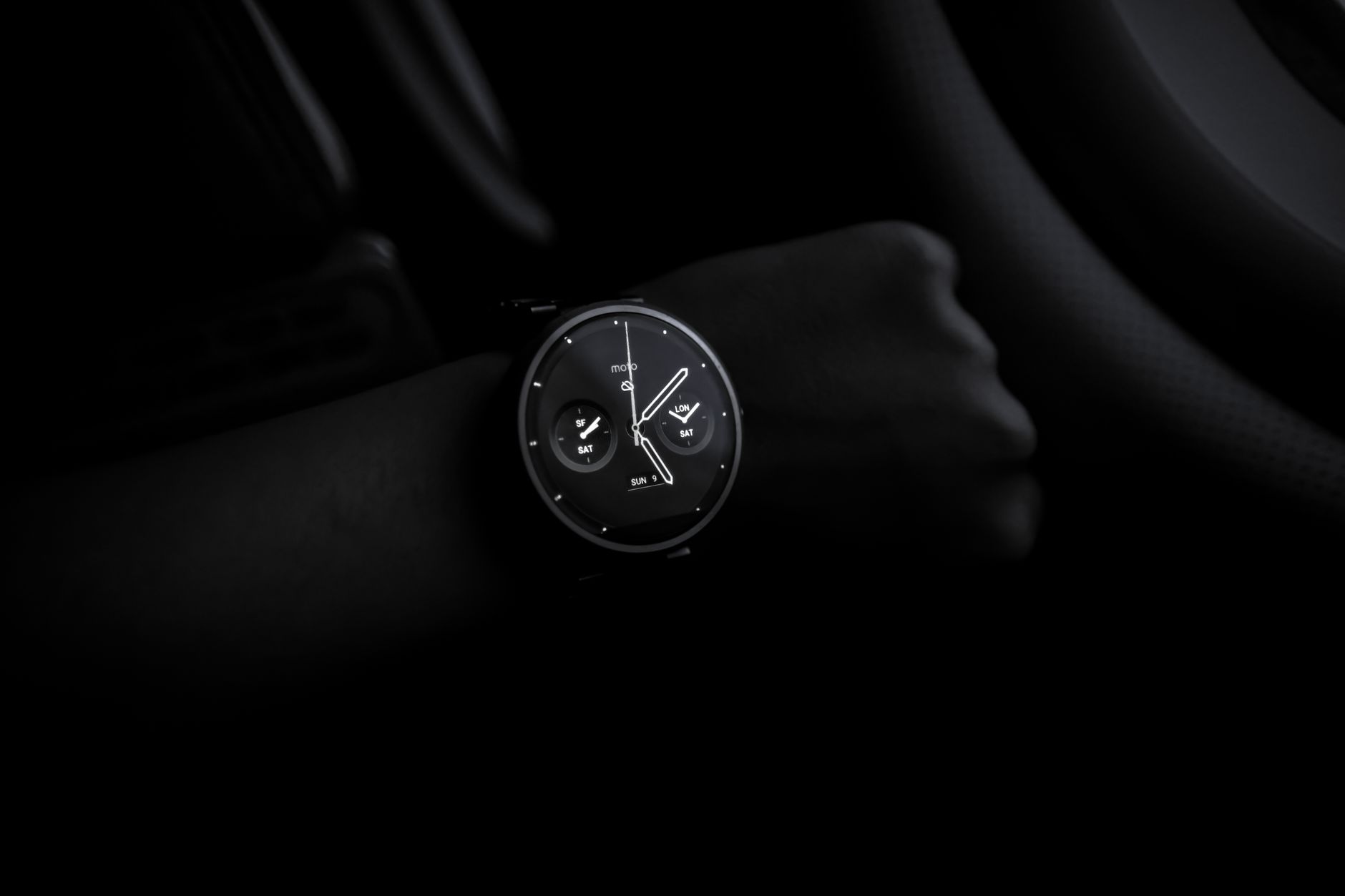
One UI Watch remains the problem Samsung doesn’t want to talk about. Not because it’s broken - it isn’t - but because it’s still architecturally dependent on a Samsung phone for full functionality in ways that Wear OS as a platform was supposed to have moved past. Health features like Body Composition measurement are locked out entirely on non-Samsung Android phones. Sleep coaching features have varying degrees of availability depending on what’s in your pocket. Apple locks its Watch to the iPhone, which is at least an honest position. Samsung markets the Galaxy Watch Ultra as a standalone premium device while quietly enforcing a loyalty tax through software.
This isn’t speculation - Samsung’s own compatibility pages document which features require Galaxy phones. The hardware deserves a cleaner story than that.
What It Actually Gets Right
The battery life on the Ultra puts the Apple Watch Series 10 to shame in daily use. Getting through two full days without anxiety about charging is not nothing for a watch doing continuous heart rate and GPS tracking.
Samsung built something physical and purposeful here. The compromise isn’t in the materials or the engineering - it’s that they’re still using good hardware to push ecosystem lock-in, and they’re doing it subtly enough that most buyers won’t notice until they try to switch phones.