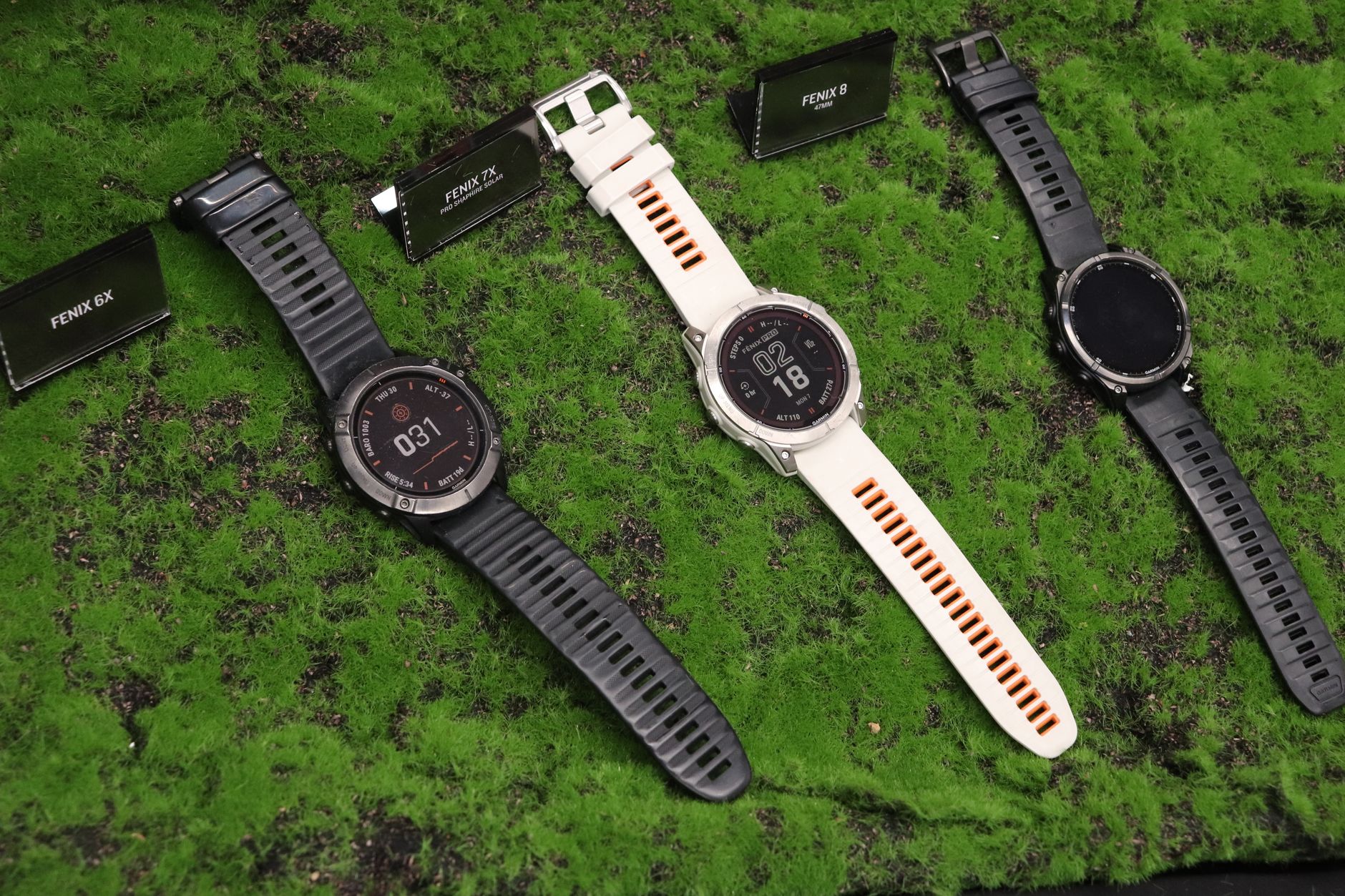
Samsung’s Galaxy Watch Ultra launched at $649 and was immediately compared to the Apple Watch Ultra - which is fine, because Samsung very clearly designed it with that comparison in mind. Titanium case, oversized 47mm body, a dedicated Quick Button on the side, rated to 10ATM water resistance. On paper it reads like a spec sheet assembled to beat Cupertino at its own game.
The thing is, wearing it for a few weeks, it mostly does.
The Build Is the Feature, Not the Specs
Most smartwatches are built for an imagined version of the user: someone who hikes on weekends and works at a standing desk during the week. The Galaxy Watch Ultra is built for people who actually do extreme things with their bodies - or at least want hardware that won’t make them nervous when they don’t. The titanium case doesn’t feel performatively chunky the way some sport watches do. It feels settled. The crown has actual resistance. These are small things that add up over a day of use in a way that’s hard to quantify but impossible to ignore once you’ve noticed it.
The display is the best Samsung has put on a watch. Bright enough outdoors that checking a notification mid-run doesn’t require shading the screen with your hand. That alone solves a problem that sounds minor until you’re dealing with it every morning.
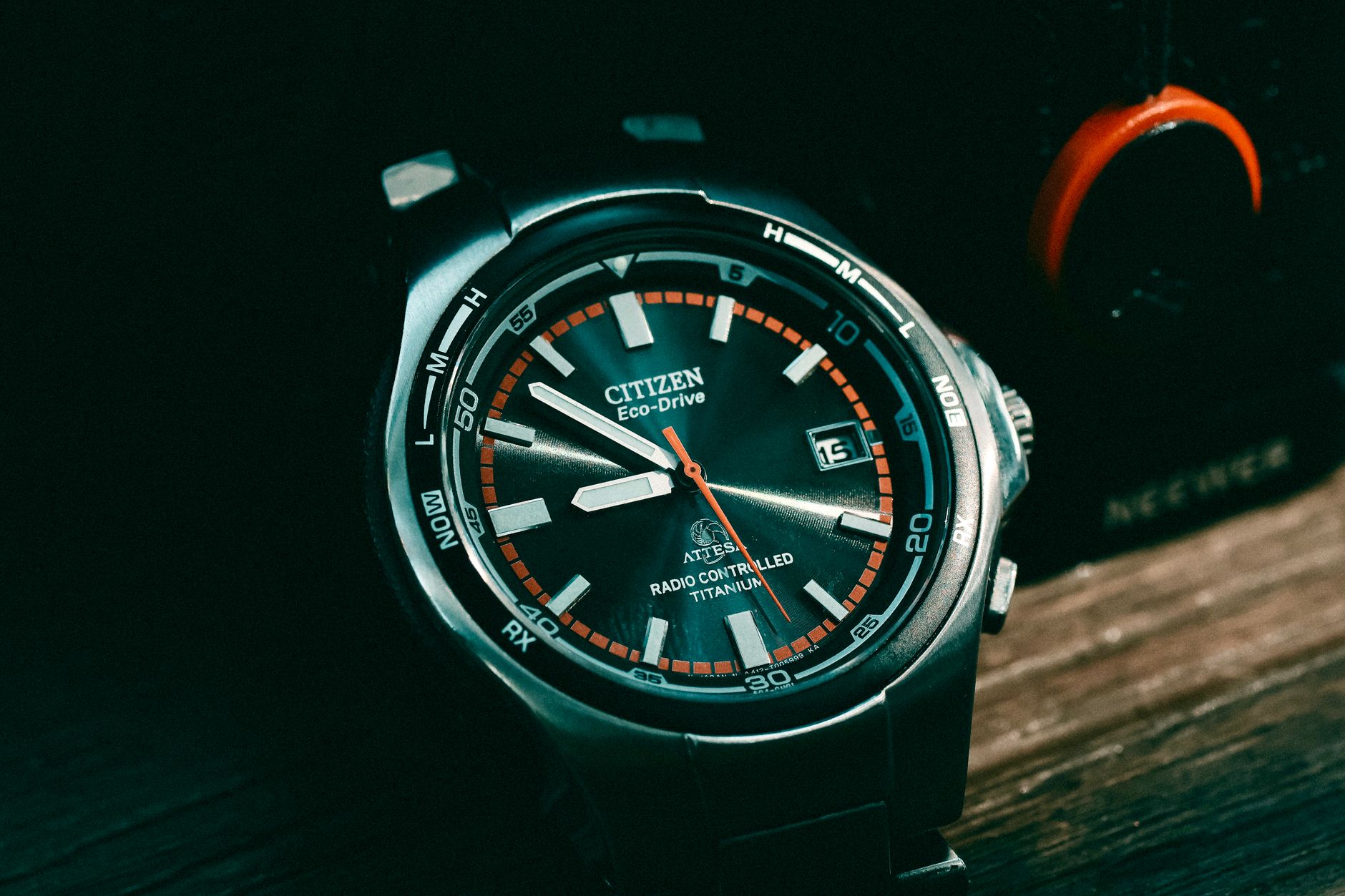
Where It Loses Ground
Battery life is the weak spot, and it’s a meaningful one. Samsung claims around 60 hours of typical use, but with continuous heart rate tracking and GPS enabled, real-world figures land closer to 30–36 hours. For a watch positioned as expedition-ready, that’s an awkward gap - the Apple Watch Ultra 2 runs longer in comparable conditions. If you’re planning more than a day and a half away from a charger, you’ll notice.
One UI Watch has also improved enough that it’s mostly out of the way, which is the best compliment you can give a wearable OS. Tile navigation isn’t elegant, but it’s fast.
The Audience Problem
Here’s the part that stays unresolved: most people buying a $649 watch aren’t diving to 100 metres or running ultramarathons. They’re commuting, going to the gym, occasionally trail running. The Galaxy Watch 7 handles all of that for $300 less. So the Ultra is, in a real sense, overkill for nearly everyone who will purchase it.
Whether that’s a flaw or a feature depends on how you think about hardware. There’s an argument - not a bad one - that buying more capability than you need is how you ensure the device never becomes the limiting factor. The Ultra won’t be what fails on you. Whether it’s worth the premium for that assurance is a question each buyer has to settle for themselves, and Samsung knows it.