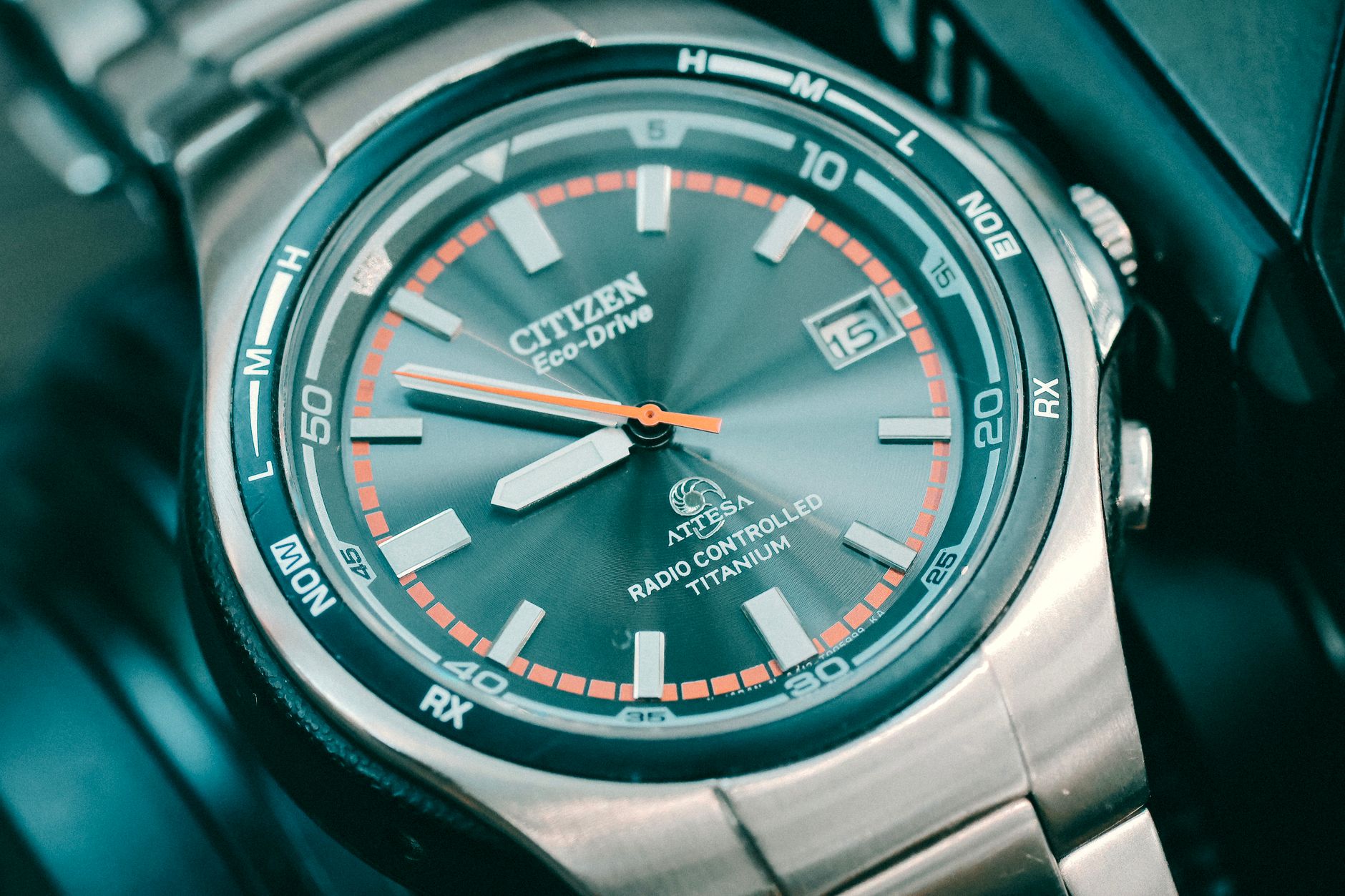
Samsung’s Galaxy Watch Ultra is, on pure hardware terms, the most accomplished smartwatch the company has ever made. Titanium case, 60-hour battery life in power-saving mode, a 3,000 nit display that doesn’t wash out in direct sunlight. Worn on the wrist, it feels like something that costs more than it does - which, given that it costs a lot, is saying something.
And yet, after a few weeks with it, the honest reaction is a kind of admiring shrug.
The hardware is not the problem
Everything Samsung promised in the specs holds up. The display really is that bright. The titanium really does feel premium without adding uncomfortable weight. Sleep tracking with the BioActive sensor is as accurate as any dedicated sleep tracker short of an Oura, and the battery doesn’t require nightly charging the way the standard Galaxy Watch 7 does. These are real improvements over previous generations, not spec-sheet theater.
The quick-release band system is also genuinely good - swapping between the sport band and a more formal strap takes about four seconds and doesn’t require a tool or a YouTube tutorial.
What it can’t fix
The problem is that smartwatch software has effectively plateaued. Wear OS 5, which the Watch Ultra runs, is smoother than it’s ever been, but the things you actually do on a smartwatch haven’t changed meaningfully in three years. You check notifications you already saw on your phone. You glance at your heart rate. You tap snooze on a silent alarm. The Watch Ultra does all of this exceptionally well, and none of it requires titanium.
Apple is in the same position with the Ultra 2. The hardware arms race between Samsung and Apple has produced genuinely impressive physical objects that run genuinely stagnant software ecosystems.
The audience that actually buys this
There is a real buyer here: someone who runs ultramarathons, or dives, or works in conditions where a standard watch would fail. The Watch Ultra’s durability ratings aren’t marketing fiction - MIL-STD-810H compliance and 10ATM water resistance mean this thing can take punishment that would wreck an ordinary smartwatch.
That’s a small audience.
For everyone else, the Galaxy Watch 7 does 90% of what the Ultra does at roughly half the price. Samsung knows this. They’re selling aspiration as much as function - which is fine, but it means the Watch Ultra exists somewhere between a tool and a status object, and it’s not entirely comfortable in either role. Whether a smartwatch can find a genuinely new reason to exist at this price point, or whether the category just keeps refining the same loop, isn’t obvious yet.