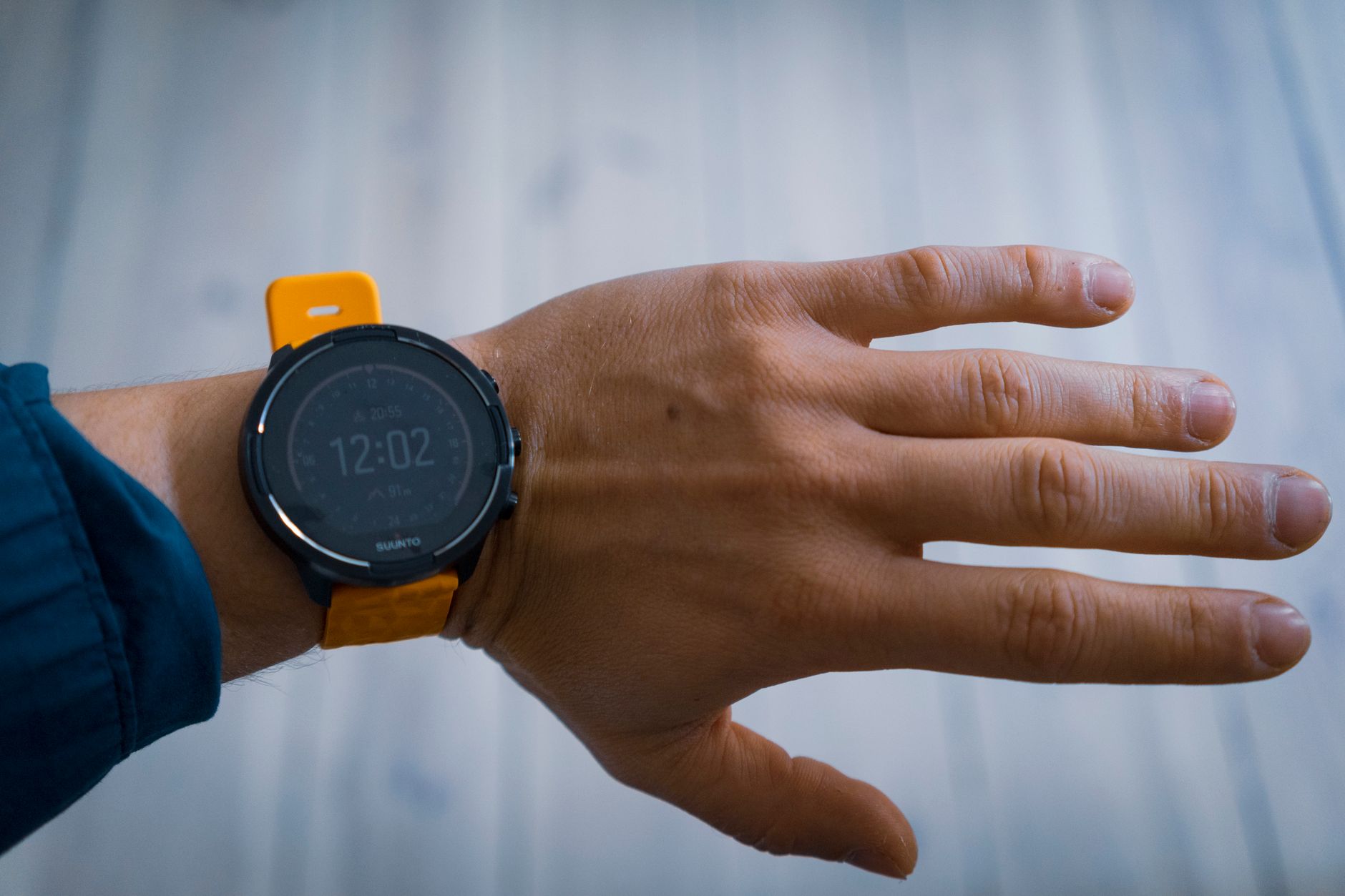
Samsung released the Galaxy Watch Ultra as a direct swing at the Apple Watch Ultra’s dominance among endurance athletes and outdoor types. The hardware case for it is real: titanium casing, 100-metre water resistance, multi-band GPS, and a battery that can genuinely last three days under mixed use. Strapped to a wrist during a trail run, it feels like something that could survive the run outlasting you.
The problem is everything that happens when you’re not doing something impressive.
Wear OS Is Still Doing Too Much
Samsung’s implementation of Wear OS - layered under One UI Watch - has improved substantially since its early rough edges, but it remains an interface that cannot decide who it’s for. The watch tiles system works well enough for glanceable data, but navigating into settings or app menus feels like it was designed for someone with more patience than any actual athlete has mid-workout. Apple Watch Ultra’s interface doesn’t win on flexibility, but it wins on immediacy. On a Samsung, you’re two or three swipes deep before you’ve accomplished anything.
The physical Quick Button on the Watch Ultra is a genuinely good idea - programmable, tactile, findable with gloves on. But by default it opens Samsung’s workout app, and reassigning it requires digging through settings in the Galaxy Wearable app on your phone. That’s not intuitive; it’s just a feature waiting for configuration that most people won’t bother with.
The Health Data Is Excellent, Quietly
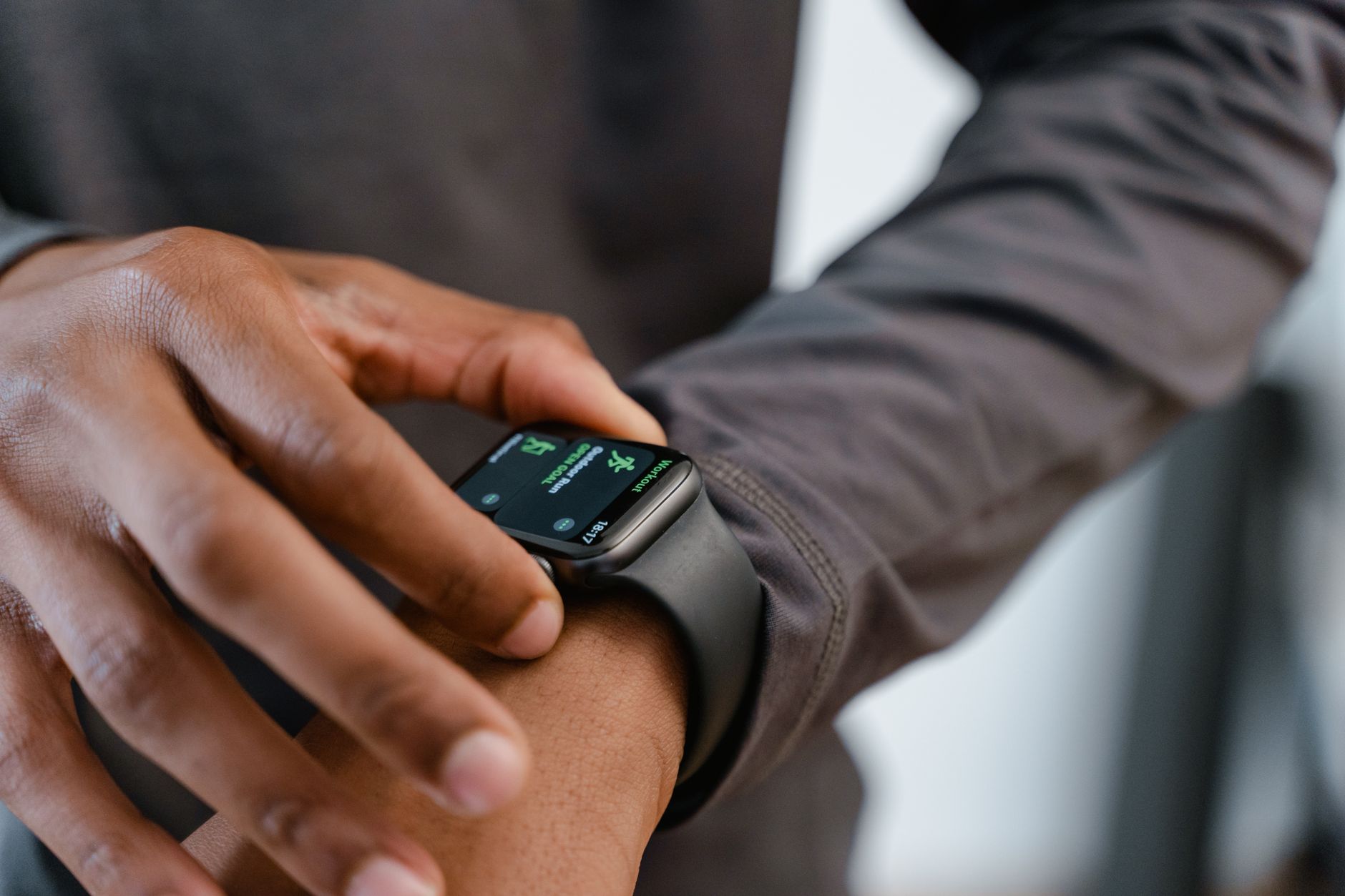
This part is worth acknowledging plainly: Samsung’s sleep tracking and recovery scoring are among the most detailed available on a consumer wearable. The BioActive sensor produces heart rate variability readings that hold up reasonably well compared to clinical-grade measurement. For anyone who cares about recovery metrics - not just step counts and calories - the Watch Ultra is producing data that the Garmin segment took years to reach.
Who Actually Buys This
The Watch Ultra sits at a price point that competes directly with Garmin’s Fenix series, and that’s where the positioning gets uncomfortable. Garmin’s software is single-minded in a way that makes the Watch Ultra look distracted. Samsung is asking buyers to accept a general-purpose smartwatch experience inside a body shaped like a specialist tool.
For deep Android users who want robust health data and don’t need their watch to purely be a fitness computer, the Galaxy Watch Ultra makes sense. For anyone who actually trains seriously and needs software that stays out of the way, Garmin hasn’t been displaced - and Samsung probably knows it.