
Samsung quietly killed the physical rotating bezel with the Galaxy Watch 6 Classic and then, apparently, thought better of it. The Watch 8 Classic has it back - same satisfying click-detent action, same stainless steel construction, same 47mm slab on your wrist that makes the standard Watch 8 look like a toy.
The rotating bezel is one of those controls that shouldn’t still feel premium in 2026, but it does. Scrolling through notifications or adjusting a timer while your other hand is wet, gloved, or otherwise occupied is genuinely easier with physical input than swiping on a small screen. Apple has never offered it. Google’s Pixel Watch line hasn’t touched it. Samsung’s decision to remove it for two generations and then reinstate it suggests someone looked at the sales split between the Classic and the standard model and had a bad afternoon.
The Hardware Is Not the Problem
The bezel aside, the Watch 8 Classic carries a titanium option this cycle that drops the weight noticeably compared to stainless steel without the cold, clinical feel of aluminum. On wrist, it reads closer to a dress watch than a fitness tracker - which is exactly what the Classic line is supposed to be. Battery life on the 47mm holds around two days of moderate use, which isn’t exceptional, but it’s no longer the embarrassment it was on earlier Galaxy Watch generations.
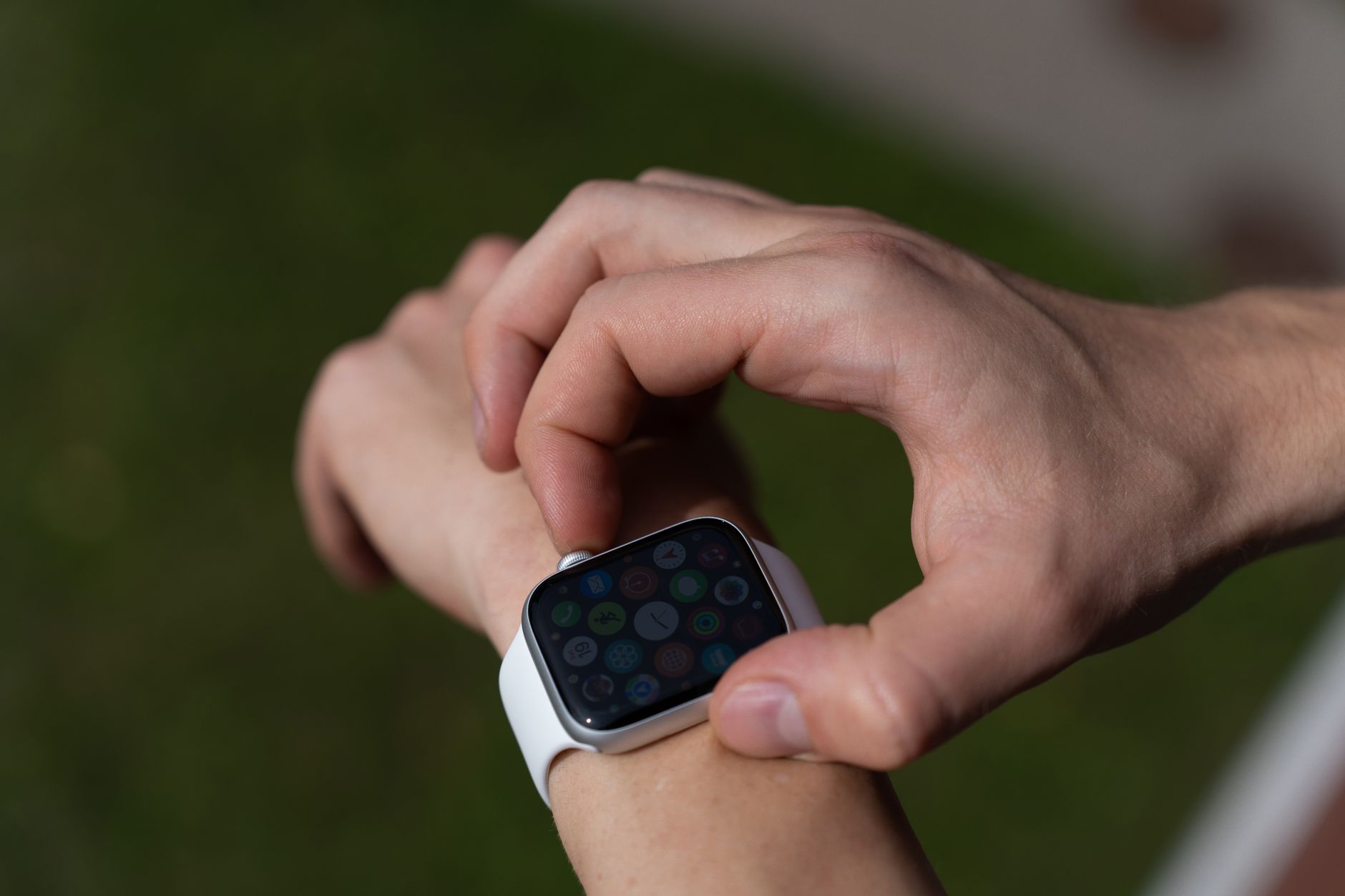
The sapphire crystal display is bright enough outdoors, and Samsung’s health sensor stack - ECG, blood pressure monitoring with calibration, sleep apnea detection - remains one of the more complete offerings in the consumer wearable space. Functionally, it’s a solid piece of hardware.
Where It Gets Complicated
One UI Watch 7 running on top of Wear OS 5 is still a layered experience that occasionally feels like two design teams who never spoke to each other. Some menus are clean and fast; others drop you into nested settings that feel ported from a 2019 interface. It’s not broken. It’s just visibly unresolved.
The Watch 8 Classic starts at a premium over the standard Watch 8 - a gap that’s harder to justify now that both share essentially the same internals. What you’re paying for is the bezel, the titanium option, and the form factor. Whether that trade makes sense probably depends on how much the standard watch’s round-cornered-square case bothers you aesthetically.
Samsung is betting it bothers a lot of people. Based on the fact that the Classic line keeps coming back, they might be right.