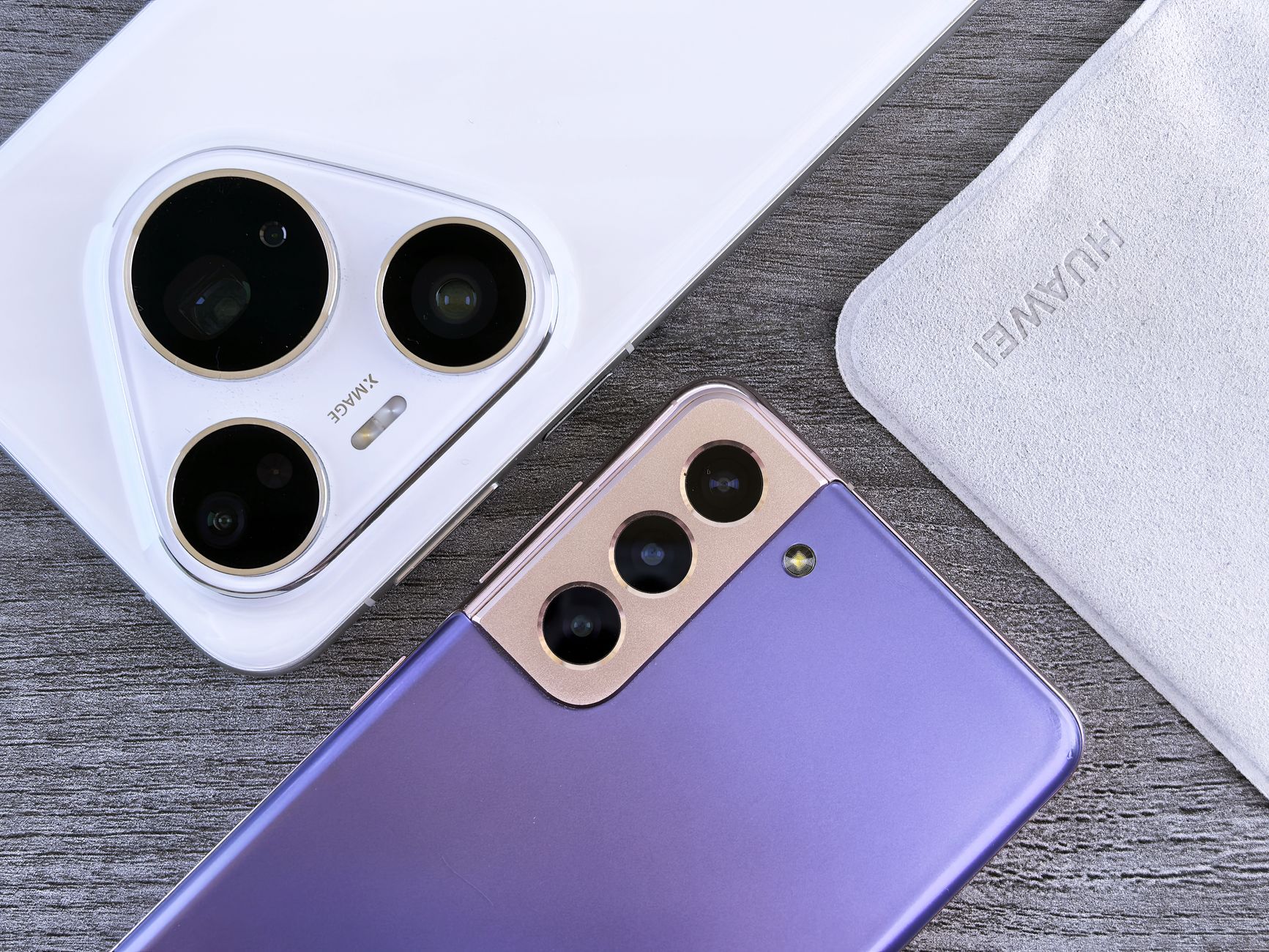
Nobody at Apple, Google, or Samsung is embarrassed by the camera bump anymore. That’s the real shift. For years it was treated as a flaw to be minimised, a few millimetres of shame engineered down with every generation. Now it’s the design language.
Google made the call first with the camera bar on the Pixel 6 in 2021, turning the hump into a stripe and calling it a signature. Apple’s iPhone 17 Pro goes further with a plateau that runs the full width of the back. Samsung’s Galaxy S25 Ultra takes the opposite approach, with individual lenses standing proud of the frame like little periscopes. Three different answers to the same question, and none of them is “make the lens fit.”
The physics are fair. The framing isn’t.
Big sensors and long optical paths need depth, and a phone that’s 8mm thick can’t hide a decent telephoto lens. I accept that. What I don’t accept is the way the trade-off gets sold as aesthetic choice, when it’s closer to a tax on everyone who uses the phone flat on a table.
Tap the corner of a Galaxy S25 Ultra on a desk and it teeters. That’s not a scandal, but it’s a daily small irritation that a spec sheet never mentions.
The case as quiet admission
The case market is where you see how the industry really feels. A good share of cases exist partly to level the surface, with a raised lip that brings the bump flush with the table. Phone makers don’t have to say “we know,” because the accessory shelf says it for them. And since they sell some of those cases themselves, there’s little pressure to change.
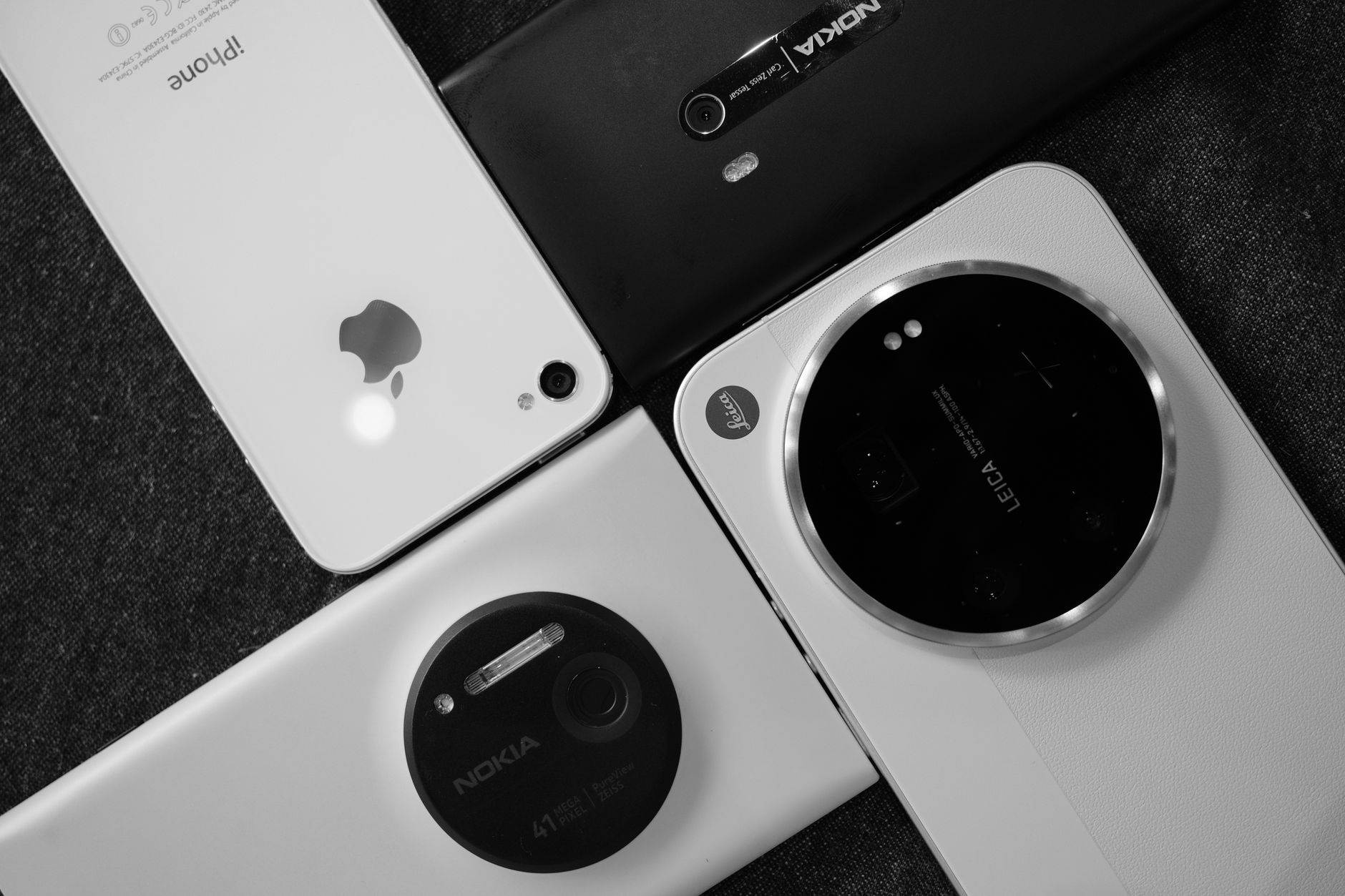
Wireless chargers and tripods
The knock-on effects are boring but real. Charging pads sit slightly off. Cheap tripod clamps grip awkwardly. Magnetic mounts hold fine, because the magnets are doing the work, but that’s a lucky side effect rather than a design win.
What I’d rather see
One maker shipping a flat-backed phone with a smaller sensor and being honest about what you give up. Photography reviewers would punish it, probably, and I’m not sure I’d even buy it myself. But I’d like the option to exist, if only to find out how many people actually care more about the telephoto than the wobble.
Somewhere there’s a number for that, and I suspect the companies already have it.