Chrome OS was mocked for years - fairly, in some respects. The early pitch of ‘everything in a browser’ fell apart the moment you lost your Wi-Fi connection or needed software that didn’t exist in a tab. Critics treated it as a stripped-down compromise for people who couldn’t afford a real computer.
That framing aged badly.
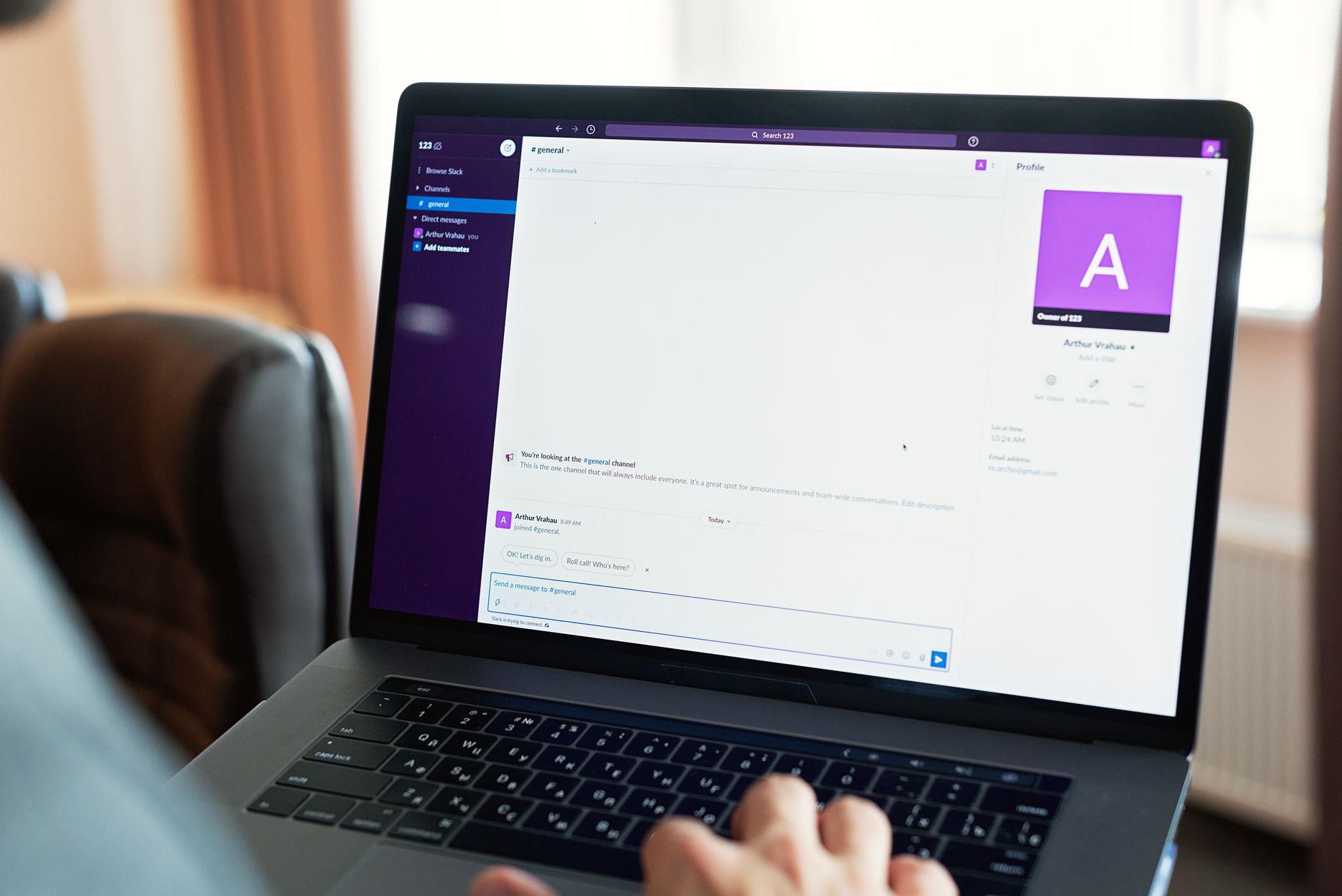
Windows 11 now ships with a browser-based widget layer, runs Progressive Web Apps as first-class citizens, and has quietly absorbed Teams, Outlook, and other productivity tools into shell-style wrappers that are, under the hood, Electron apps - which are browsers. macOS has been nudging users toward web-native workflows for years through iCloud, and Apple’s own apps increasingly look like web technologies rendered natively. The line between ‘app’ and ‘website’ has dissolved not by some dramatic shift, but by slow accumulation.
The thing Chrome OS got right - and nobody wanted to admit at the time - was that most computing is session-based. You open something, you do work, you close it. The operating system underneath matters less and less when persistence lives in the cloud and state is managed by the service, not the machine.
Why This Matters More in 2026

AI assistants embedded directly into browsers have accelerated this. Microsoft’s Copilot sits inside Edge. Google’s Gemini is woven into Chrome on Android and increasingly on desktop. The browser is no longer just a document viewer - it’s where compute happens, where context is maintained, and where the most sophisticated AI interactions occur. The OS is increasingly just a permissions layer and a hardware abstraction.
This isn’t a compliment to Google so much as an observation about where momentum has gone. Chrome OS itself still has the same fundamental weaknesses - it stumbles on professional creative workflows, and Chromebook hardware quality remains inconsistent across manufacturers. Google’s execution has never matched the clarity of the original idea.
But the idea itself has propagated everywhere.
The Part Nobody Admits
The companies now building toward browser-centric computing are the same ones who spent years positioning Chrome OS as a toy. Microsoft’s pivot to cloud-synced, subscription-driven, Electron-wrapped everything is philosophically identical to what Google was proposing in 2011. They just did it without calling it a Chromebook.
The browser won. The operating system is now mostly the thing that boots you into it.