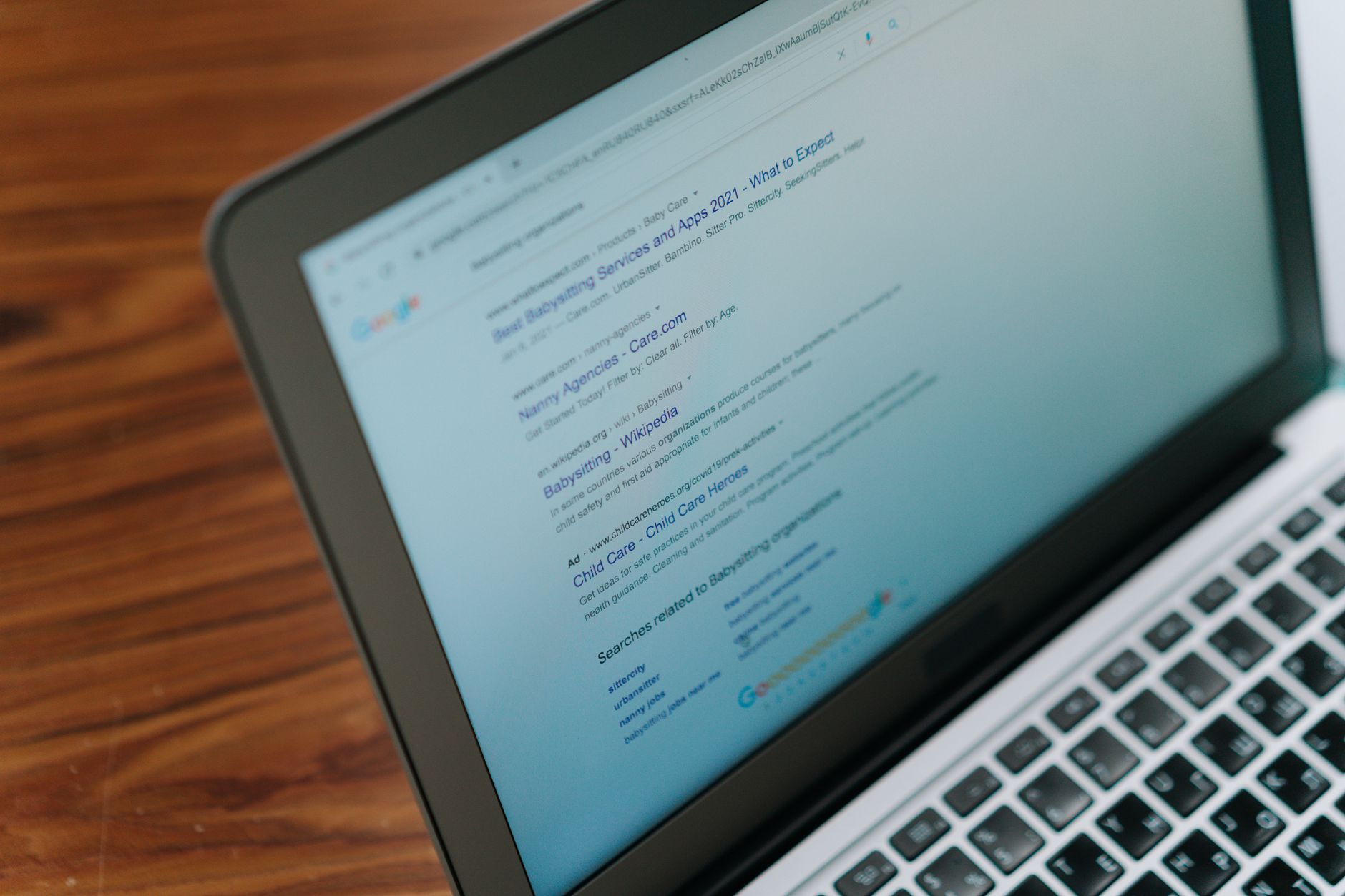
Chrome OS launched in 2011 to near-universal ridicule. The pitch - a laptop that was essentially just a browser - struck most reviewers as a product for people who didn’t know what computers were for. Netbooks had just failed. The idea that you’d willingly choose to do less seemed absurd.
Fifteen years later, the joke has inverted. The browser isn’t a constraint anymore. It’s the platform.
What Actually Changed
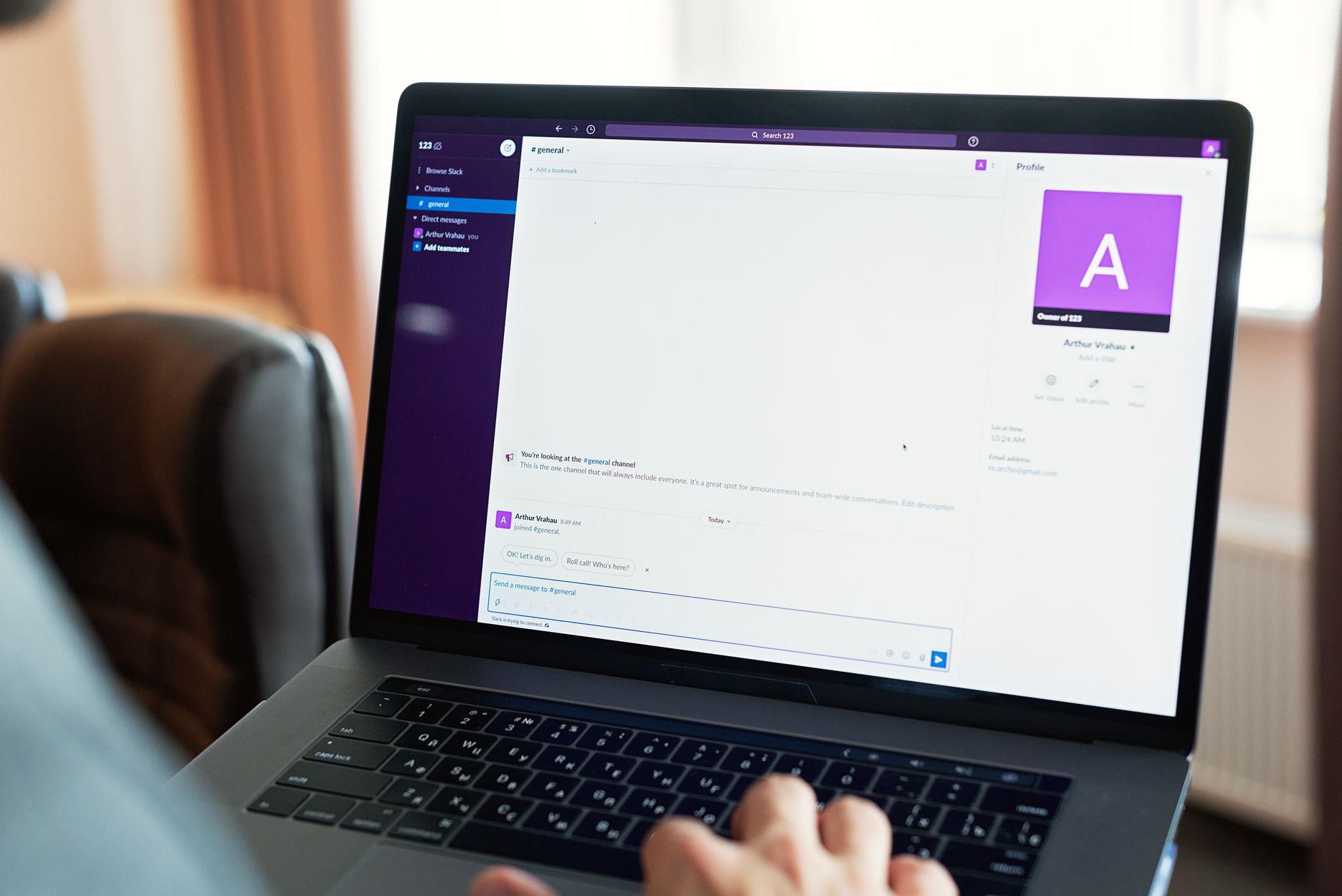
The shift didn’t happen because browsers got smarter in some abstract sense. It happened because specific, formerly desktop-exclusive categories collapsed into web apps one by one. Figma took down years of Sketch dominance without shipping a single native installer. Notion replaced apps that had been staples on the Mac dock for a decade. Linear, Vercel’s dashboard, Retool, Supabase - the tools that professional developers and designers use daily are tabs, not applications.
Microsoft figured this out when it rebuilt Teams as an Electron app and then, more tellingly, when it started shipping its own Chromium-based Edge as the default Windows browser. The company that spent 20 years defending the Win32 application model is now making a browser that’s quietly capable of installing progressive web apps to your taskbar.
The Part Chrome OS Got Wrong
Google’s error wasn’t the concept - it was the timing and the ecosystem. Chrome OS arrived before cloud storage was fast enough, before web apps were capable enough, and before developers had any real incentive to build for the browser first. The hardware was also underpowered at launch, which made every limitation feel like a failure of vision rather than a temporary technical gap.
Chromebooks eventually found their market in education, where the simplicity is a feature. But the mainstream computing audience that Chrome OS was supposed to convert never arrived.
The Operating System Isn’t Dead, Just Demoted
Windows and macOS still matter for specific workloads - video editing, local ML inference, anything that needs sustained access to raw hardware. But for a growing percentage of knowledge workers, the OS underneath is closer to a boot loader than an environment. What they care about is which browser they’re running and whether their tabs restore properly after a crash.
Apple understands this, which is partly why Safari performance on iPhone has been treated as a competitive priority. A slow browser is now a slow computer.
Chrome OS didn’t win. But the idea it was built on - that the browser was the only window that mattered - turned out to be more accurate than embarrassing.