The Browser Is Eating the Operating System, and Chrome OS Already Lost
Google spent years trying to convince people that Chrome OS was the future - a lean operating system that offloaded everything to the browser and the cloud. The pitch was coherent. The execution was fine. And then it became irrelevant, not because it failed, but because every other operating system caught up by accident.
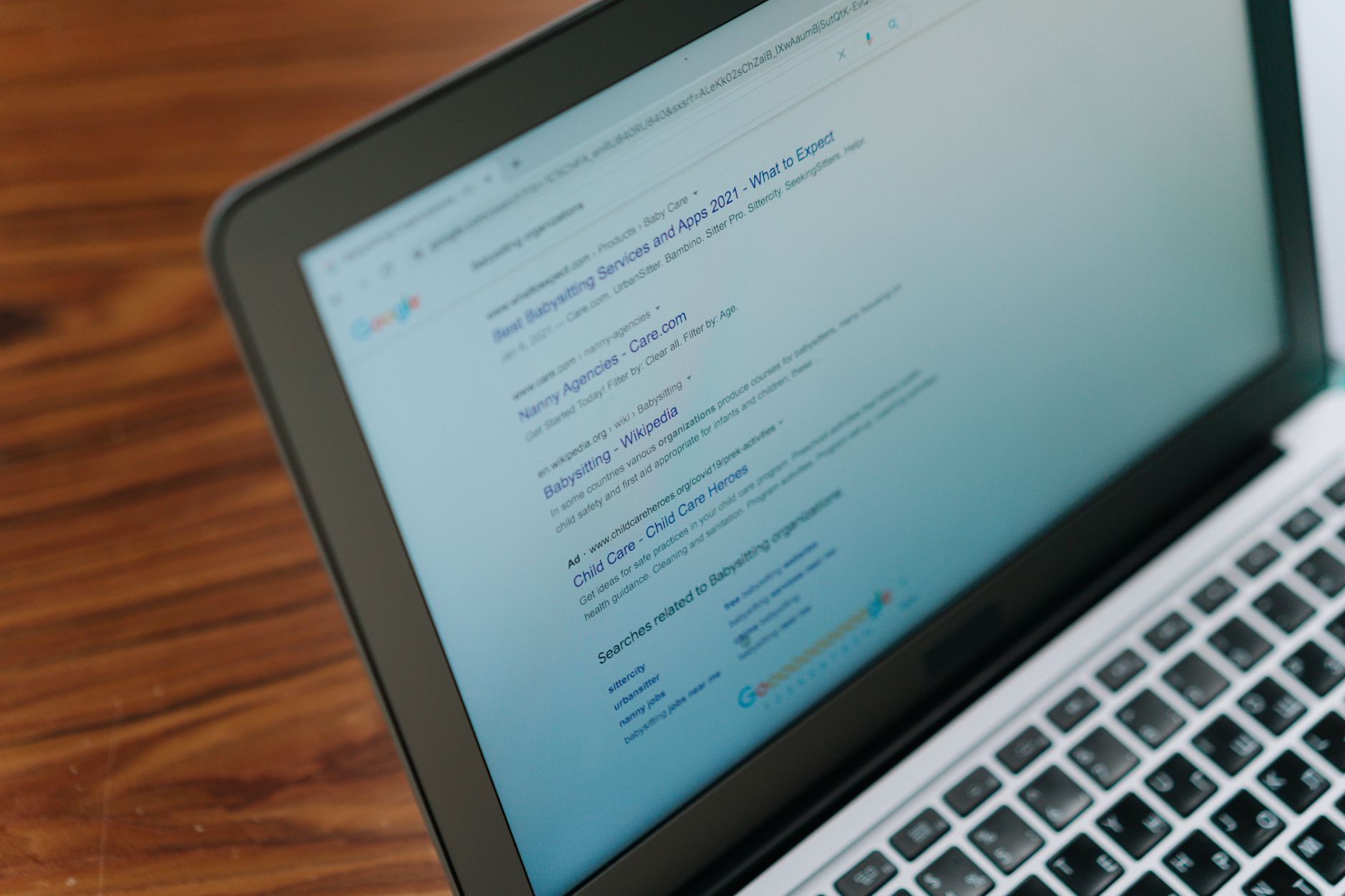
Windows users today run Slack in a browser, edit documents in Google Docs, manage projects in Linear, and call people through browser-based WebRTC apps. Strip away the taskbar and the file manager and what’s left is largely a Chrome window with some system plumbing underneath. The operating system has been hollowed out from the inside, and most people didn’t notice because nothing broke.
What This Actually Means for Microsoft and Apple
Neither company is particularly happy about it. Microsoft’s response has been to double down on integration - forcing OneDrive into File Explorer, baking Teams into the taskbar until users complained loudly enough, pushing Copilot into every surface it can find. The strategy is about keeping users inside Windows-specific features, because the moment your entire workflow runs in a browser tab, you’re one MacBook purchase away from never noticing the difference.
Apple plays a different game. Safari is deliberately slower to implement web APIs that would make progressive web apps feel native. This isn’t conspiracy - it’s strategy, and the EU has been paying attention to it. If the browser becomes fully capable, the App Store loses its gravitational pull.

The Part Nobody Talks About
The real winner here isn’t Google or Mozilla. It’s Chromium, the open-source engine that now underlies Chrome, Edge, Brave, Opera, and Arc. A single rendering engine, maintained largely by Google’s engineers, now runs the dominant share of browser-based computing on the planet. That’s a concentration of infrastructure influence that makes the old Microsoft Internet Explorer monopoly look almost quaint by comparison.
Where This Goes
The trajectory points toward a world where the operating system becomes something closer to a bootloader with a permission model - relevant mostly for security, storage access, and hardware drivers. That’s not catastrophic for consumers. Apps generally work, syncing generally works, and switching devices has gotten dramatically easier.
But it represents a slow, undramatic transfer of power - from OS vendors to browser vendors, and specifically to whichever company controls the engine underneath. Right now, that’s Google. That detail deserves more attention than it gets.