
Most people’s computers now boot into one meaningful application: a browser. Everything else - the file manager, the settings panel, the app launcher - exists to support that single window. That shift didn’t happen by announcement. It happened because the web got fast enough, capable enough, and persistent enough that the underlying operating system became largely irrelevant to daily work.
This is worth being direct about: for a majority of office workers, students, and casual users, ChromeOS already proved the thesis years ago. The Chromebook was supposed to be a budget compromise. It turned out to be a preview. The fact that Windows and macOS still dominate isn’t evidence that people need a full native OS - it’s evidence of switching costs, IT department inertia, and the assumption that “real” computing requires more than a browser.
The native app holdouts are real but increasingly narrow. Video editing, 3D rendering, local machine learning inference, audio production with low-latency hardware - these still demand something closer to the metal. But that’s a smaller slice of actual usage than the software industry’s marketing would suggest. Most people writing documents, managing spreadsheets, joining calls, or editing images lightly are doing it inside a browser tab, often without noticing.
Chrome’s Structural Advantage Is Not Neutral
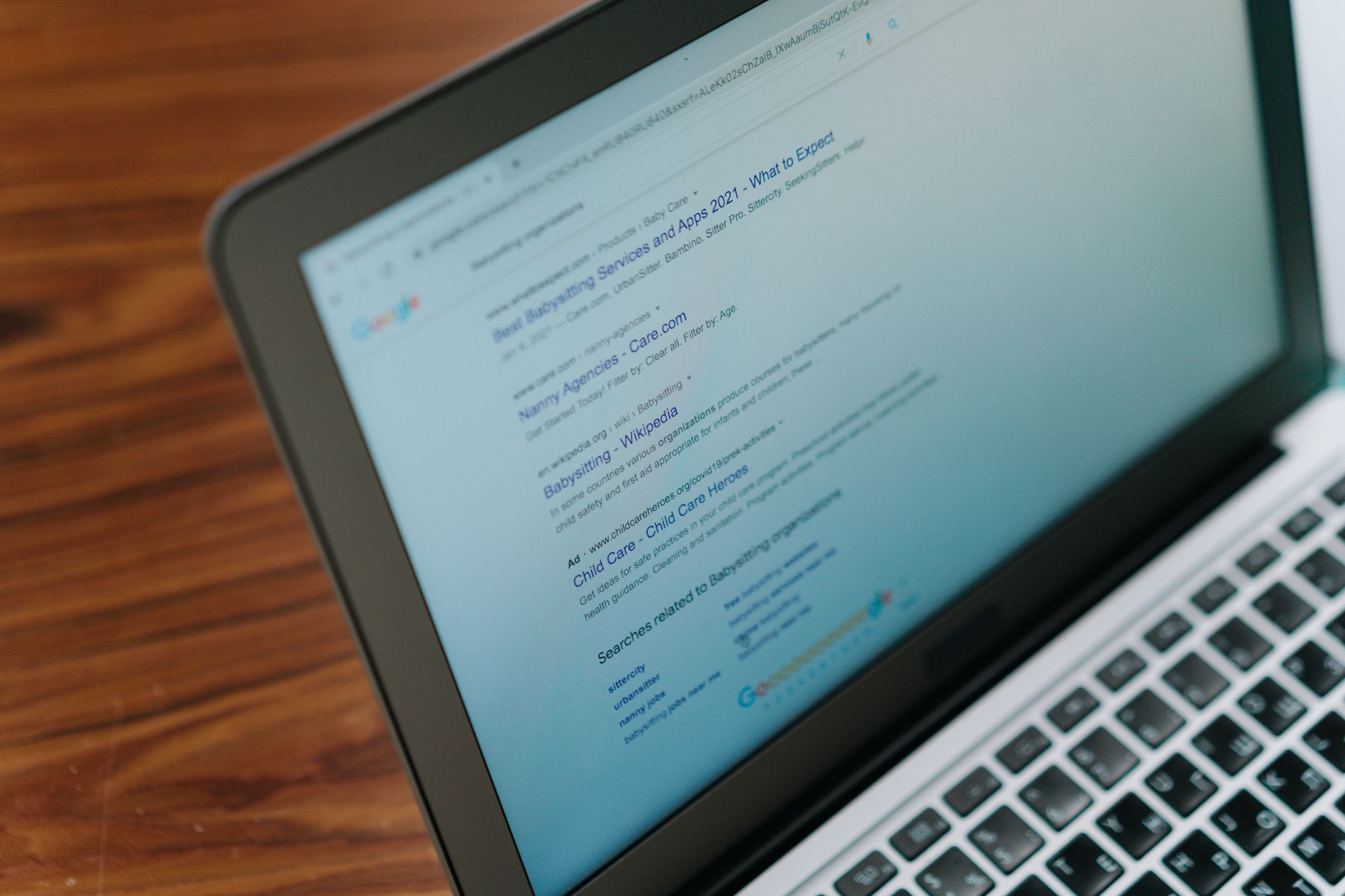
Google’s position here isn’t just market share. Chrome’s developer tooling, its sandboxing model, its PWA (Progressive Web App) support, and its integration with Google’s own services create a feedback loop that makes the web feel like Chrome and Chrome feel like the web. Mozilla has been saying this is dangerous since roughly 2019, and they’re right. The browser monoculture risk is structurally similar to the IE6 era, except this time the dominant browser is owned by the company that also runs the ad infrastructure the entire open web depends on.
Apple’s resistance - keeping WebKit mandatory on iOS, limiting PWA capabilities on Safari - is partly self-interest, but it’s also the only real structural friction keeping native apps commercially viable on mobile. Remove that friction and the App Store’s revenue model collapses within a product cycle.
The OS Vendors Noticed Late
Microsoft’s response has been to make Windows itself more browser-adjacent - the Teams integration, the widgets panel pulling web content, the push toward web-based versions of Office. It reads less like strategy and more like accommodation. They watched the browser win and started decorating around it.
The operating system isn’t dead. But it has been reassigned. It’s infrastructure now - the thing that boots so you can open Chrome.