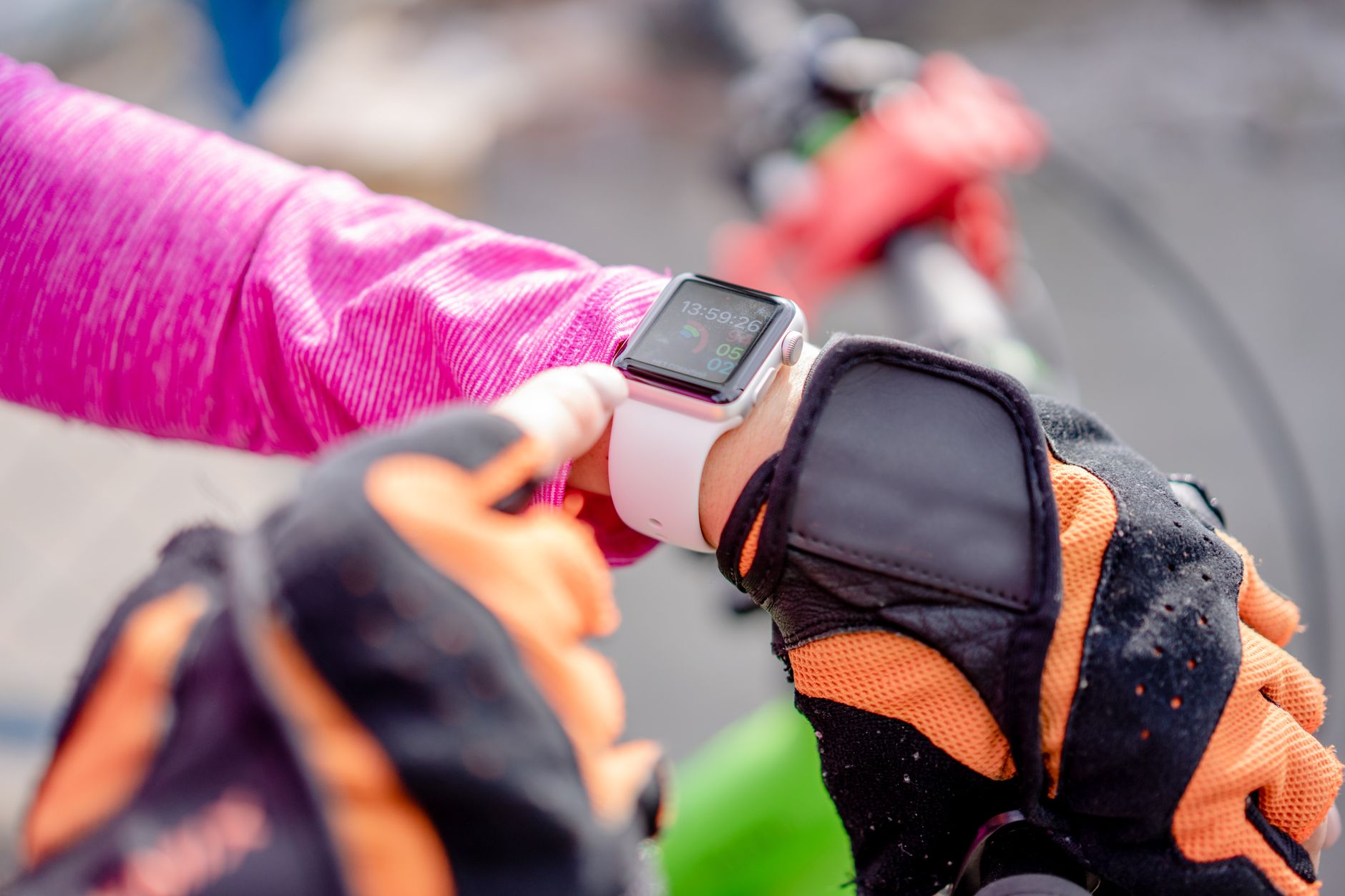
The Apple Watch Ultra 3 ships with a quoted 72-hour battery life in low-power mode. Apple puts that number front and center, and it sounds genuinely compelling - especially against the Series 10, which still gets you through roughly 18 hours if you’re not careful. The problem is that 72 hours describes a watch doing almost nothing, worn by someone doing almost nothing.
Switch on the always-on display, run a two-hour GPS trail session, and use the precision dual-frequency GPS that the Ultra line actually exists to provide - and the numbers collapse fast. Real-world endurance for someone using the Ultra as it’s marketed, with outdoor workouts tracked in full fidelity, sits closer to 35–40 hours in practice. That’s still better than the Series 10. It’s not 72 hours.
This isn’t unique to Apple. Marketing battery figures against best-case conditions is standard industry behaviour, from phone makers to laptop manufacturers. What makes it sting more with the Ultra 3 is the price point. At $799, buyers aren’t hobbyist joggers who might forgive the gap between claimed and real. They’re serious endurance athletes and backcountry users who are making decisions based on that number - decisions that have consequences when you’re two days into a trail and your watch dies at hour 38.
The Hardware Is Otherwise Genuinely Good
The titanium case remains one of the better industrial objects Apple makes. The sapphire crystal front glass has held up without scratches in extended testing reported by multiple outlets since launch. The Action Button, which Apple has refined across Ultra generations, is now easier to press with gloves on - a small change that matters in the field more than spec-sheet features do.
The S10 chip inside brings faster on-device processing, and watchOS 11 features like the Vitals app and training load tracking are legitimately useful for endurance athletes rather than just decorative wellness features.
Who Actually Needs This Watch
The Ultra 3 earns its place for a specific person: someone doing multi-day events where they’ll sleep with the watch and need 48-plus hours of light tracking - sleep data, occasional GPS pings, heart rate monitoring without continuous workout sessions. Ironman athletes waiting in transition areas. Hikers who track waypoints but aren’t logging every step as an active workout.
For daily use with serious training sessions, you’re likely charging every night anyway. At which point the question of whether you need an Ultra over a Series 10 - at $400 less - is harder to answer than Apple’s marketing suggests.
The watch is well-made and the ecosystem is mature. Whether the gap between the marketed battery figure and the lived one matters to you depends entirely on why you thought you needed an Ultra in the first place.