After about three weeks with the Apple Watch Ultra 3, I stopped checking the battery percentage. That sounds like a compliment, and it mostly is, but it also reveals something Apple probably doesn’t want to admit: the battery story on the Ultra line has plateaued into irrelevance.
The Ultra 3 ships with Apple’s claim of up to 72 hours in low-power mode. In practice, across mixed use - GPS tracking on morning runs, always-on display, sleep tracking, the occasional LTE call - I was getting somewhere between 48 and 55 hours before needing to charge. That’s genuinely good. For a device I’m wearing continuously, two full days without hunting for a charger is a threshold that meaningfully changes behavior.
But here’s the problem: the Ultra 2 already crossed that threshold.
Apple doesn’t publish exact battery capacity figures, but independent teardowns of the Ultra series have consistently shown incremental cell size changes, not generational leaps. The real improvements in endurance have come from chip efficiency - the S10 SiP in the Ultra 3 draws less power than its predecessor under comparable workloads. That matters. It’s just not the headline Apple keeps writing.
The titanium case still earns its price
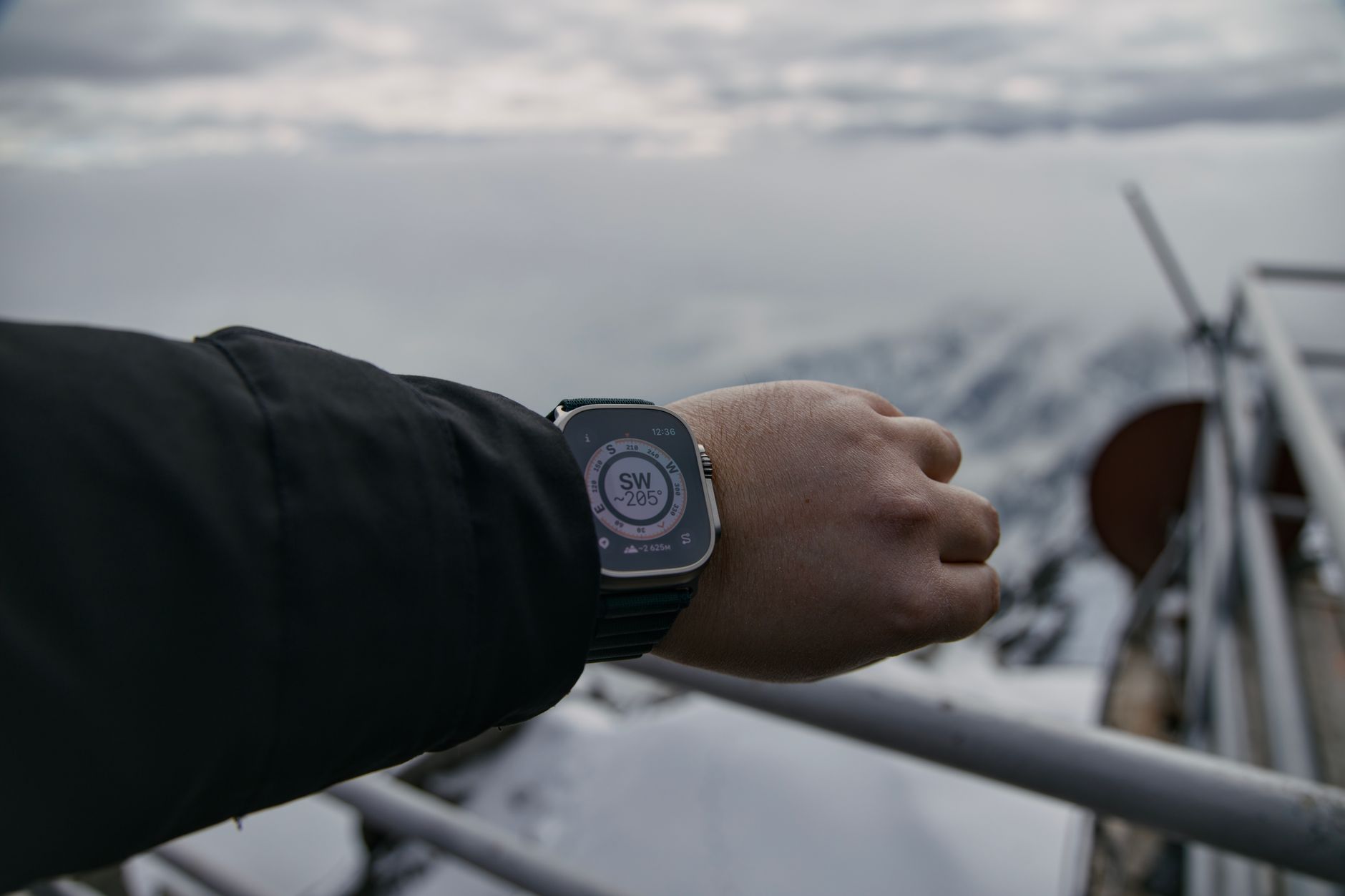
What actually distinguishes the Ultra 3 in hand isn’t stamina - it’s the refinement of a form factor that has aged surprisingly well since 2022. The 49mm case remains polarizing for smaller wrists, but the flat sapphire crystal and the action button placement feel considered in a way that the standard Apple Watch series never quite manages. Using both in the same week makes the standard watch feel slightly provisional by comparison.
The new double-tap gesture expansion is more useful than I expected. Dismissing timers and controlling workout tracking without touching the screen sounds minor until you’re mid-set in a gym and your hands aren’t free.
The real competition isn’t Garmin anymore
Garmin’s Fenix 8 and Epix Pro lines still beat the Ultra 3 on raw battery life for serious endurance athletes - solar charging on some Garmin models extends runtime into weeks, not days. But Garmin doesn’t run watchOS, doesn’t integrate with iPhone the way the Ultra does, and doesn’t have the health sensor suite Apple has built up over the last three hardware generations.
The Ultra 3 isn’t trying to win on any single specification. It’s consolidating a position where the battery is no longer a weakness, the sensors are class-competitive, and the software ecosystem is simply unmatched on the wrist. That’s a harder thing to argue against than any benchmark.