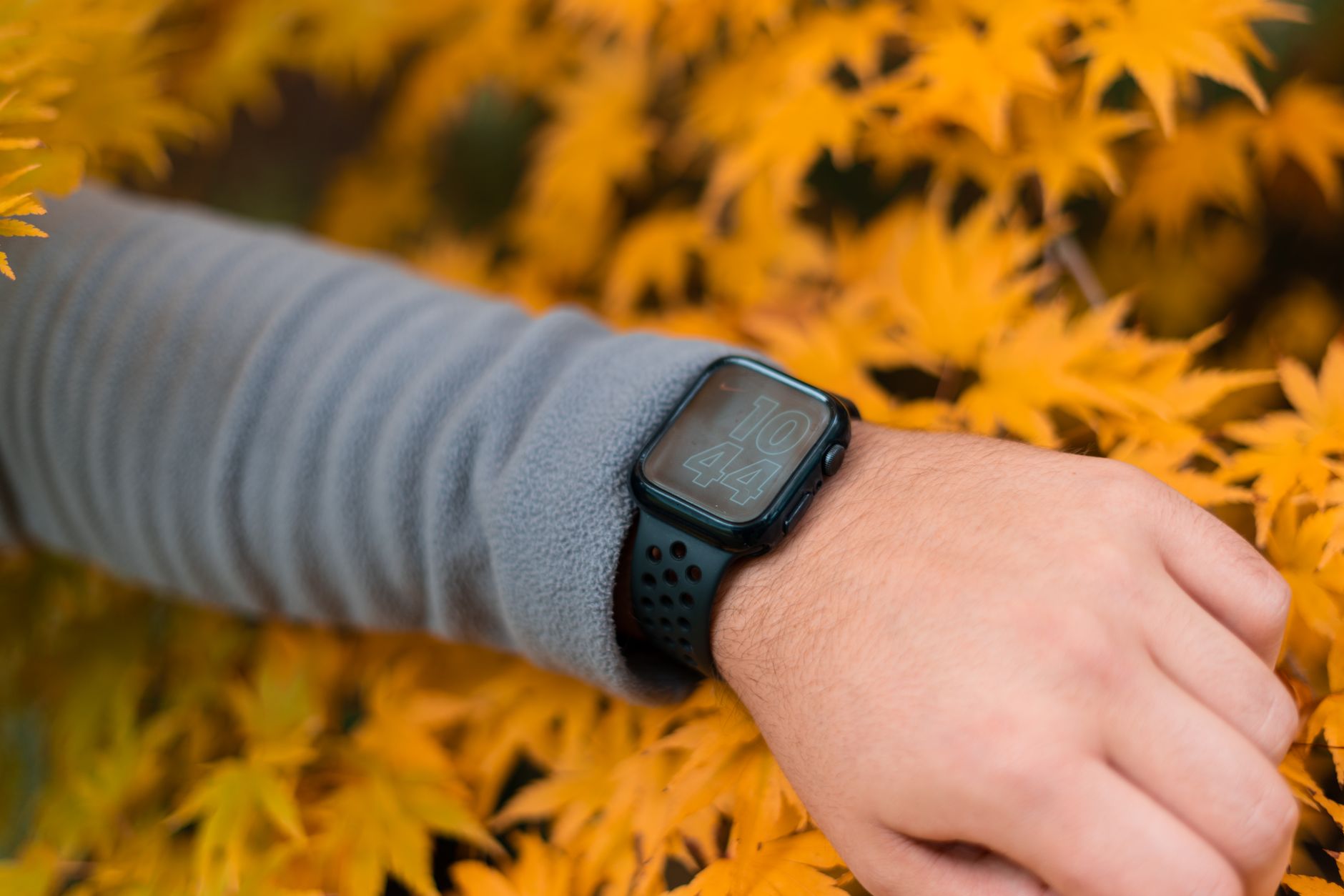
Eighteen months of daily wear on an Apple Watch Ultra 2, and the case looks like it came out of the box last week. That shouldn’t be normal. Every stainless steel Apple Watch I’ve owned turned into a scratch magnet within the first month - not catastrophically, but noticeably. The kind of micro-scratches that catch light at the wrong angle and remind you that you paid $400 for a wrist computer you’re slowly destroying.
Titanium sits at grade 5 here, which is the same alloy used in aerospace and medical implants. It’s not just marketing language. The material genuinely resists surface scratching better than stainless steel, and it’s lighter. The Ultra 2 comes in at 61.4 grams, which sounds heavy on paper but distributes well enough that most people stop noticing it within a week.
What I didn’t expect was how well the flat sapphire crystal on the display face would hold up alongside it. I’ve knocked this watch against door frames, tool boxes, and once a concrete wall. Nothing. The original Apple Watch Series 6 I wore before this had a cracked Ion-X glass screen after a single unlucky hit against a granite countertop.
The Part That Actually Frustrates Me
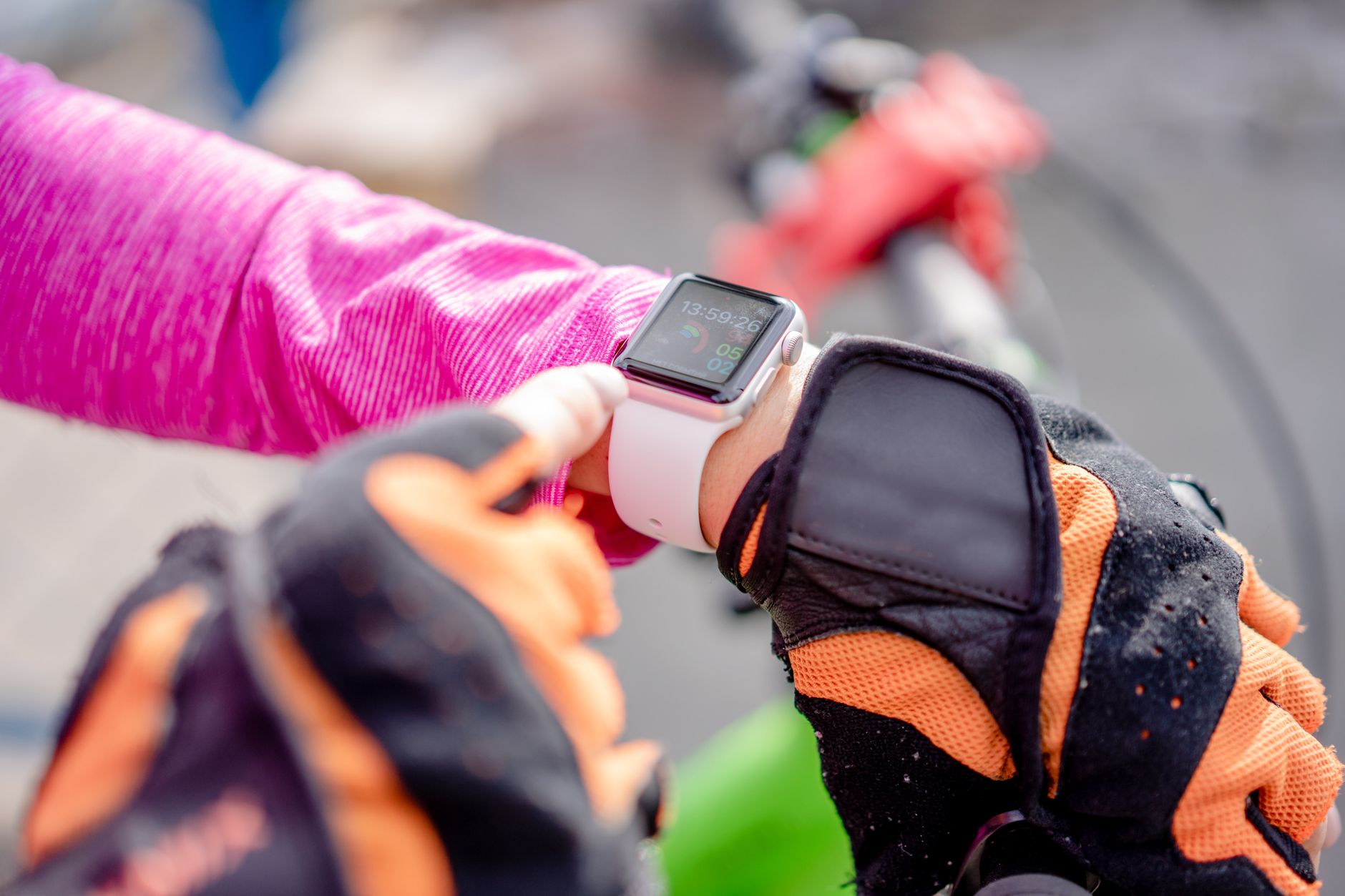
The bands. Apple still charges an absurd premium for first-party bands, and the Ultra’s 49mm lug size means third-party compatibility is inconsistent. The included Alpine Loop is legitimately well-made - the woven nylon holds shape, the G-hook closure doesn’t slip - but at $99 for a replacement, it’s hard to recommend buying spares. Generic Amazon alternatives for the Ultra size range from fine to genuinely terrible, and there’s no reliable way to know which until it’s on your wrist.
Battery Life Is Still the Real Argument
The Ultra 2 gets roughly 60 hours in standard mode, more with low-power settings. That changes the relationship you have with the watch. With a Series watch, charging becomes a nightly ritual you build your routine around. With the Ultra 2, you charge it when you think of it, not because you have to. After 18 months, the battery still hits close to its original rated capacity - Apple’s battery health tools show it at 94%, which tracks with typical lithium-ion degradation.
The Ultra 2 costs $799. That’s a lot. But the sticker price looks different when you’re not replacing it in two years because the case is destroyed or the battery is dead. Whether that math works for you depends entirely on what you actually do with it - desk worker math is different from trail runner math. For the former, it’s probably overkill. For the latter, it’s one of the few pieces of wearable hardware that earns its price through durability alone.