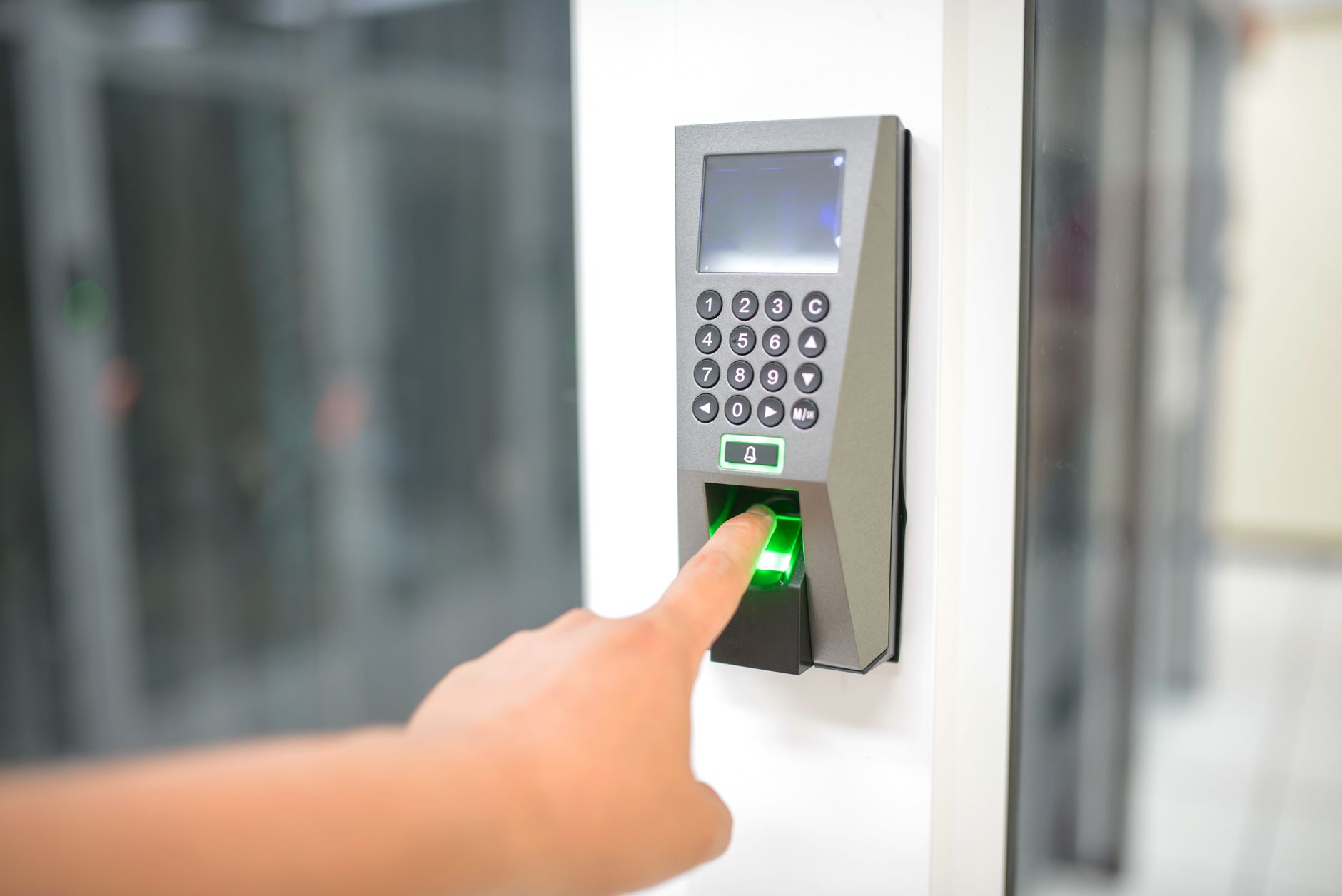
The security argument for passkeys is over. Passkeys use public-key cryptography, the site only ever stores a public key, and the credential is bound to the real domain, so a convincing fake login page has nothing to steal. A password can be typed into a lookalike site. A passkey can’t. If you’re still arguing about this, you’re arguing with the math.
The argument that’s actually live is about who holds the thing.
Your passkey lives somewhere, and that somewhere has an owner
When you create a passkey, it gets saved to iCloud Keychain, Google Password Manager, a Microsoft account, or a third-party manager like 1Password or Bitwarden. Each of those is a perfectly reasonable place for a credential. Each is also a place that’s much easier to enter than to leave. Passwords were ugly, but they were portable: you could copy one into any manager on earth. A passkey that’s trapped in one ecosystem turns a security feature into a switching cost.
I don’t think that’s a conspiracy. It’s what happens when a standard ships before the plumbing around it. But the incentives are obvious, and a platform that holds your logins for a dozen years has little reason to hurry the exit door.
The standards work is the story to watch
The FIDO Alliance has been developing a credential exchange standard so passkeys can move between providers. That work matters more than any new login screen. If it lands properly and every major vendor implements it without caveats, passkeys become what they were supposed to be: boring infrastructure. If it lands halfway, we get the familiar pattern of an export button that technically exists and practically never gets used.
The weak link was never the passkey
Here’s the part the “passwordless future” pitch tends to skip. Most accounts still have a recovery path, usually an email link or an SMS code, and an attacker only needs the weakest door. A phishing-proof credential sitting in front of a phishable reset flow is a steel door bolted to a tent. Until services are willing to make recovery harder, and users are willing to tolerate that, the gains are partial.
What I’d do today
Use passkeys wherever a site offers them, but save them in a manager you could realistically leave, not just the one your phone pushes by default. Treat the choice of vault as a long-term decision, because that’s what it is.
The cryptography was the easy part. Getting competing companies to share custody of your identity is the hard one, and it’s still unresolved.