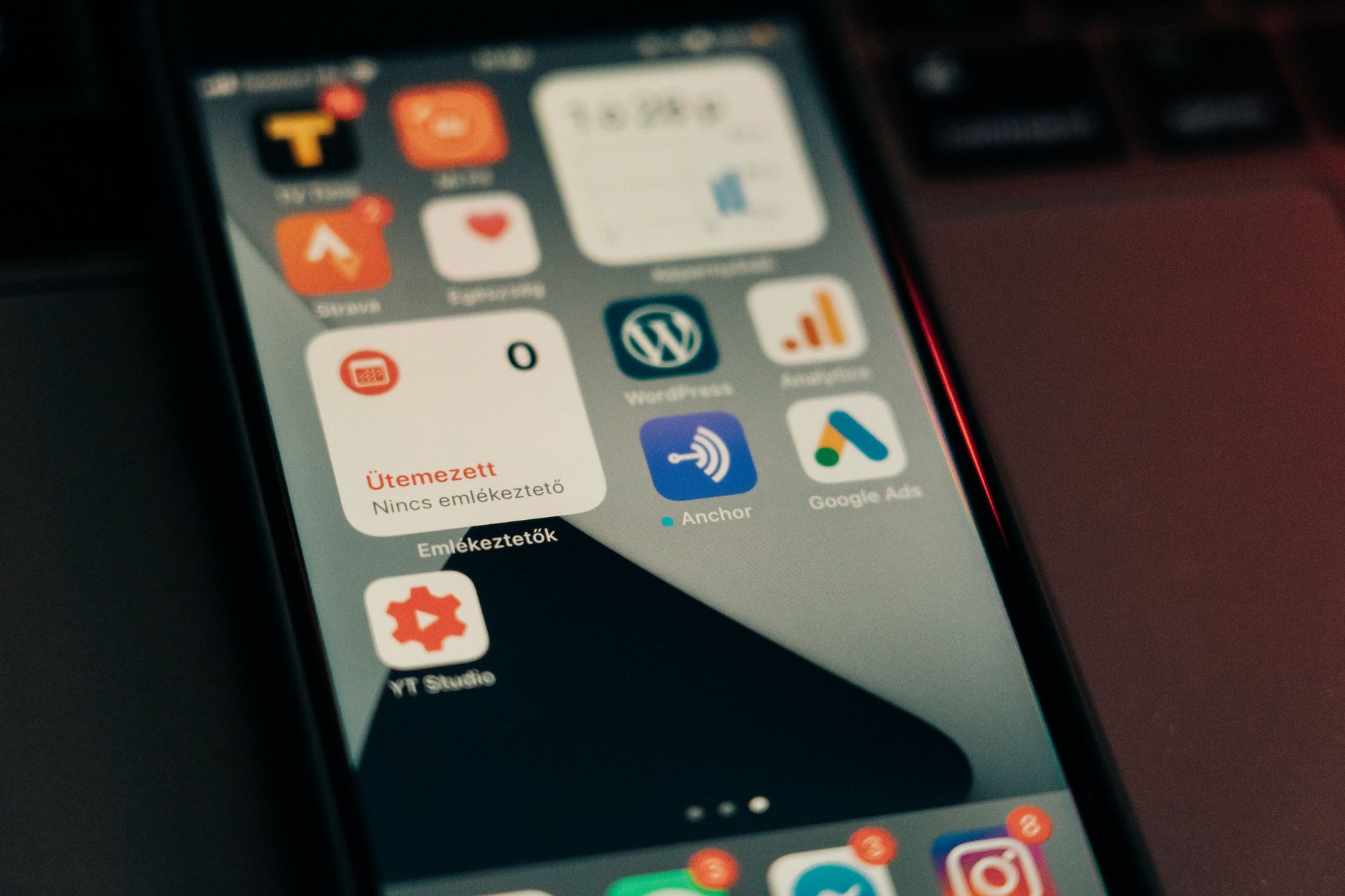
Every app on your phone is competing for the same 200 milliseconds - the window before you decide whether to engage or dismiss. That’s not an accident. It’s the result of years of deliberate design work by teams whose performance metrics are tied directly to how often they can pull you back in. The notification, once a utility, is now the primary delivery mechanism for compulsive engagement.
How It Stopped Being a Tool
The original logic of push notifications was genuinely useful: be interrupted only when something time-sensitive happens. A calendar reminder. A direct message from someone you know. A flight delay. That logic still technically applies, but it’s been so thoroughly colonized by marketing pings, engagement prompts, and “you haven’t checked in a while” nudges that the signal-to-noise ratio has collapsed.
Android and iOS both introduced granular notification controls years ago, and both have continued refining them - iOS 15 brought Focus modes, iOS 16 added notification summaries, Android 12 and beyond have offered increasingly detailed permission tiers. None of it has meaningfully changed behavior at scale, because the burden of configuration always falls on the user. Opting out requires active effort; opting in is the default.
What’s changed more recently is the move toward AI-assisted triage. Apple Intelligence’s notification summarization in iOS 18 attempts to collapse redundant alerts into digests. Google’s similar features on Pixel devices do roughly the same. The pitch is that AI will manage the noise you’ve been unable to manage yourself. Which is a strange admission: the platforms that allowed this problem to compound are now selling the solution.
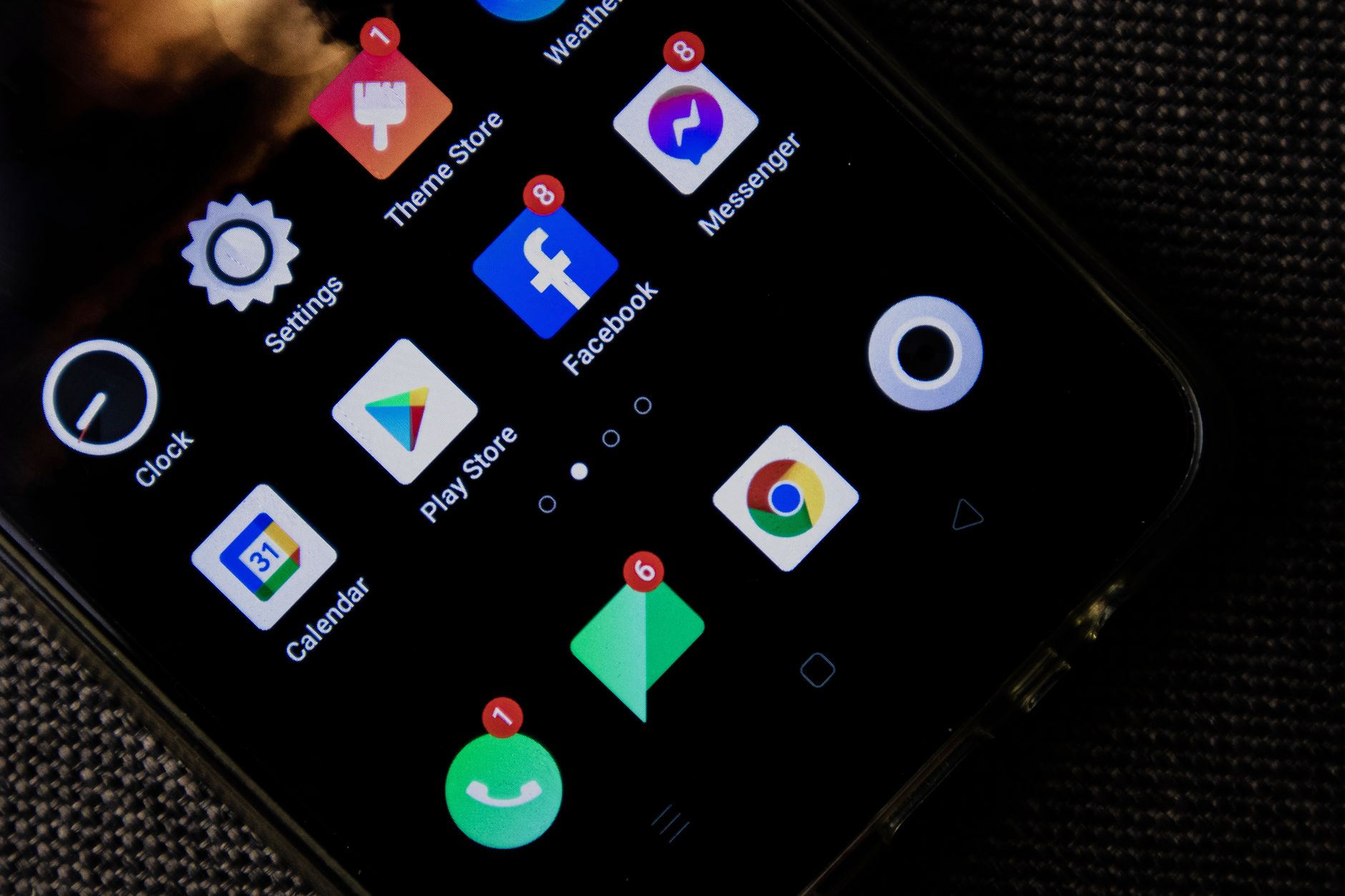
The Attention Economy Has a Hardware Layer
There’s a dimension to this that rarely gets discussed: notification volume benefits device upgrade cycles. A phone that feels overwhelming is a phone you might replace. A wearable that surfaces alerts from your phone adds another touchpoint - and another reason to check, then dismiss, then check again. The attention economy doesn’t just live in software. It’s baked into the form factors we’ve normalized.
Smartwatches and rings now vibrate on your wrist for emails you won’t answer for three hours. That haptic tap isn’t neutral. It trains the body to expect interruption.
The Part Nobody Has Solved
Default-on notification permissions, combined with apps that treat any re-engagement as a win, create a system that’s structurally resistant to the fixes being proposed. AI triage helps at the margins. What it doesn’t address is why the underlying incentive - grab attention, any attention - remains entirely intact.