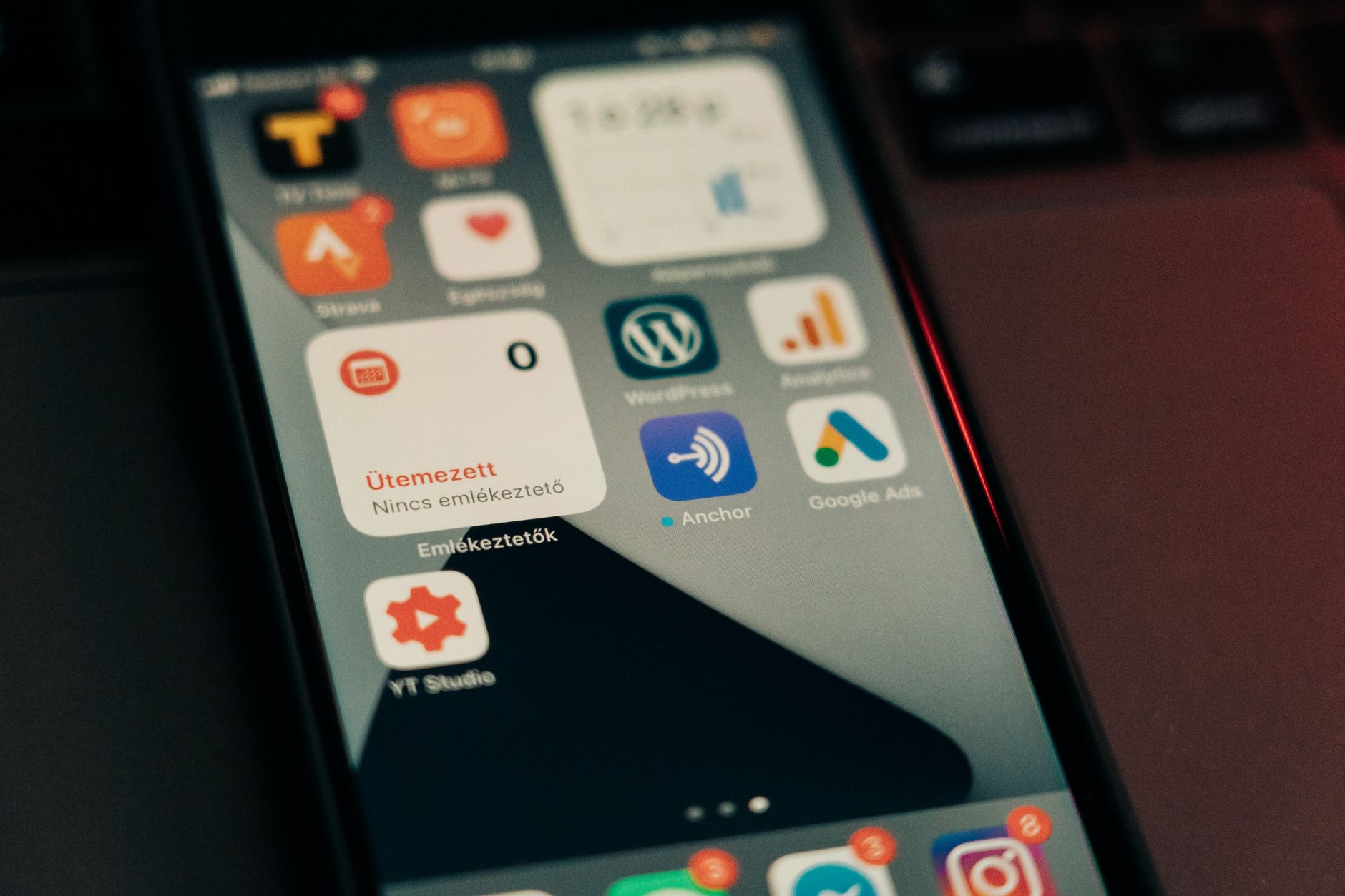
The number sitting on your email app right now is not useful information. It might say 4,847. It might say 12. Either way, it tells you nothing about urgency, nothing about sender, nothing about whether any of those messages require a response before the heat death of the universe. The notification badge - that red circle with a number inside - is arguably the most successful piece of manipulative UI ever shipped at scale, and the tech industry has spent fifteen years iterating around it rather than rethinking it.
The Badge Was Always a Retention Mechanism
Apple introduced app badges with iPhone OS 3.0 in 2009. The original intent was reasonable: let apps signal state changes without running in the background. But the incentive structure for developers immediately warped it. An unread count looks like something that needs clearing. Clearing it requires opening the app. Opening the app drives engagement metrics. Engagement metrics determine whether your app survives on the store.
This is not a conspiracy - it’s just how incentives work. But the result is a UI element that has been systematically weaponised. Social apps don’t show badges when you have a genuinely important message; they show them when the algorithm has decided it’s been too long since you last visited.
The “Do Not Disturb” Workaround Isn’t a Solution
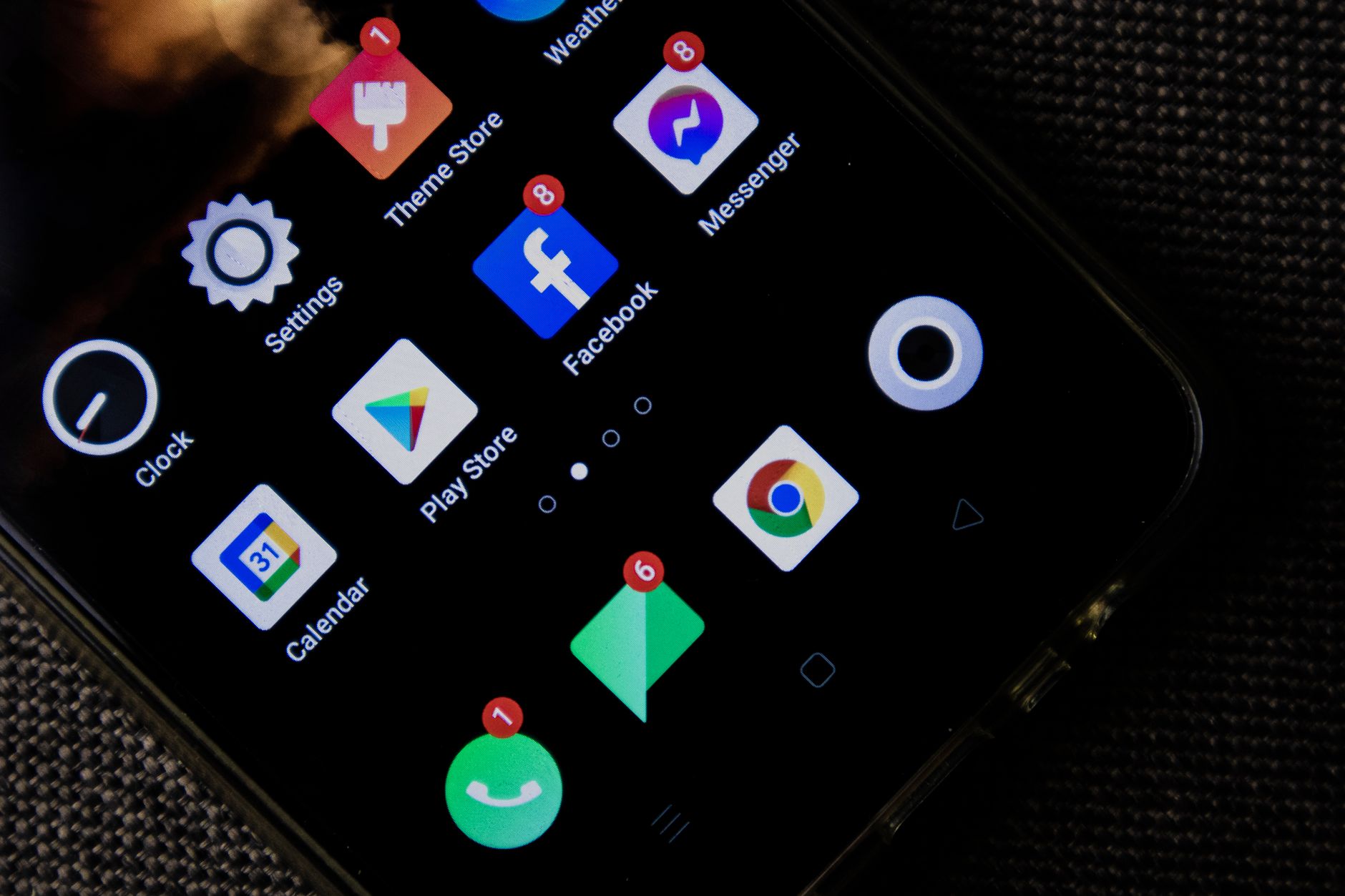
The standard tech-savvy response is to turn badges off, manage Focus modes, and generally spend thirty minutes inside Settings doing the work that the OS should do by default. That’s a reasonable power-user move. It’s also an admission that the default configuration of every major mobile OS is designed against the user’s attention rather than in service of it.
Android and iOS have both added notification bundling, scheduled summaries, and relevance sorting over the years. These are improvements. They don’t address the root problem, which is that the badge count itself communicates almost nothing actionable.
What Better Would Actually Look Like
A badge that distinguished between “someone replied to you directly” and “an app wants you to know it exists” would be a start. Not a harder problem than on-device AI summarisation, which both Apple and Google are already shipping. The technical capability is there.
The reason it hasn’t happened is that a more honest badge system would reduce app opens. Platform holders profit from developer relationships, and developers profit from engagement. Users are the last party whose interests get weighted in that negotiation.
The red dot isn’t broken by accident.