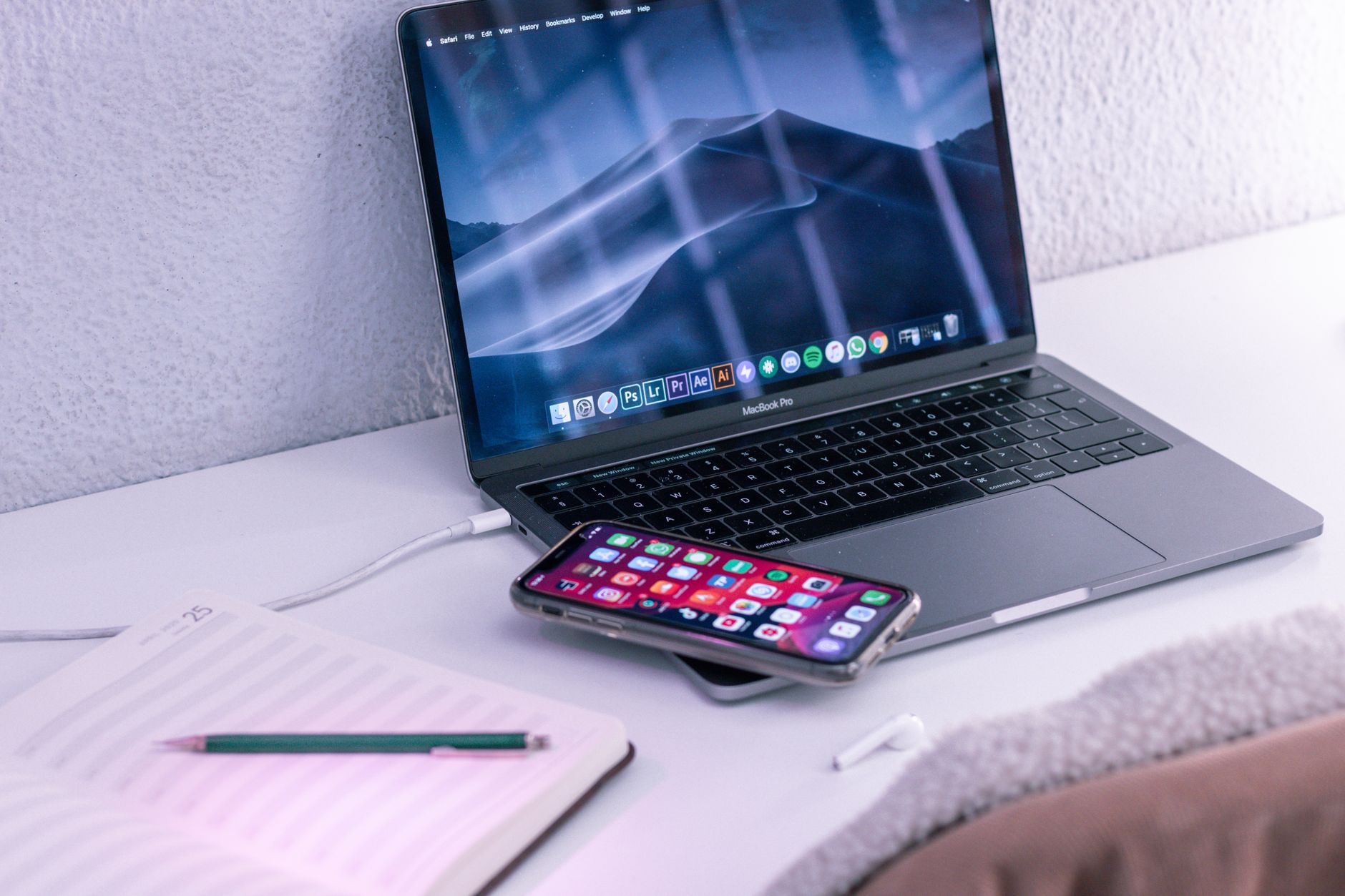
The Anker MagGo 3-in-1 Wireless Charging Station (Qi2) has been sitting on my desk for about six weeks now, and I’ve stopped thinking about charging - which is exactly the point, and rarer than it should be.
Most multi-device charging pads fail in one of two predictable ways: the MagSafe puck is too weak to actually hold a phone at a useful angle, or the Apple Watch charger is positioned so close to everything else that heat becomes a real concern overnight. Anker avoided both. The magnetic hold on the phone arm is firm enough that you can tap the screen without the whole thing wobbling, and the Watch cradle sits on its own small platform with enough physical separation to breathe. These aren’t design flourishes - they’re engineering decisions that most of Anker’s competitors apparently still consider optional.
Qi2 certification matters more than the marketing suggests. Because the station uses the Qi2 standard rather than a proprietary implementation, it delivers the full 15W to compatible iPhones without requiring an Apple-branded cable in the chain. That sounds obvious. It isn’t. A significant number of third-party MagSafe-adjacent chargers quietly throttle to 7.5W unless you’re using specific cables or adapters, and they don’t always tell you. Anker’s station doesn’t play that game.
The one thing that still bothers me
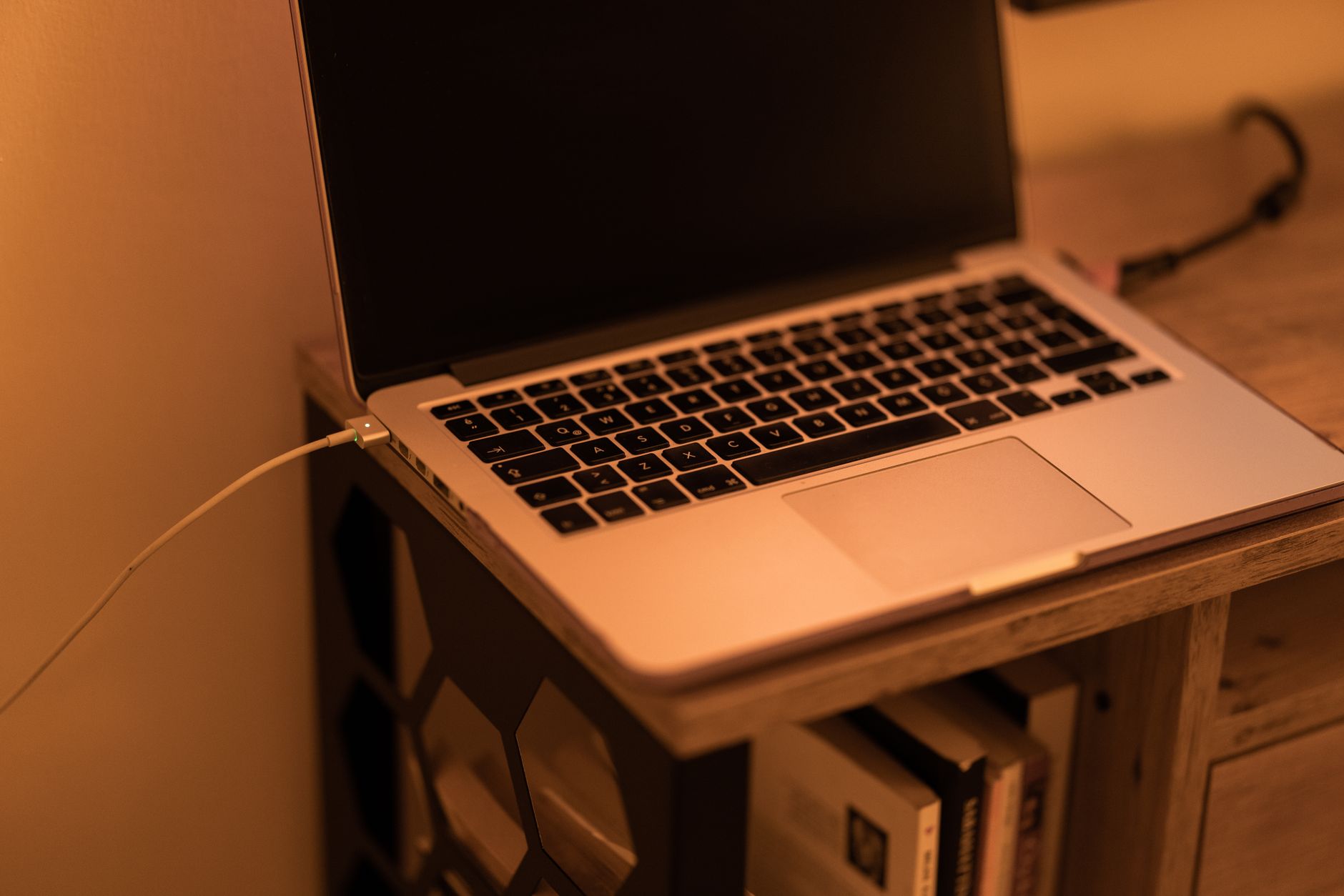
The braided cable is fixed - it exits the base and terminates in USB-C, which then goes to the included 67W GaN brick. You cannot swap the cable if it wears out. For a product in this price range (it retails around $90 USD), that’s a frustrating call. The GaN adapter is genuinely good and compact, but being locked into this specific cable-and-brick pairing means a frayed cable eventually becomes a more expensive problem than it should.
The AirPods pad on the base charges any Qi-compatible case, not just AirPods, which is a small but real convenience if you’re running mixed-brand earbuds in your household.
What’s interesting is that after six weeks, the question I keep coming back to isn’t whether this charger is good - it clearly is - but whether the Qi2 ecosystem has finally matured enough that a single well-made station can just quietly handle everything. For most iPhone and Apple Watch users, the answer is probably yes. Whether that same statement holds as Android Qi2 adoption catches up is something the next year will sort out.