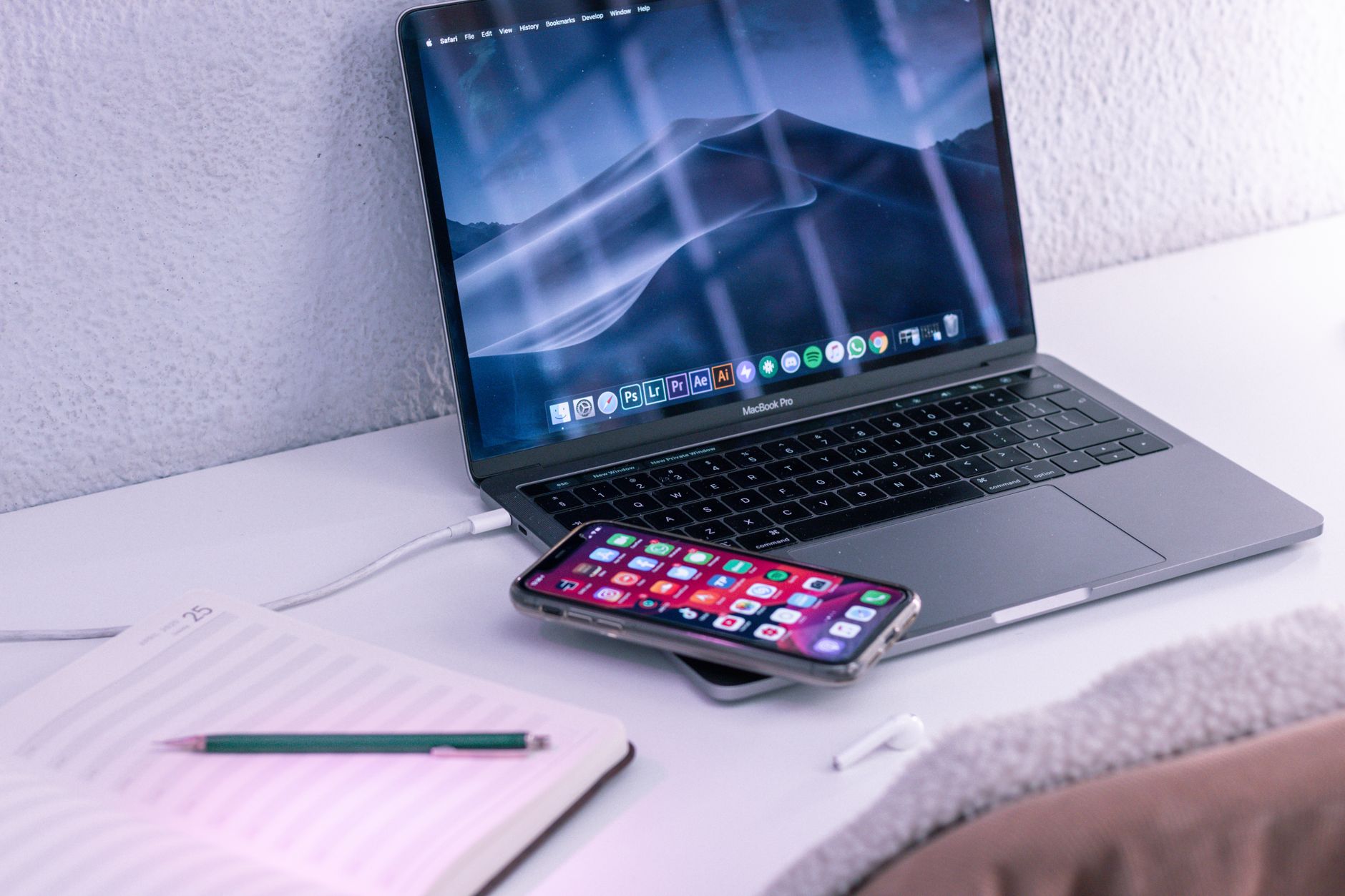
The Anker MagGo 15W Qi2 charging pad costs around $22. The Apple MagSafe charger costs $39. They charge a Qi2-compatible iPhone at identical speeds. That gap should bother more people than it does.
Anker has been quietly making the best commodity phone accessories for years - cables, wall bricks, battery packs - and the MagGo Qi2 pad continues that tradition without doing anything flashy. The puck snaps onto the back of an iPhone with the same satisfying thud as Apple’s own hardware. It delivers 15W consistently. The cable is braided. The build feels slightly plasticky at the base, but the charging surface itself is solid, and the magnet alignment is accurate enough that I’ve never had it fail to latch properly in several months of daily use.
What it doesn’t do: charge an Apple Watch, which the more expensive MagGo stands and docks handle. If you want a bedside all-in-one, look at the 3-in-1 MagGo lineup. This is purely the flat pad, and it’s priced to match that narrow scope.
The MagSafe Tax Is Real
Apple’s MagSafe charger has one practical advantage over third-party Qi2 pads: it works with older MagSafe-compatible accessories that rely on Apple’s authentication chip. That’s a narrow edge that applies to almost nobody who’d be reading a review like this.
For everyone else, paying $39 for the Apple puck is essentially a brand tax. Qi2 - the open standard that Apple helped develop and that launched in 2023 - delivers the same 15W ceiling on iPhones without requiring Apple’s hardware. Anker’s pad is certified Qi2. The spec is the spec.
One Genuine Annoyance
The cable terminates in USB-A. In 2026, that’s a small but real frustration when virtually every power brick worth owning prioritizes USB-C. Anker sells a USB-C variant, but it’s stocked inconsistently and sometimes priced higher. This is the one thing they should fix universally across the lineup.
Aside from that, the MagGo Qi2 pad does what wireless charging is supposed to do: you put the phone down, it charges, you don’t think about it again. The premium for the Apple version buys you a logo and a slightly longer cable. That’s not nothing, but it’s close.