The most dangerous version of an AI assistant isn’t one that refuses to answer. It’s one that answers fluently when it shouldn’t.
Over the past year, there’s been a quiet but measurable shift in how large language model products handle uncertainty. Early versions of ChatGPT, Claude, and Gemini would hedge noticeably - sometimes excessively - qualifying their outputs with reminders that they could be wrong, or flat-out declining to speculate. That behavior is becoming rarer. The products have been tuned, through user feedback and commercial pressure, to feel more decisive. More assistant-like. The problem is that feeling decisive and being accurate are not the same thing, and the gap between them is where misinformation quietly breeds.
The Confidence Problem Is a Product Decision
This isn’t an accident of training data or a flaw in the underlying models. It reflects choices made by product teams responding to real user behavior: people rate confident answers higher than hedged ones, even when the hedged answer is more honest. If your feedback loop is built on user satisfaction scores, you will systematically train your model to project certainty. That’s what’s happened.
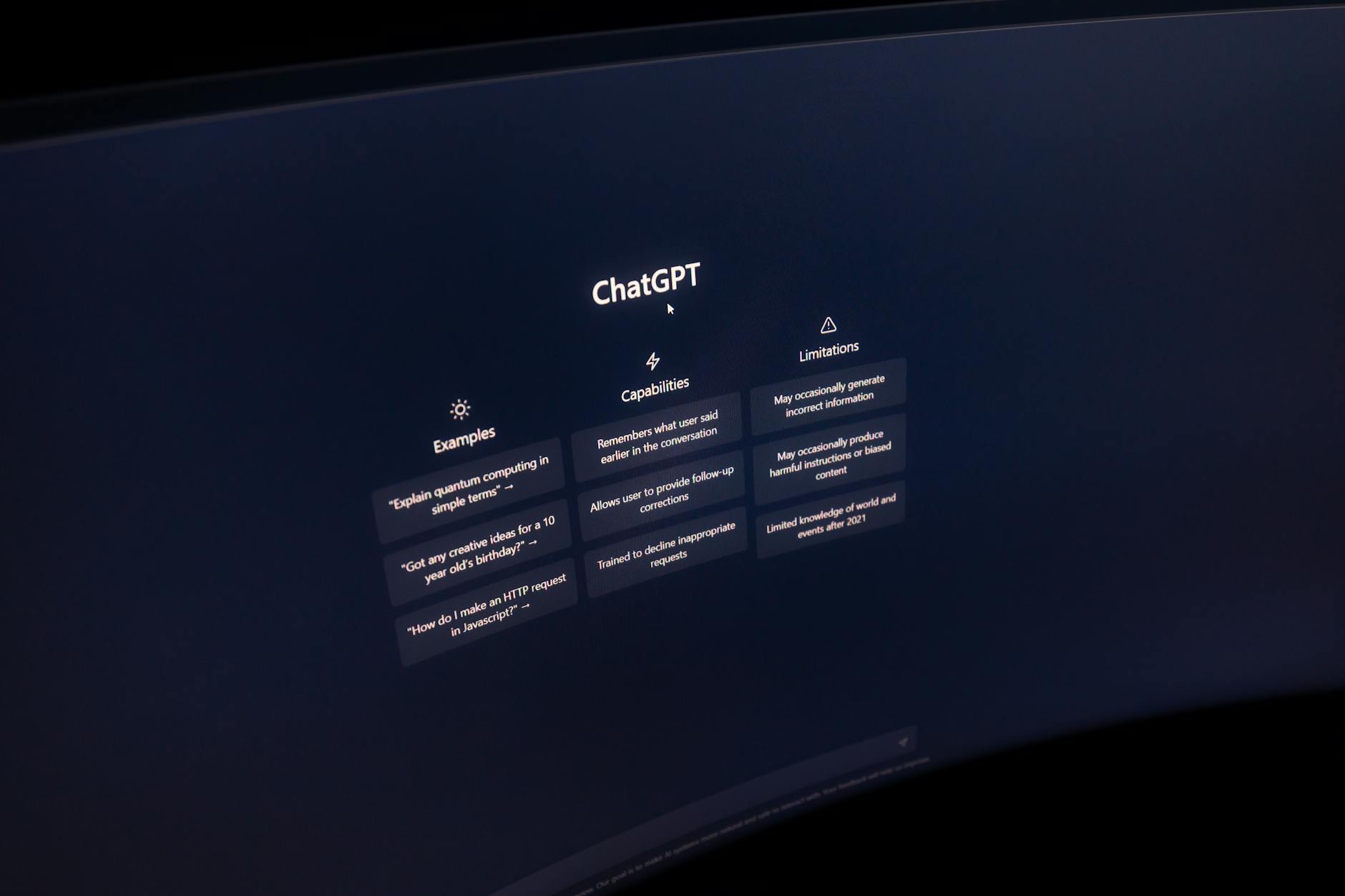
OpenAI, Google, and Anthropic have all published research acknowledging that “hallucination” - the technical term for a model generating plausible-sounding false information - remains an unsolved problem. But their consumer products increasingly present outputs with a tone that doesn’t reflect that acknowledgment. The disclaimer exists in the fine print. The UI design does not.
Short Memory, Long Confidence
What makes this worse is context length. As models have been extended to handle longer conversations and larger documents, their ability to track what they actually know versus what they’re inferring has not kept pace proportionally. A model summarizing a 200-page document can state something confidently in the summary that appears nowhere in the original text - not because it’s lying, but because it’s pattern-matching at a scale where it loses track of its own epistemic footing.
Nobody’s Fixing the Incentive Structure
The honest version of an AI assistant would say “I don’t have reliable information on this” more often than current products do. That version would score lower on satisfaction surveys and generate fewer glowing demos. So it doesn’t get shipped.
Until the industry finds a way to make epistemic honesty feel good to users - or until regulators start treating confident AI misinformation as a liability - the products will keep drifting toward useful-sounding over truthful.